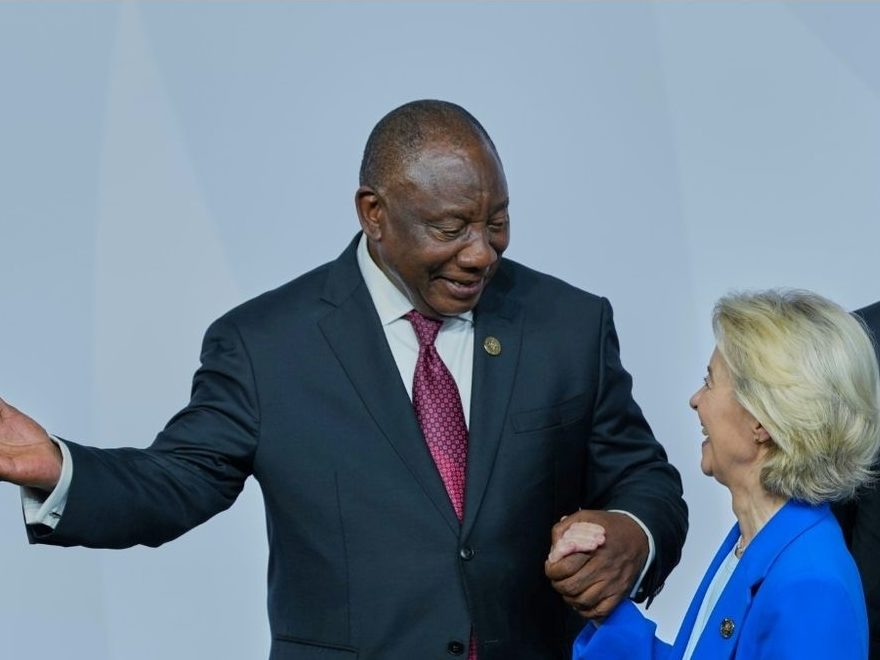
Johannesburg became the unlikely stage for a critical debate: can global cooperation survive in a world fracturing along geopolitical lines? Leaders from nineteen of the world’s largest economies, plus the European Union and the African Union, convened in South Africa, grappling with a stark reality – the foundations of international collaboration are showing significant strain.
The summit’s shadow was cast by a notable absence: the United States. President Trump’s administration opted to boycott the gathering, citing disagreements over trade, climate policy, and even unfounded claims regarding conditions within South Africa itself. This decision underscored a growing trend of nations prioritizing individual interests over collective action.
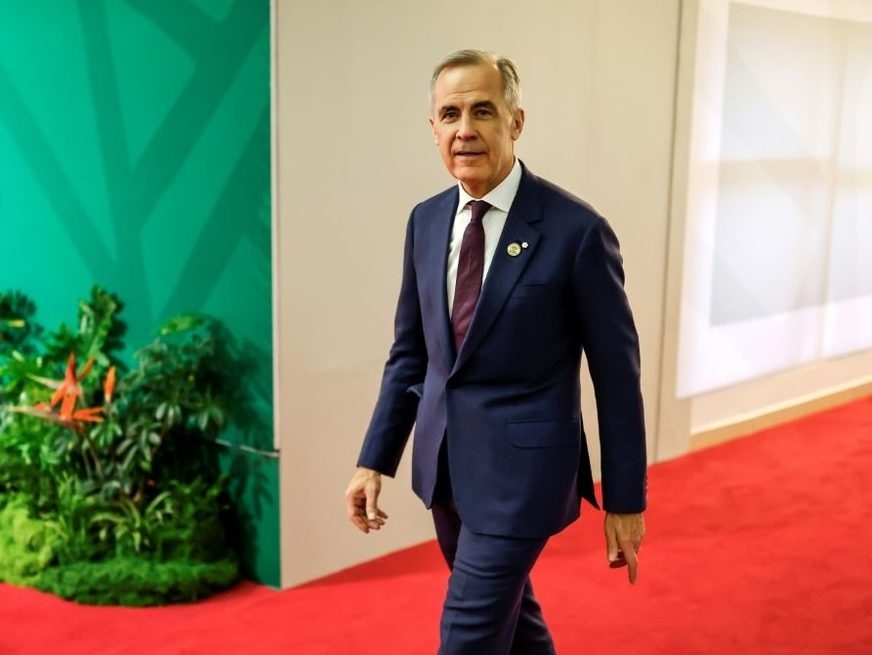
A sense of urgency permeated the discussions. Canadian Prime Minister Mark Carney bluntly described the current situation not as a mere transition, but a “rupture” in the global order. He warned against succumbing to nostalgia, emphasizing that rebuilding is the only viable path forward amidst increasing protectionism and the formation of exclusive geopolitical blocs.
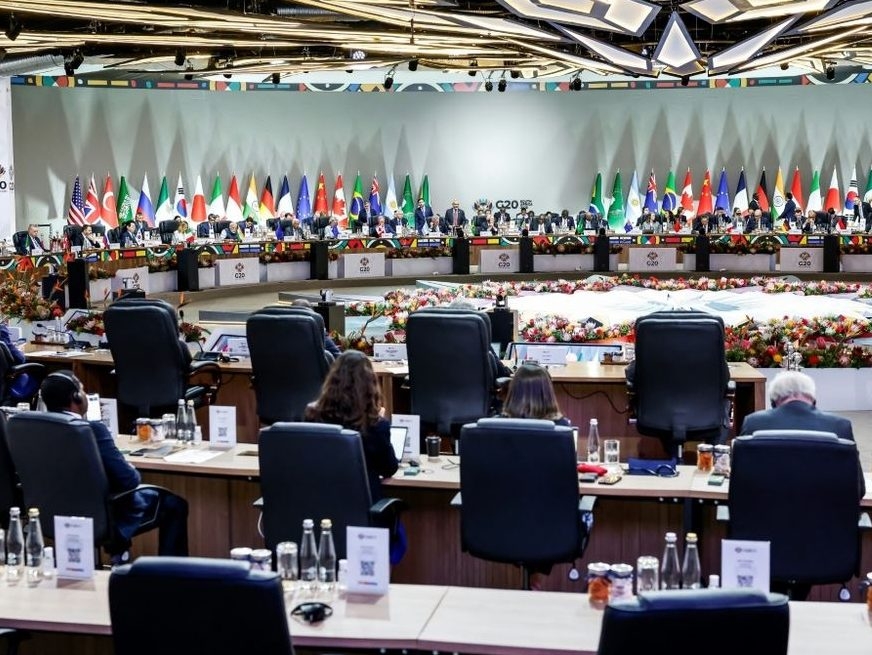
The G20’s very existence is being questioned. French President Emmanuel Macron suggested the organization may be reaching the end of an era, needing a renewed focus on core economic issues. The difficulty of finding common ground on pressing global conflicts – from Ukraine to Gaza – highlighted the growing chasm between nations.
Despite the US objections, a joint statement was issued, acknowledging “rising geopolitical and geo-economic competition,” “heightened conflicts,” and “deepening inequality.” South African President Cyril Ramaphosa, as host, affirmed the continued importance of “multilateralism,” even as the path forward remained unclear.
The G20 was born from the ashes of the 1997-98 Asian financial crisis, intended as a bulwark against global economic instability. Over time, its scope expanded to encompass climate change, health, and development. However, these broader concerns often exposed deep political divisions, hindering consensus.
The shifting global economic landscape adds another layer of complexity. The center of gravity is moving, demanding greater recognition of emerging economies and the perspectives of the Global South. This summit deliberately included more nations from these regions, a strategic move to mitigate the impact of the US absence.
Observers believe this summit may have offered a crucial lifeline to multilateralism. By actively engaging emerging powers and developing countries, the G20 demonstrated a capacity for adaptation and resilience. It was a bold attempt to breathe new life into a system facing unprecedented challenges.
The future of the G20, and indeed global cooperation, hangs in the balance. The coming year, with the US hosting the summit at a Florida golf club, will be a critical test of whether a fractured world can still find common ground for the sake of shared prosperity and security.