As Congress nears completion of the proposed P6.793-trillion national budget, a critical question looms: will reforms truly deliver transparency, or merely offer the illusion of it? Analysts are urgently calling for measures far beyond simply broadcasting the process online, warning that genuine accountability demands a fundamental shift in how the budget is crafted and scrutinized.
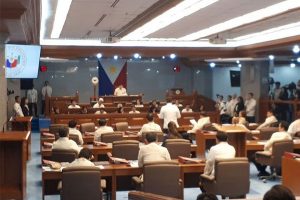
The call for deeper transparency arrives amidst a climate of heightened public concern, fueled by a growing scandal involving kickbacks in public works projects. This controversy has cast a stark light on the budget process, demanding a level of openness previously unseen. Initial steps, like the House’s subcommittee for amendments and the Senate’s livestreaming resolution, are viewed by experts as insufficient.
“Livestreaming is a start, but it’s not enough,” warns Ederson Tapia, a public administration professor. He advocates for the immediate publication of all proposed amendments *before* crucial bicameral conference committee meetings – the very stage where significant, often opaque, changes occur. This includes a detailed breakdown of proposed changes, the lawmakers championing them, voting records, and the overall financial impact.
Crucially, this information must be accessible in a machine-readable format, empowering civil society groups, researchers, and journalists to conduct thorough, independent analysis. Strict deadlines for release are also essential, preventing delays that effectively stifle scrutiny. The current atmosphere demands a level of detail previously considered inaccessible.
Beyond access to data, analysts emphasize the need for direct participation. Political science professor Anthony Borja argues that simply *watching* the process unfold online doesn’t equate to informed citizen engagement. He stresses the importance of allowing civil society representatives *inside* the bicam meetings, actively contributing to the discussion and challenging potential abuses.
Borja cautions against the danger of turning public concern into a mere spectacle, warning that true accountability requires the active involvement of independent voices and a firm rejection of any attempts to marginalize civil society’s role. The current power dynamics, he suggests, make self-regulation by the ruling elite unlikely.
The need for transparency extends far beyond the bicam stage, according to Joy Aceron, director of governance watchdog G-Watch. She argues that openness must be embedded throughout the entire budget cycle – from initial planning to final implementation. Focusing solely on the bicam risks allowing an “already flawed” budget to proceed unchecked, potentially lost to corruption during execution.
A promising development is the Senate’s decision to reduce unprogrammed funds in the 2026 budget. These allocations, often used as standby financing, are notoriously susceptible to misuse. Aceron points out that even programs shifted *from* unprogrammed funds can still be exploited for political gain without clear, development-focused objectives.
While the reduction in unprogrammed funds – slashed by P68.5 billion – is unlikely to disrupt ongoing projects, experts agree it limits flexibility for expansions and emergencies. However, they also caution that cutting these funds alone won’t eradicate corruption; the real vulnerabilities lie in procurement and implementation processes.
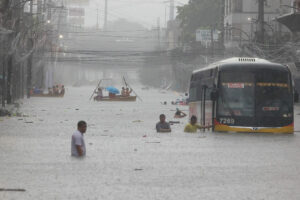
Recent revelations of questionable insertions in the 2025 budget, coupled with concerns over misused flood control funding, have intensified public scrutiny. Aceron urges stronger oversight mechanisms and closer collaboration with civil society to proactively deter abuse, shifting from reactive investigations to preventative measures.
The Senate’s commitment to posting all budget documents online, alongside the livestreaming of bicam meetings, represents a step forward. However, analysts insist on a formal role for civil society in budget monitoring, ensuring that programs genuinely address the needs of the most vulnerable and deliver tangible results.
With the proposed budget representing 22% of the nation’s economic output, and the Senate aiming for final passage by December 9th, the pressure is on. The coming weeks will determine whether these calls for deeper transparency are heeded, or if the promise of a more accountable budget process remains just beyond reach.