A storm of controversy erupted over Honduras’ presidential election as former President Donald Trump directly intervened, issuing a stark warning about potential interference with the vote count.
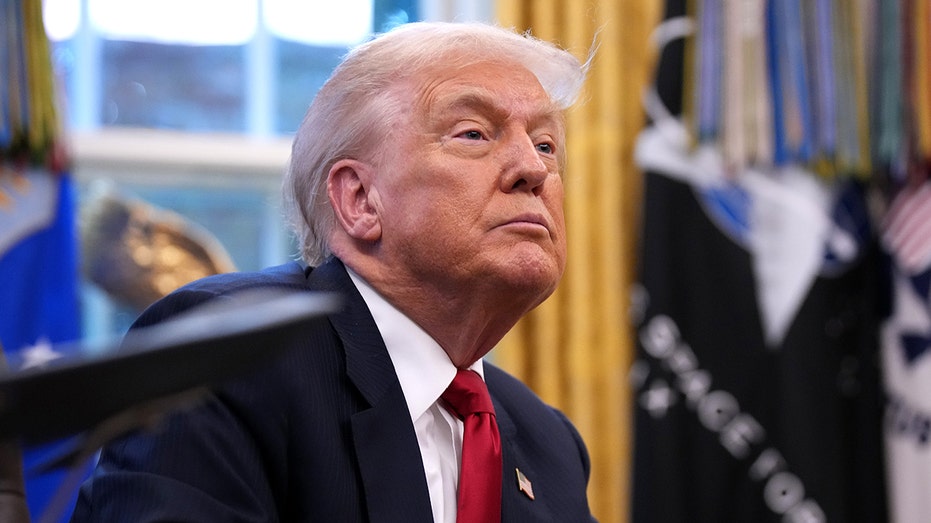
Trump, utilizing his Truth Social platform, vehemently accused Honduras of attempting to manipulate the results, claiming without providing evidence that officials were trying to alter the will of the people. His message was blunt: “If they do, there will be hell to pay!”
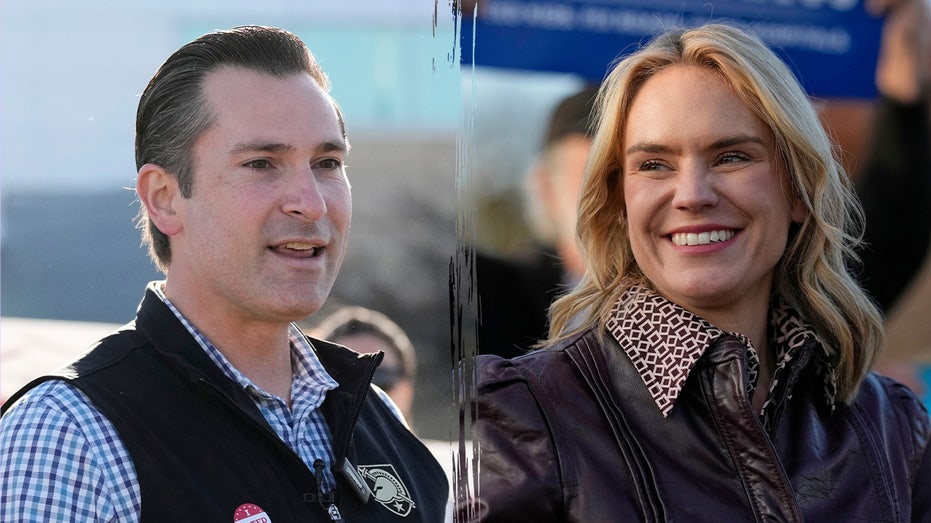
The situation unfolded as preliminary results, based on 57% of tallied votes, revealed a fiercely contested race between Nasry Asfura and Salvador Nasralla, both conservative contenders. Asfura held a precarious lead of mere hundreds of votes, while Rixi Moncada, representing a democratic socialist platform, lagged significantly behind.
Trump’s demand for a complete count resonated with urgency, emphasizing the importance of every Honduran voice being heard. He insisted, “Hundreds of thousands of Hondurans must have their Votes counted. Democracy must prevail!”
Adding to the tension, the National Electoral Council’s online system experienced disruptions, with portions becoming inaccessible shortly after the initial results were published. This technical pause fueled speculation and heightened anxieties surrounding the integrity of the process.
Prior to the system’s partial shutdown, Trump had publicly endorsed Asfura, declaring him the sole candidate his administration would collaborate with. He framed the election as a battle against “narco-communists,” promising U.S. support alongside his chosen candidate.
Both Asfura and Nasralla cautiously asserted their positions, interpreting the close tally as an indication of their impending victory, yet refrained from formally declaring themselves winners. The ambiguity only intensified the already charged atmosphere.
A particularly significant element complicating the election was Trump’s announcement of a potential pardon for former Honduran President Juan Orlando Hernández, currently serving a lengthy prison sentence in the United States. This promise underscored the powerful influence of U.S. politics on Honduras’ internal affairs.
Trump’s intervention injects considerable pressure into an already volatile post-election landscape. The ultimate outcome will not only determine Honduras’ political trajectory but also profoundly shape its future relationship with the United States.
The election’s result represents a pivotal moment for Honduras, potentially signaling a shift away from the current ruling party and setting the stage for a new era in its political and international alignment.