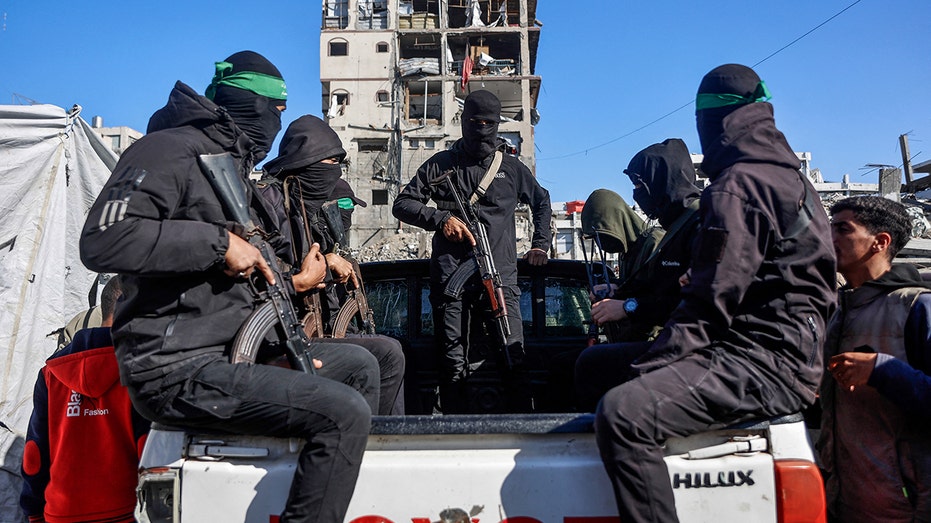
A fragile ceasefire in Gaza has inadvertently provided Hamas with a crucial opportunity to regroup and solidify its control, according to emerging Palestinian voices. While the world watches for peace, a small but determined number of Palestinian militias are quietly attempting to forge an alternative to Hamas’s rule within the enclave.
Shawqi Abu Nasira, a leader of one such emerging force, described the pause in fighting as a “kiss of life” for Hamas. He warns that the group is actively rebuilding its capabilities, reopening centers, and preparing for future conflict. The respite, he believes, has allowed Hamas to re-equip and strengthen its position.
Abu Nasira’s own journey to opposition began years ago with a devastating personal loss. Hamas killed his only son and publicly desecrated the body, a brutal act that irrevocably shattered his loyalty and fueled his resolve to fight against them. This tragedy solidified his decision to actively oppose the group’s authority.
Operating with a small band of fighters on the eastern side of Gaza, in territory now under Israeli military control, Abu Nasira was forced to flee Hamas’s reach. He now leads dozens of fighters, acknowledging their limited resources but emphasizing a widespread desire for change among the Gazan population.
The ceasefire has revealed a fractured landscape of militias, clan groups, and local networks gaining prominence as Hamas’s grip weakens. Groups like the Popular Forces in Rafah, the Popular Army in northern Gaza, and the Counter-Terrorism Strike Force in Khan Yunis are emerging, alongside powerful family-based networks like the al-Majayda and Doghmosh families.
These factions, though currently smaller than Hamas, are increasingly visible and actively challenging its dominance. Alliances are fluid, and structures vary, but a common thread unites them: opposition to Hamas and a shared experience of its brutality. Abu Nasira confirms these groups are in communication, recognizing each other as allies in a common struggle.
Early discussions are underway to unite these disparate groups under a single political umbrella, envisioning a “National Guard” for East Gaza. The goal is to coordinate efforts and present a unified front against Hamas, a force they believe can be overcome with the right support.
Abu Nasira insists that Palestinians themselves must lead the effort to remove Hamas from power. He believes a unified Palestinian force, backed by international assistance, could achieve victory within months. He dismisses fears of being labeled a collaborator, stating that opposing Hamas already carries the risk of execution.
He delivers a stark warning to the international community: the threat extends far beyond Gaza. Hamas, he argues, is part of a dangerous network encompassing the Muslim Brotherhood and Iran, posing a global threat to civilized society. He rejects long-term strategies that allow Hamas time to strengthen its position.
Despite the challenges, Abu Nasira remains resolute. He asserts that Palestinians are “ready” and “want to fight for our future,” believing that with international backing, a viable alternative to Hamas can be built, offering a path towards a more secure and hopeful future for Gaza.