The political landscape is bracing for a pivotal showdown in Tennessee, a state Republicans consider an impenetrable fortress. A special election for a vacant House seat is underway, and the outcome is being watched nationally as a crucial test of momentum following recent Democratic victories.
RNC chair Joe Gruters confidently asserts that Tennessee remains firmly within the Republican grasp. He frames the state as a “red wall,” predicting a GOP win and a swift return to strength heading into the 2026 midterms. This race, he insists, is on their home turf.
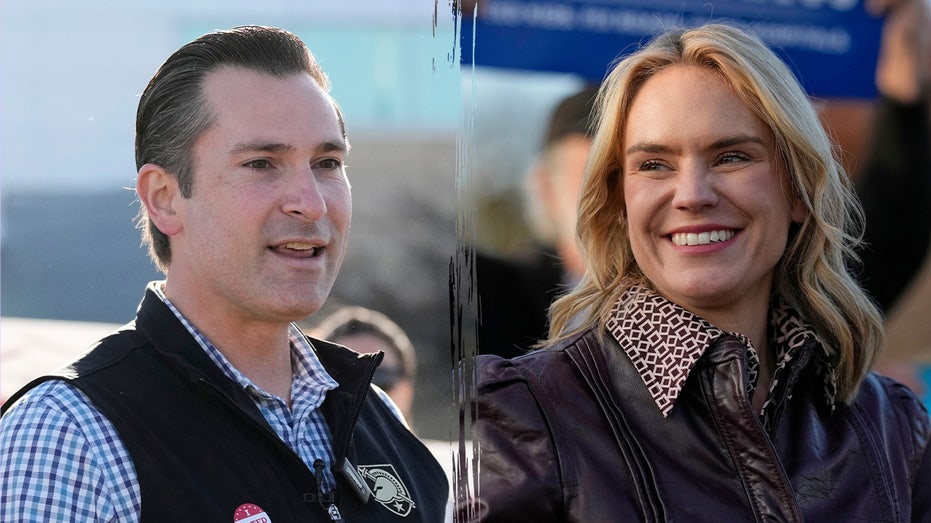
The contest pits Republican Matt Van Epps against Democrat Aftyn Behn, vying to fill the seat left vacant by former Rep. Mark Green. While the 7th Congressional District has historically favored Republican candidates – Donald Trump carried it by 22 points in the last presidential election – recent results have injected a surprising level of uncertainty.
Democrats, emboldened by successes in New Jersey, Virginia, and New York City, see an opening. Polls indicate a surprisingly tight race, prompting Republicans to pour resources into the campaign. The stakes are high, with the GOP’s already slim House majority hanging in the balance.
House Speaker Mike Johnson underscored the importance of the election, emphasizing that nothing can be taken for granted, even in a traditionally conservative district. He and Gruters actively campaigned alongside Van Epps, aiming to mobilize voters and secure a victory.
A dramatic moment unfolded at a rally when Johnson connected with Donald Trump via phone, allowing the former president to address the crowd for over four minutes. Trump declared the world was watching Tennessee, framing the election as a critical demonstration of Republican strength.
The support wasn’t limited to national figures. Tennessee’s Governor Bill Lee, Senators Marsha Blackburn and Bill Hagerty, and even rivals who competed against Van Epps in the primary, all rallied behind the GOP nominee. Van Epps, a combat veteran, expressed confidence in a decisive win.
However, the Democratic side is equally determined. Aftyn Behn, a state representative and community organizer, argues the race is far closer than Republicans anticipate. She’s focusing on the affordability crisis facing Tennesseans, a message resonating with voters.
Behn also received high-profile endorsements, including a virtual rally featuring Alexandria Ocasio-Cortez, Pramila Jayapal, LaTosha Brown, and Al Gore. Her campaign is challenging the narrative of a predictable Republican victory.
Republicans have launched attacks on Behn, highlighting past comments critical of Nashville’s tourist scene and an op-ed labeling Tennessee as a racist state. They portray her as a radical, out of touch with the district’s values.
Behn dismisses the attacks, framing them as distractions from the real issues. She maintains her focus on economic concerns and emphasizes her commitment to representing the needs of middle Tennessee families.
A Behn victory would not only be a stunning upset but would significantly weaken the GOP’s House majority, potentially opening the door for a Democratic takeover in the upcoming midterm elections. The outcome in Tennessee carries weight far beyond the state’s borders.
Elsewhere, in New Jersey, another political comeback attempt is unfolding. Disgraced former Governor Jim McGreevey is vying for the mayoralty of Jersey City, facing a challenge from a younger, progressive candidate. This race, like the one in Tennessee, signals a broader shift in the political landscape.


