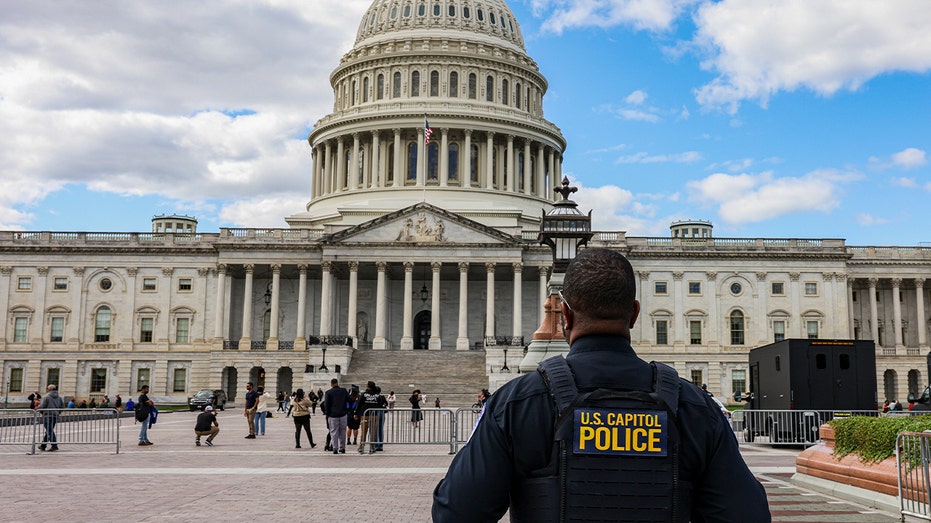
A quiet but urgent dialogue is unfolding within the halls of Congress, as lawmakers grapple with a growing concern: the personal safety of their colleagues. Discussions, spanning party lines, are focused on bolstering security measures for members of the House of Representatives.
House Minority Leader Hakeem Jeffries and Representative Joe Morelle initiated conversations with Speaker Mike Johnson and House Administration Committee Chair Bryan Steil, seeking collaborative solutions to an increasingly volatile landscape. These discussions aren’t about grandstanding; they’re about a pragmatic response to a very real and escalating threat.
One key proposal centers around expanding the Law Enforcement Coordination Program. The idea is to provide dedicated funding for each member to employ a security-focused staffer – someone with a background in law enforcement or the military, capable of conducting thorough threat assessments and acting as a direct liaison with police agencies.
Beyond dedicated staff, lawmakers are exploring the possibility of providing security professionals to accompany them during official duties. This would extend protection beyond the Capitol building, recognizing that threats often materialize in members’ districts and communities.
This push for enhanced security comes on the heels of a significant financial commitment. Members now have access to a $20,000 monthly allowance specifically earmarked for security measures, a substantial increase from previous pilot programs.
A new mobile distress system is also being rolled out, offering a direct line to assistance in emergency situations. This system, overseen by the House Sergeant-at-Arms, aims to provide a rapid response capability when members feel vulnerable.
The current allowance covers services like personal accompaniment and residential security, offering a layer of protection at members’ homes. However, a crucial stipulation remains: security personnel funded through this program are prohibited from entering the Capitol building or its grounds.
The program’s evolution reflects a growing sense of urgency. It began as a limited pilot, offering $5,000 per month, then increased to $10,000 in September before becoming a permanent fixture with the recent $20,000 allocation.
These developments underscore a fundamental shift in how lawmakers perceive and address their personal security. The conversations happening behind closed doors reveal a shared understanding that protecting elected officials is no longer a matter of routine precaution, but a critical necessity.