A cherished childhood icon has become the unlikely centerpiece of a political firestorm. Franklin the Turtle, the gentle protagonist of a beloved Canadian book series, has been reimagined in a jarring and controversial image shared by a U.S. Defence Secretary.
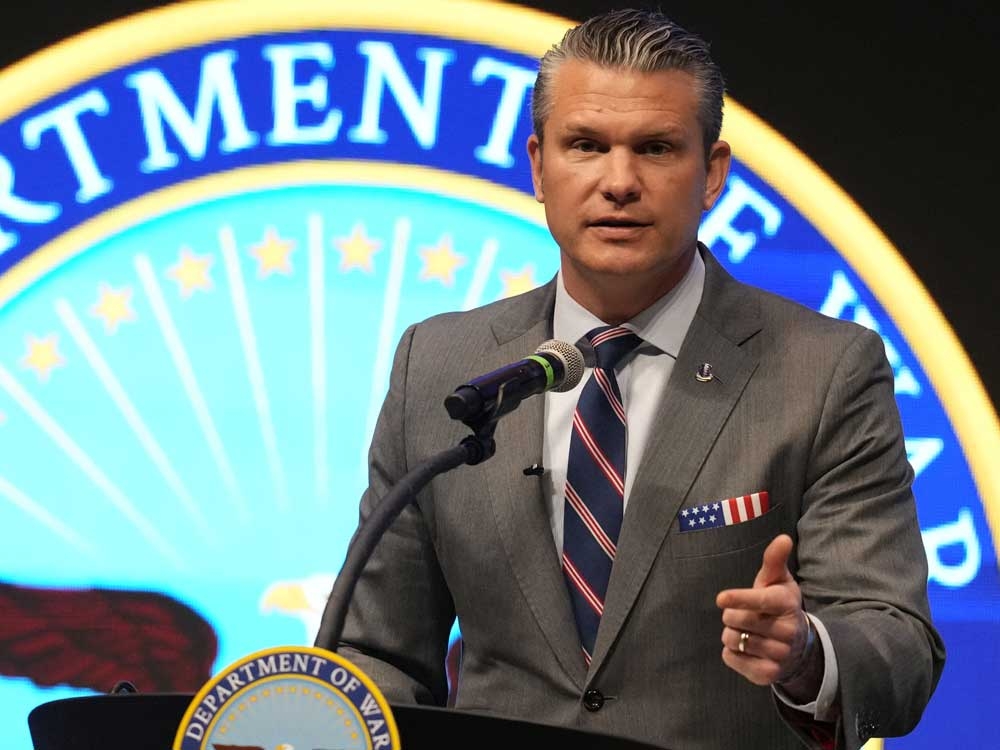
The image, posted online, depicts Franklin clad in military gear, wielding a bazooka from a helicopter. He’s aimed at boats overflowing with packages and armed figures – a stark departure from the turtle’s traditionally peaceful adventures. The caption, a flippant “For your Christmas wish list,” adds a layer of unsettling irony.
This provocative depiction appears to allude to recent U.S. military actions targeting suspected drug trafficking vessels in Caribbean and Pacific waters. These operations have resulted in casualties, raising questions about the methods and justifications employed.
The publisher of the Franklin books, Kids Can Press, swiftly and unequivocally condemned the unauthorized use of their character. They emphasized that Franklin represents kindness, empathy, and inclusivity – values fundamentally opposed to violence and aggression.
In a powerful statement, the publisher declared their strong disapproval of any portrayal that “denigrates” or “violently” misrepresents Franklin’s image. They underscored the direct contradiction between the character’s core principles and the aggressive scene presented.
The online response was immediate and widespread. Users quickly generated their own satirical images, transforming the friendly tortoise into a border patrol agent and a member of the national guard, further amplifying the debate.
Created by Canadian author Paulette Bourgeois and illustrator Brenda Clark, the Franklin series has captivated generations of readers. With over 65 million copies sold and translations into 38 languages, Franklin’s global reach is undeniable.
The incident highlights the potent symbolism of childhood characters and the ease with which they can be co-opted for political messaging. It raises uncomfortable questions about the normalization of violence and the impact of such imagery on young minds.
Beyond the immediate controversy, the situation underscores the complex relationship between entertainment, politics, and public perception. A beloved symbol of innocence has been thrust into a debate with serious real-world implications.