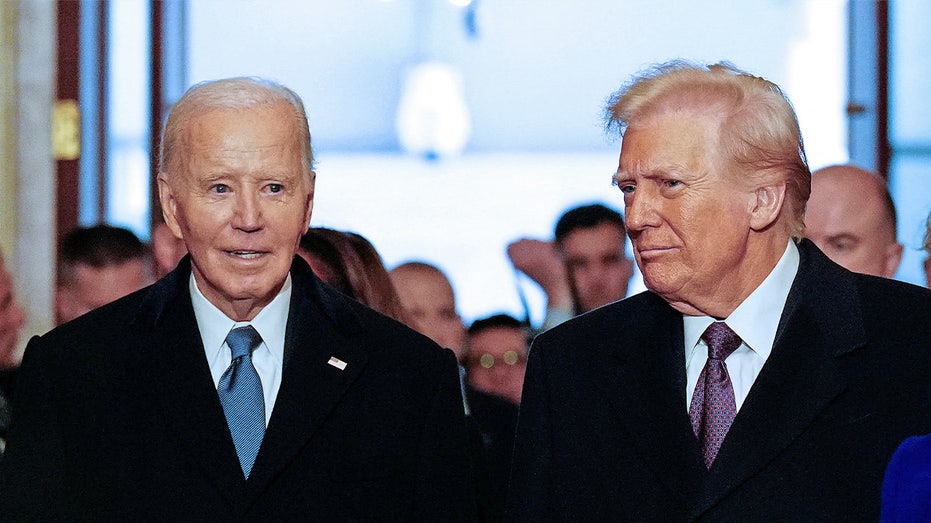
The release of President Trump’s recent MRI results ignited a firestorm of scrutiny, focusing attention on the health of a 79-year-old commander-in-chief. But this intense examination feels strikingly different from just a short time ago, a period when similar concerns surrounding a previous president were met with a notable silence.
The contrast is sharp. Four years prior, as Joe Biden led the nation from the Oval Office – at an age that would later become a focal point – questions about his health largely went unanswered by the media. This silence persisted even after Biden concluded his term and exited the White House in January 2025.
The current scrutiny of Trump’s health began to escalate following photographs circulating in July 2025, depicting swollen legs at a public event. Earlier images, dating back to February, showed bruising on his hand, further fueling speculation. The administration consistently characterized these concerns as politically motivated.
The latest wave of attention centered on an MRI scan conducted during a routine checkup at Walter Reed National Military Medical Center. Trump’s physician declared the results normal and affirmed the president’s “exceptional health.” The White House swiftly condemned what it labeled “garbage narratives” propagated by certain media outlets.
A spokesperson for the administration pointedly accused the media of having previously downplayed what they described as Joe Biden’s “severe mental health decline” during his time in office. The narrative painted a picture of a double standard, with Trump facing intense scrutiny while Biden’s health was largely shielded from critical examination.
The shift in media focus comes after a period of increasing concern surrounding Biden’s cognitive abilities. These concerns reached a critical point in February 2024, when a special counsel report, while declining to pursue criminal charges, described Biden as an “elderly man with a poor memory.”
Conservatives seized on the report, citing increasingly frequent public missteps – mumbled remarks, falls, and moments of apparent disorientation – as evidence of a decline. Biden himself vehemently denied any cognitive impairment, dismissing reports to the contrary as inaccurate.
The media’s questioning of the White House intensified throughout 2024, culminating in a particularly fraught period leading up to Biden’s unexpected withdrawal from the presidential race in July. The decision came amid mounting anxieties about his ability to effectively lead the country.
Even after leaving office, revelations continued to emerge. The Biden team disclosed that the former president had been undergoing treatment for advanced prostate cancer, a condition undetected during his time in the Oval Office. Trump also criticized his predecessor’s alleged use of an autopen to sign official documents.
The perceived lack of transparency surrounding Biden’s health was openly acknowledged during the White House Correspondents' Dinner in April, where a reporter publicly criticized both the Biden administration and the media for a “cover-up.” He admitted the media had missed crucial aspects of the story, contributing to a decline in public trust.
The current focus on Trump’s health, therefore, exists within a complex context – a backdrop of past scrutiny, perceived double standards, and a lingering sense of unanswered questions surrounding the health of the previous occupant of the Oval Office. It’s a situation that underscores the intense public interest in the well-being of those who lead the nation.


