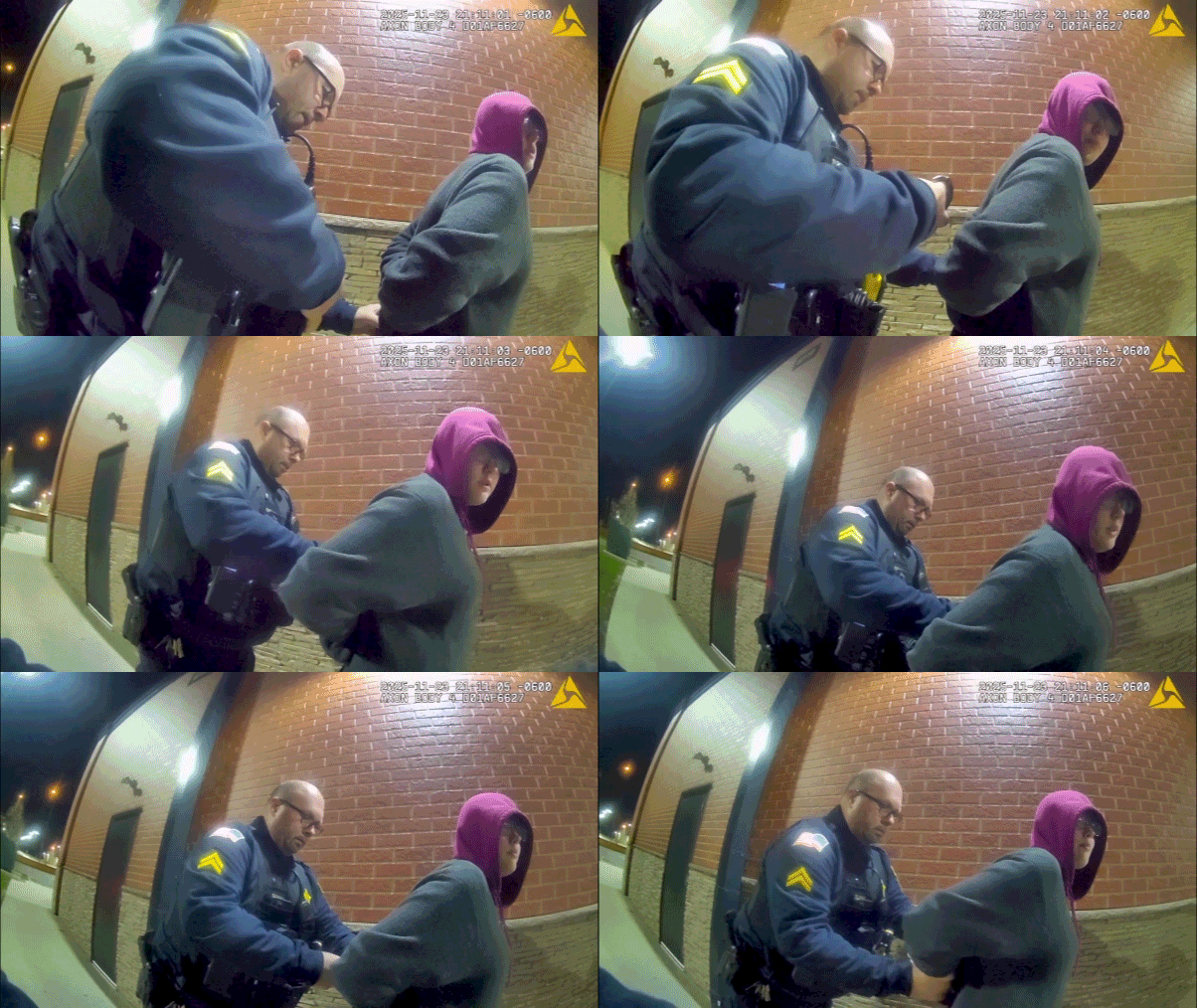
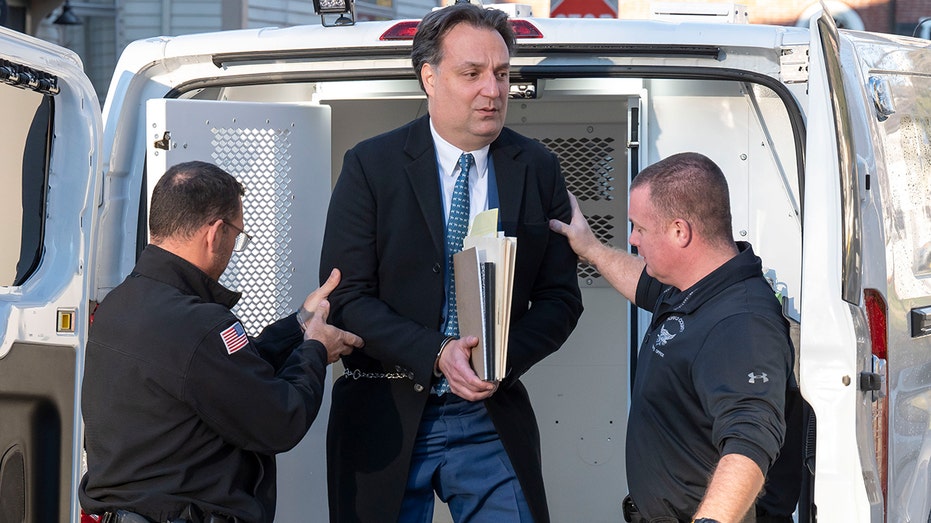
A former president, once condemned to 45 years behind bars for orchestrating a massive cocaine pipeline into the United States, has walked free. Juan Orlando Hernandez, the ex-leader of Honduras, was released after a surprising pardon granted by former President Donald Trump, abruptly ending his four-year imprisonment.
Hernandez’s arrest in February 2022 sent shockwaves through the region. He was convicted in a New York courtroom of accepting millions in bribes to ensure the safe passage of an astonishing 400 tons of cocaine northward, fueling the drug trade that ravaged communities across America. Throughout the legal battle, Hernandez vehemently maintained his innocence, claiming he was targeted by the very drug traffickers he had worked to extradite.
The pardon ignited immediate controversy. Trump defended his decision, stating he believed Hernandez had been unfairly targeted, suggesting a politically motivated setup orchestrated by the Biden administration. He claimed to have reviewed the facts and sided with those who believed Hernandez was wrongly accused, a narrative that resonated with some within Honduras.

This isn’t an isolated case. Trump recently pardoned Ross Ulbricht, the creator of the Silk Road, a notorious dark web marketplace that facilitated over $200 million in illicit transactions using cryptocurrency. Ulbricht, sentenced to life in prison in 2015 for money laundering, computer hacking, and drug trafficking conspiracy, received the pardon following a conversation between Trump and Ulbricht’s mother.
Trump framed the Ulbricht pardon as a gesture of support for the Libertarian Movement, which had strongly backed his campaigns, and leveled accusations against those who prosecuted Ulbricht, claiming they were part of a broader effort to undermine him. He described Ulbricht’s sentence as “ridiculous,” highlighting the severity of the punishment.
These pardons arrive at a particularly tense moment, as the United States intensifies its efforts to combat drug trafficking in the Caribbean. A significant military buildup is underway, with warships, including the massive USS Gerald R Ford aircraft carrier, deployed to intercept drug shipments and disrupt criminal networks.

Operation Southern Spear, led by General Dan Caine, represents a concerted attempt to stem the flow of narcotics into the country. However, the strategy raises complex questions, with potential for escalating military intervention, even air strikes, targeting Venezuela, which the Trump administration blames for contributing to the crisis.
Recent U.S. military actions have already proven deadly. Strikes against suspected “narco boats” in Venezuelan waters have resulted in numerous fatalities, sparking international concern and accusations of violating international law. Reports suggest these operations have claimed the lives of at least 76 individuals, raising serious legal and ethical dilemmas.
The situation underscores the delicate balance between combating drug trafficking and respecting national sovereignty, a challenge that continues to define the U.S. approach to the ongoing crisis in the Caribbean.