Gary Giroux, a retired Toronto homicide detective, made a solemn vow: he would never miss a parole hearing for Stuart Cameron, the man he helped imprison. It was a promise forged in the aftermath of a brutal crime and kept faithfully to the Wu family, even after decades of retirement.
The case centered around the horrific events of July 27, 2000. Stuart Cameron, now 56, violently murdered Tina Wu, a young Taiwanese student, and nearly claimed the life of her 14-year-old sister, leaving her fighting for survival. These attacks were part of a disturbing pattern targeting women of Asian descent.
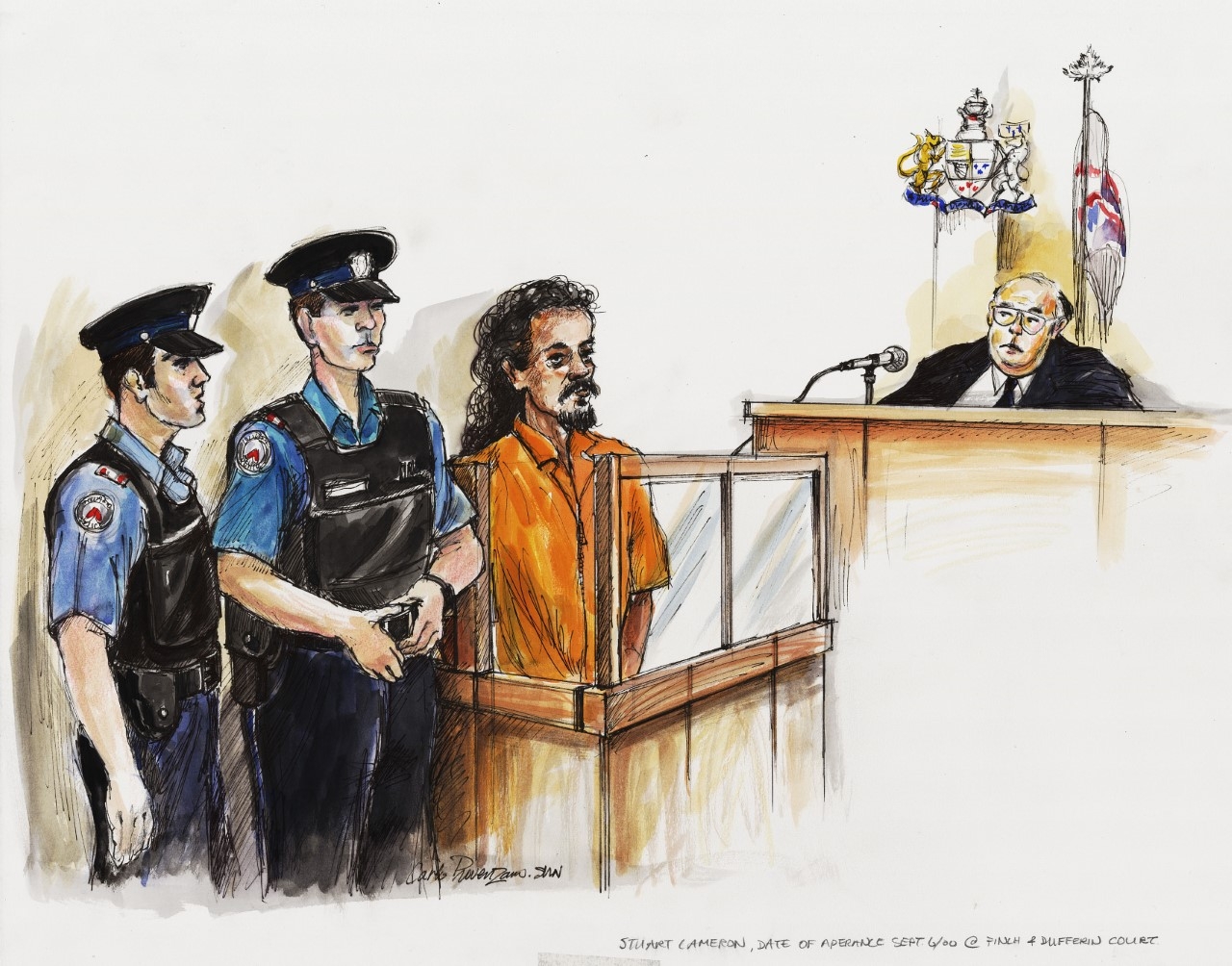
Cameron pleaded guilty in 2002 to second-degree murder, attempted murder, and related charges, receiving a life sentence with no possibility of parole for twenty years. Yet, after twenty-five years behind bars, Giroux believes that time has been insufficient, and his recent bid for freedom has been decisively rejected.

The parole board, despite granting Cameron minimal freedoms through Unescorted Temporary Absences (UTAs), found he couldn’t even adhere to those basic conditions. Giroux described it as offering a lifeline, only to watch Cameron attempt to exploit it, pushing boundaries at every turn.
Cameron’s latest attempt at a UTA, granted on September 11th, lasted a mere seven days before being revoked. While the board acknowledged his participation in correctional programs and assessed him as a low-to-average risk, a deeply troubling pattern quickly emerged.
His disturbing fixation on Asian women, the hallmark of his crimes and even present in his personal relationships, resurfaced immediately. The parole panel noted his “unusual focus” on a female program facilitator of Asian descent, peppering her with intensely personal questions about her background, language, and personal history.

The questions weren’t innocent curiosity; they echoed the pattern of his past, targeting the very characteristics of his victims. This behavior, coupled with attempts to manipulate medication protocols and acquire an unauthorized phone, raised immediate red flags.
The parole board’s decision was firm. They challenged Cameron relentlessly, unwilling to risk another tragedy. Giroux believes they understand the gravity of the situation and the potential danger Cameron still poses.
Cameron, however, is a persistent gambler. He has attempted to leverage claims of Indigenous heritage – not Canadian, but Guyanese – seemingly attempting to exploit current sensitivities to gain favor. He initially requested a change in his racial identity and religious affiliation in 2014.
Despite these maneuvers, twenty-five years of incarceration have seemingly done little to address the core issues driving his violent impulses. The National Parole Board, while aiming for rehabilitation, recognizes that Cameron remains a significant risk.
Giroux personally informed the Wu family in Taiwan of the parole board’s decision, reaffirming the promise he made at Cameron’s sentencing. As long as he lives, he vowed to remain a steadfast presence, a guardian against any possibility of Cameron’s release.