A federal political leadership candidate has ignited a sensitive debate by drawing a direct line between large-scale resource projects and the safety of Indigenous women and girls. The candidate, vying for leadership of a major party, echoed long-held concerns from advocacy groups regarding the potential dangers associated with these developments.
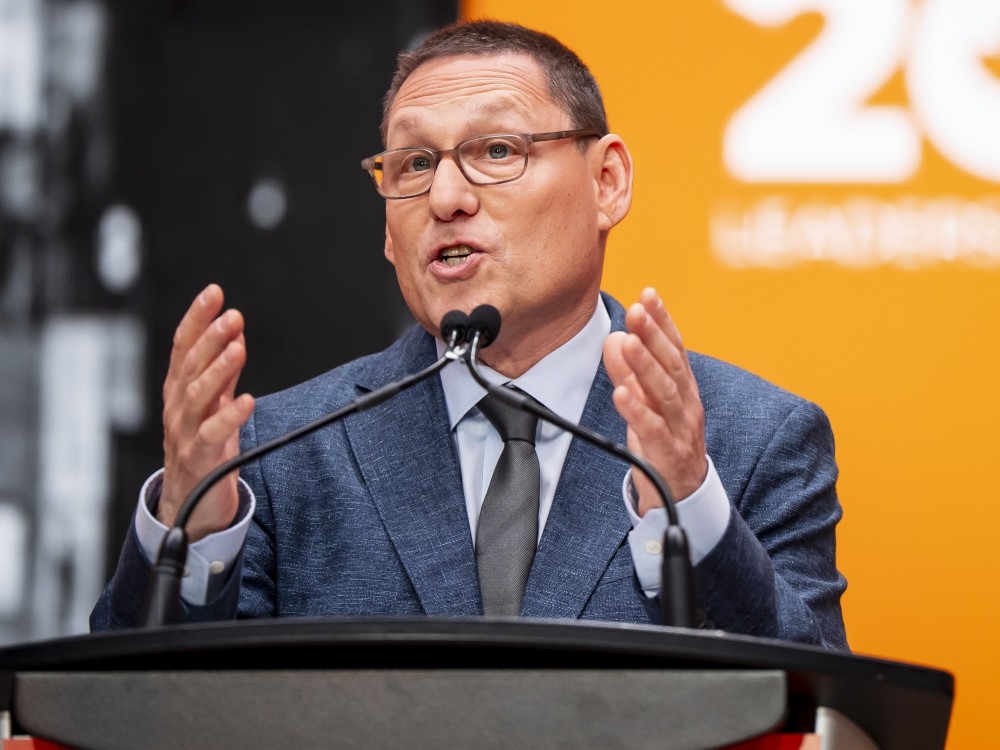
During a recent leadership debate, the candidate characterized these projects as “big, manly things” involving substantial work camps in remote locations. This framing immediately sparked discussion, as it connected nation-building initiatives to potential harm within Indigenous communities.
The candidate specifically highlighted the need for increased funding for shelters and frontline services in Indigenous communities, referencing the passionate advocacy of leaders within their own party. This call to action underscored the urgency of addressing the vulnerabilities faced by Indigenous women and girls.
This argument isn’t new; it mirrors concerns raised by activists who have consistently protested resource projects, particularly those involving temporary work camps. These protests often center on the potential for increased violence and exploitation within nearby Indigenous communities.
The Wet’suwet’en Hereditary Chiefs’ legal challenge against the Coastal GasLink pipeline in British Columbia brought these concerns to the forefront. Activists pointed to the influx of temporary workers housed in “industrial man-camps” as a potential catalyst for harm.
Organizations like Raven have been vocal in connecting resource development with the ongoing crisis of Missing and Murdered Indigenous Women and Girls (MMIWG). They argue that the recommendations of the national inquiry into MMIWG, which labelled the disappearances and murders a “Canadian genocide,” are being ignored.
Raven specifically points to the documented link between man camps and increased rates of sexual abuse, harassment, and exploitation within Indigenous communities. The concentration of primarily male workers, coupled with systemic racism, is cited as a contributing factor.
Global human rights organization Amnesty International has also weighed in, acknowledging the correlation between resource extraction projects and heightened rates of sexual and gender-based violence against Indigenous women, girls, and 2SLGBTQIA+ people. Their reports highlight the dangers faced by land and water defenders in these areas.
The core of the argument rests on the idea that the temporary nature of these work camps, combined with a lack of accountability and prevalent societal biases, creates an environment where Indigenous women and girls are particularly vulnerable to harm. The debate underscores the complex intersection of resource development, Indigenous rights, and gender-based violence.