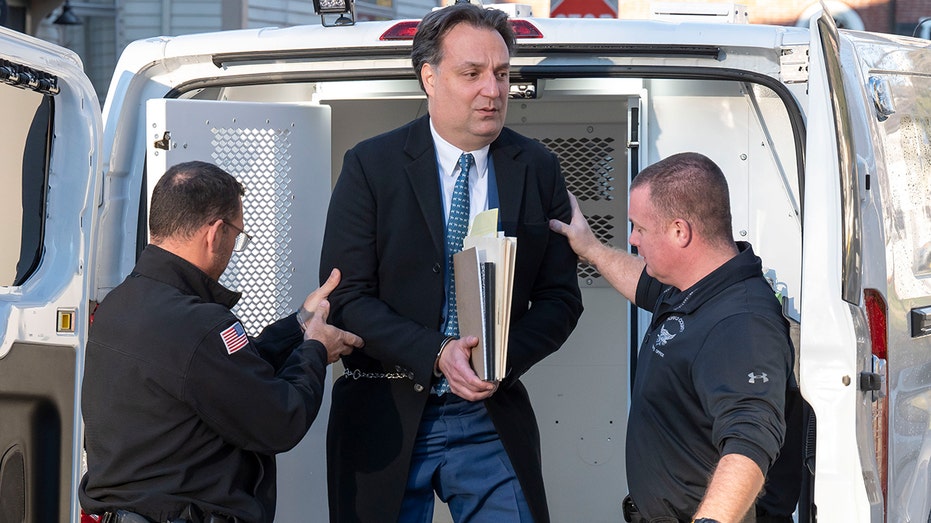
The courtroom will once again be the focal point as Brian Walshe, 50, returns for the second day of his murder trial. He stands accused in the disappearance and presumed death of his wife, Ana Walshe, a case that has gripped Massachusetts and beyond.
The prosecution’s case hinges on a disturbing trail of digital evidence. A state trooper testified to a series of chilling internet searches conducted on Walshe’s devices after Ana vanished – searches detailing methods for disposing of human remains and meticulously cleaning up crime scenes.
Walshe’s defense, led by Larry Tipton, presents a starkly different narrative. Tipton claims Walshe discovered his wife already deceased in their bed, denying any involvement in her death. He argues a “sudden, unexplained death” occurred, a tragic event that, according to the defense, “happens.”
Central to the prosecution’s theory is the alleged affair Ana was having with a man in Washington, D.C. However, the defense attempts to narrow the significance of the internet searches, suggesting they demonstrate awareness of a name, not necessarily knowledge of a romantic relationship. This distinction, they argue, weakens the motive for murder.
Walshe has already admitted guilt to lesser charges – misleading police and the unlawful conveyance of human remains. These pleas acknowledge involvement in the aftermath of Ana’s disappearance, but fall short of admitting to the act of killing her.
Sergeant Harrison Schmidt of the Cohasset Police Department is expected to return to the stand. Prosecutors intend to continue questioning him and present further excerpts from his interviews with Walshe, conducted before the arrest. These recordings offer a chilling glimpse into Walshe’s demeanor as his wife remained missing.
Recordings played on Monday revealed Walshe calmly speaking with detectives, even as his three children intermittently interrupted. Despite Ana’s disappearance, he professed his love and devotion, stating he “wanted to spend the rest of [his] life with [his] wife.”
Digital forensics expert Trooper Nicholas Guarino detailed the extent of Walshe’s online activity. For days, he allegedly researched not only the man Ana was allegedly seeing, but also the grim logistics of dismemberment, cleanup, and the destruction of evidence.
The searches weren’t limited to disposal methods. Walshe reportedly investigated how long DNA lasts and, disturbingly, “Is it possible to clean DNA off a knife?” His online inquiries extended to legal matters, searching “How long someone missing until inheritance.”
Prior to Ana’s disappearance, Walshe’s search history also reveals inquiries about divorce lawyers, hinting at potential marital discord. Guarino’s testimony paints a picture of a man consumed by a desperate and calculated search for information.
Guarino’s expertise was previously utilized in another high-profile Massachusetts case, involving Karen Read and the death of John O’Keefe. While Read was acquitted of homicide charges, Guarino’s analysis of text messages proved crucial in that trial.
Prosecutors are presenting two potential motives: the alleged affair and Walshe’s desire to avoid prison. He faced a potential sentence related to a prior federal art fraud conviction, and prosecutors suggest Ana’s absence would have positioned him as the sole caretaker of their children, potentially influencing the court’s decision.
The stakes are incredibly high. If convicted of Ana Walshe’s murder, Brian Walshe faces the possibility of life in prison without parole. Yet, despite the mounting evidence, Ana’s remains remain undiscovered, a haunting reality that continues to fuel the investigation and the trial.