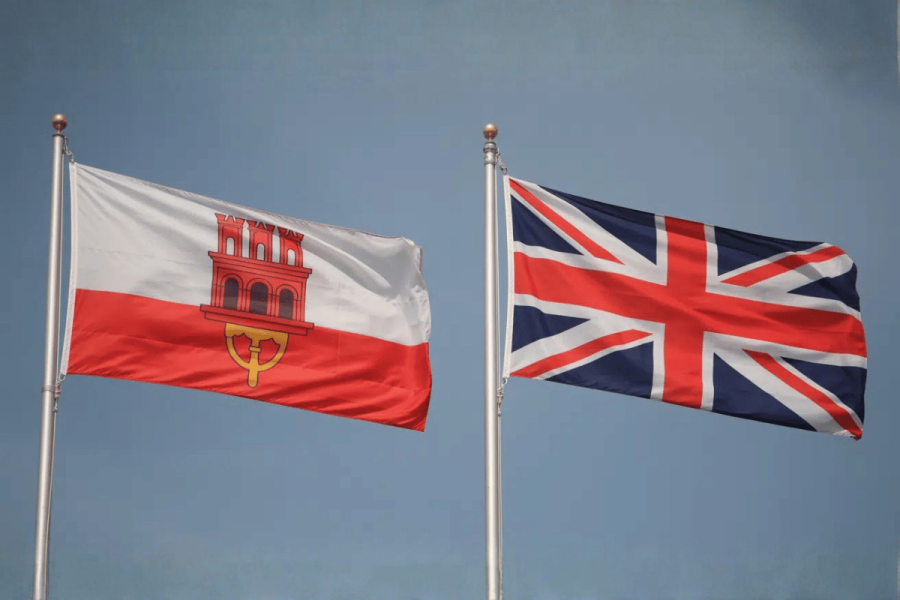
A shadow of financial concern has fallen over Gibraltar, a self-governing territory on Spain’s southern coast, stemming from a recent decision across the border in the United Kingdom. The UK’s Autumn Budget, announced last November, includes significant increases to gambling taxes, and the implications for Gibraltar’s economy are now causing considerable unease.
For decades, Gibraltar has cultivated a reputation as a leading international hub for online betting and gaming. This sector isn’t merely a part of Gibraltar’s economy; it’s a cornerstone, a source of pride, and a vital contributor to the territory’s public services. The new UK policies threaten to disrupt this carefully built success.
The core of the issue lies in the dual-regulation of many Gibraltar-based gaming businesses. These companies operate under both Gibraltarian and UK regulatory frameworks, paying taxes in both jurisdictions. The UK’s plan to raise remote gaming duty to 40 percent – a substantial jump from the current 21 percent, effective April 2026 – coupled with a new 25 percent general betting duty starting in 2027, introduces a significant cost increase.
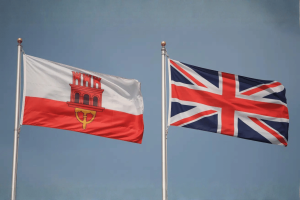
These increased taxes aren’t simply a matter of bottom-line profit; they represent a top-line tax levied on revenue. This distinction is crucial, as it directly impacts the funds available to Gibraltar for essential public services like healthcare and education. The territory has been actively pursuing corporate tax reform, a “National Tax Strategy” designed to bolster public finances without increasing the burden on residents.
The extent of the financial impact on Gibraltar remains uncertain, hinging on the ability of local operators to absorb or mitigate the increased costs. If businesses are forced to reduce their operations, or worse, cut jobs, the consequences will be felt directly in the form of reduced PAYE receipts – income tax paid by employees.
Gibraltar’s government wasn’t silent in the face of these proposed changes. Months were spent lobbying officials in the United Kingdom, clearly articulating the potential repercussions of the tax increases. Despite these efforts, the budget was enacted, leaving Gibraltar to navigate the challenges ahead and safeguard its economic future.
The situation presents a complex challenge, demanding careful consideration and strategic responses to protect Gibraltar’s vital gaming sector and the public services it supports. The coming years will be critical in determining how effectively the territory can weather this financial storm.