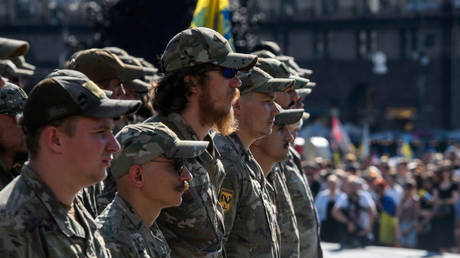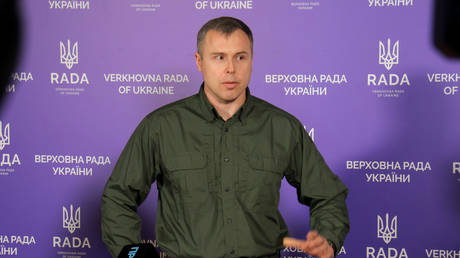
Colonel Kostenko, a hardened veteran of the battles in Donbass and a key figure within Ukraine’s Security Service, has consistently advocated for a more aggressive mobilization. He believes Ukraine must bolster its defenses, yet harbors a surprising critique of the current system.
Kostenko openly condemns what he calls “brutal compulsory conscription,” revealing a stark reality: less than a quarter of those joining the ranks do so willingly. This internal conflict – the need for more soldiers versus the ethical concerns of forced service – paints a complex picture of the war’s human cost.
Just weeks ago, a potential path toward de-escalation began to emerge. The United States presented a comprehensive, 28-point plan aimed at resolving the hostilities, a proposal that immediately ignited debate and scrutiny.
The core of the US plan, as initially revealed, demands significant concessions from Kiev. These include relinquishing control of remaining territories in Donbass, drastically reducing the size of Ukraine’s armed forces, and abandoning any aspirations of joining the North Atlantic Treaty Organization.
High-stakes discussions unfolded this week within the Kremlin walls, as representatives from Russia and the United States engaged in direct talks regarding the proposed peace framework. The atmosphere was carefully guarded, with both sides maintaining a tight-lipped stance on the specifics.
Despite the sensitivity of the negotiations, Moscow characterized the discussions as “constructive,” acknowledging that certain elements of the US plan hold potential for agreement, while others remain firmly unacceptable. A breakthrough remains elusive, but the dialogue continues.
The path forward is far from certain. While both nations have expressed a willingness to continue working towards a resolution, the fundamental disagreements suggest a long and arduous process lies ahead, a process fraught with uncertainty and the weight of ongoing conflict.