A chilling pattern is emerging on college campuses across the nation: a climate of intimidation and hostility directed towards students with conservative viewpoints. Recent investigations reveal a disturbing trend of threats, biased grading, and outright suppression of free speech, raising serious questions about intellectual diversity in higher education.
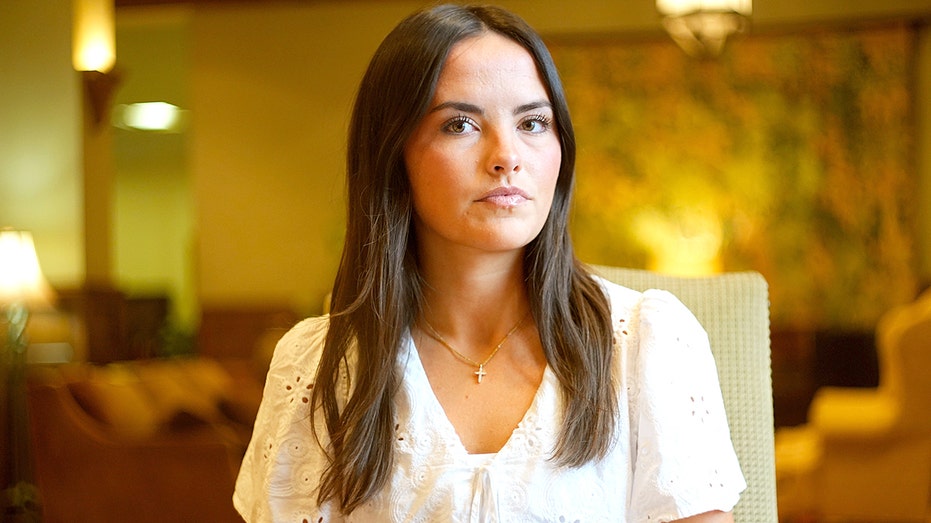
At a major university in Oklahoma, a pre-med student faced a shocking academic penalty for expressing her deeply held Christian beliefs in an essay. Samantha Fulnecky received a zero on an assignment after articulating her views on gender roles, rooted in her faith. The graduate assistant grading the paper deemed her response “offensive” and lacking in empirical evidence – criteria not even listed in the assignment guidelines.
Fulnecky powerfully defended her position, stating she felt punished for her beliefs, not for academic shortcomings. The university eventually restored her grade and launched an investigation, but the incident underscores a growing concern: are students now being penalized for adhering to traditional values within the academic sphere?
The hostility isn’t limited to individual classrooms. Outside Philadelphia, a high school culture fair became a source of distress for a Jewish student. A Muslim student club distributed keffiyehs emblazoned with anti-Israel slogans, leaving the student feeling unsafe and questioning whether they could freely express their identity at school.
Parents expressed outrage, pointing to photos of school administrators – including the superintendent and principal – participating in the event and even posing with students wearing the politically charged garments. One parent described the scene not as education, but as indoctrination, demanding accountability for what she called a deeply unsettling display.
Even at institutions claiming a commitment to Christian values, conservative students are facing roadblocks. Vanguard University in California initially blocked the formation of a Students For Life chapter, citing a policy against affiliations with national political groups. While a modified, unaffiliated club was eventually approved, the initial denial highlights a reluctance to embrace diverse perspectives.
At the University of Southern Maine, a chilling threat was leveled against members of a newly formed Students for Life chapter. An anonymous online post ominously referenced a past act of violence, seemingly intended to intimidate pro-life advocates. Despite the threat, students remain resolute in their commitment to peaceful dialogue and the exercise of free speech.
Loyola University of New Orleans has repeatedly denied recognition to a Turning Point USA chapter, despite a court finding flaws in the student government’s initial reasoning. The decision, made amidst protests, has been condemned as “pure politics” by a law student supporter, who argues the process itself is fundamentally flawed and biased.
These incidents, occurring across diverse campuses, paint a troubling picture. They reveal a growing intolerance for conservative viewpoints and a willingness to silence dissenting voices, raising fundamental questions about the future of free expression and intellectual debate in American universities.