The future of Somalia hung in the balance at the recent Doha Forum, as global leaders grappled with the critical need for unified international support. The African Union Support and Stabilisation Mission in Somalia (AUSSOM) took center stage, representing a pivotal moment in the nation’s long journey toward stability.
AUSSOM, a successor to the previous AU mission, officially launched in January, tasked with a monumental undertaking: transferring full security responsibility to Somali forces by the end of 2029. This isn’t simply a military operation; it’s a complex, multidimensional effort focused on stabilization, security, and the very foundations of state-building.
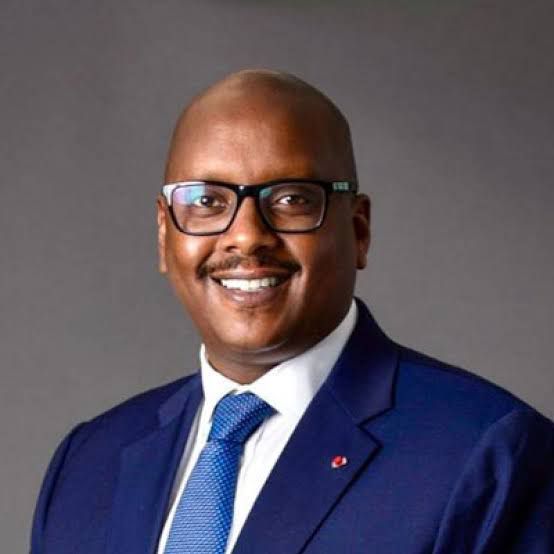
Ambassador El Hadji Ibrahima Diene, head of AUSSOM, emphasized a crucial point – the mission must build upon existing progress, not disrupt it. He passionately advocated for predictable, sustainable, and coordinated international assistance, meticulously aligned with Somalia’s own national security plans.
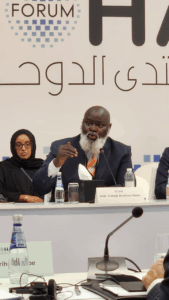
The mission’s success, however, hinges on more than just good intentions. Ambassador Diene detailed essential capabilities: aviation support, medical evacuation, expertise in countering improvised explosive devices, engineering units, and vital intelligence gathering. These aren’t luxuries, but necessities for reinforcing Somali-led operations and securing newly liberated territories.
The urgency of the situation was underscored by the presence of high-level officials, including Somalia’s President Hassan Sheikh Mohamud and ministers from Egypt and the European Union. The discussions weren’t theoretical; they addressed a growing concern – the sustainability of AUSSOM’s funding.
A stark warning came from the United States, urging European and African partners to shoulder a greater share of the financial burden. Senator Jim Risch articulated a sentiment gaining traction: the current system unfairly places the weight of responsibility on American taxpayers.
This concern has fueled legislative action, with the proposed AUSSOM Funding Restriction Act aiming to enhance transparency and accountability. The bill seeks to halt US contributions until the UN and AU demonstrate responsible management of existing funds, a clear signal of the need for equitable burden-sharing.
The debate isn’t about abandoning Somalia, but about ensuring a sustainable path forward. The Doha Forum served as a powerful reminder that AUSSOM’s success isn’t solely an African responsibility, but a shared global one.
Ambassador Diene’s message resonated throughout the forum: Somalia’s hard-won gains must be protected. He implored international partners to deepen cooperation and fully align with Somali-led initiatives, recognizing that lasting peace requires a unified and committed approach.
The discussions in Doha represent a critical juncture for Somalia. They underscore the immense stakes involved and the collective responsibility to secure a future of peace, stability, and self-reliance for a nation striving to overcome decades of conflict.