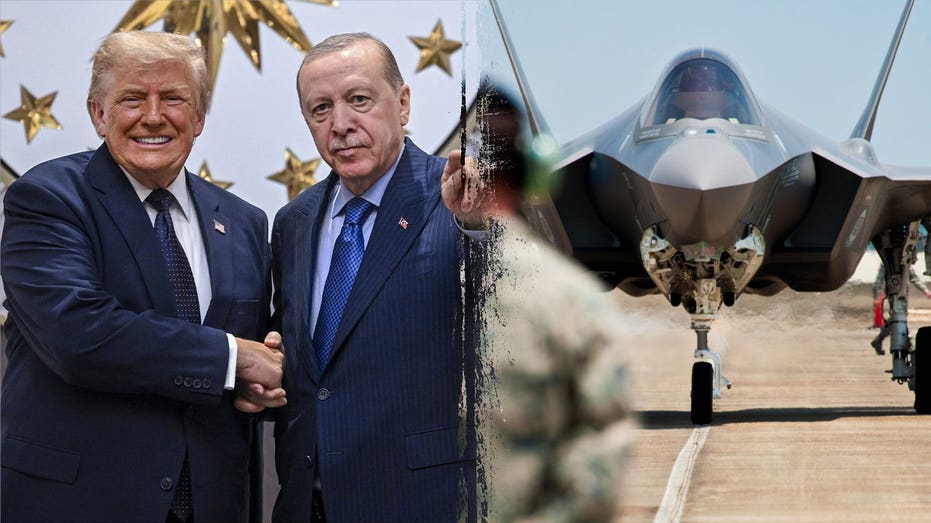
The dispute over a potential weapons sale to Turkey has far-reaching implications that extend beyond a single transaction. As a crucial NATO ally, Turkey's strategic location between Europe and the Middle East makes it a vital partner, but its ties to Russia and Hamas have raised concerns in Washington about its trustworthiness with sensitive military technology.
The outcome of this dispute will test the strength of the personal relationship between the US and Turkish leaders, as well as the ability of Congress and national security concerns to influence the decision. The US has emphasized the importance of Turkey as a NATO ally, encouraging Ankara to resolve pending issues and engage in a multifaceted relationship.
Experts believe that the US leader's position on the sale reflects his trust in the Turkish leader and their cooperation on regional security issues. The two leaders have worked together on various security matters, from Libya to Syria, and the US leader is aware of the significance of this sale to Turkey and its potential to prevent Ankara from turning to Russia or China for weapons.
Turkey's removal from the F-35 development program in 2019, following its purchase of the S-400 from Russia, has created a significant obstacle to the sale. The US has imposed sanctions on Turkey under the Countering America's Adversaries Through Sanctions Act, citing concerns that operating the Russian system alongside the F-35 could compromise the stealth aircraft's sensitive information.
Experts argue that Turkey would need to relinquish the S-400 system to be reconsidered for the F-35 program. One possible solution is a third-country transfer of the S-400, which could meet the legal and technical requirements. However, Turkey would also need to provide guarantees that it would not seek major Russian military equipment or maintain ties that could compromise the aircraft.
The United Arab Emirates has been suggested as a potential destination for the S-400, but there is no confirmation that Abu Dhabi would accept it. The UAE would need to consider the potential risks of acquiring the Russian system, including triggering US penalties or jeopardizing access to other American weapons.
Resolving the S-400 dispute is not the only hurdle to the sale, as Turkey's relationship with Hamas, its ties to Russia, and its use of Chinese telecommunications technology are also significant concerns. The US has warned that Hamas continues to use financial channels operating from Turkish territory, which remains a concern and a potential obstacle to the sale.
The US has emphasized that Turkey remains legally ineligible for the F-35 program, but has credited Turkey with supporting US diplomatic efforts involving Russia and Ukraine, Azerbaijan and Armenia, Gaza, and counter-ISIS operations. The US has also warned that Hamas' use of informal financial networks and unlicensed exchange houses in Turkey to access funds remains a concern.
Congress is likely to be the most significant obstacle to the sale, as lawmakers have prohibited the transfer while Turkey possesses the S-400. A bipartisan group of lawmakers has urged congressional leaders to block any sale under current conditions, citing concerns about Turkey's relationship with Hamas and its potential impact on regional security.
The issue also has regional implications, with Israel reportedly pressing the US not to provide Turkey with the aircraft, amid fears that a sale could weaken Israel's qualitative military edge. For now, the US has made it clear that the Turkish leader must first surrender the Russian system that caused Turkey's expulsion from the program before any sale can proceed.