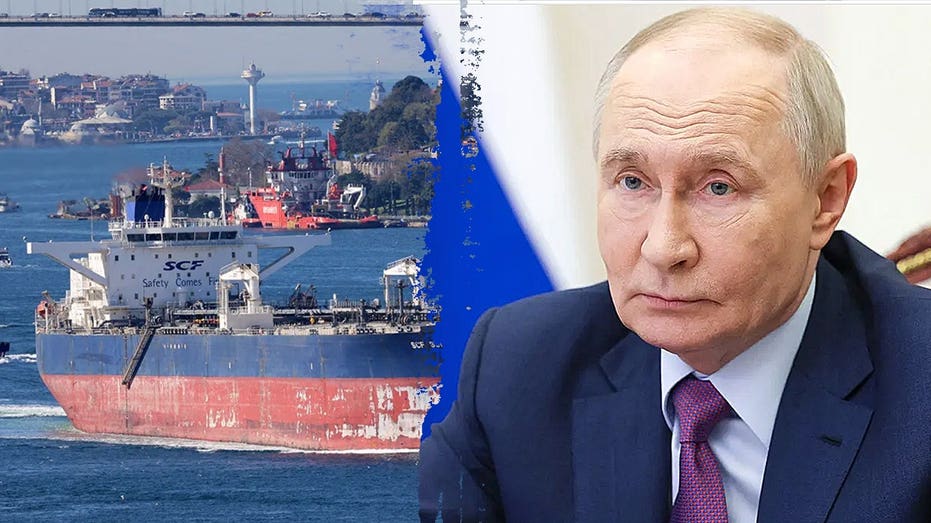
European Union nations continue to purchase significant volumes of Russian liquefied natural gas (LNG) despite heightened defense spending and sanctions aimed at weakening the Kremlin.
Commercial shipping data reveal that 136 of the 140 cargoes exported from Russia’s Yamal LNG project between January and June 2026 were delivered to ports within the EU.
The shipments, valued at roughly €5.96 billion based on European gas price benchmarks, underscore a persistent revenue stream for Russia as the war in Ukraine proceeds.
French ports received the largest share with 51 cargoes, followed by Belgium with 37 and Spain with 34, reflecting the distribution of deliveries rather than the ultimate end‑users.
China, previously expected to be a major market for Yamal LNG, imported only four cargoes during the same period.
EU legislation mandates a phased ban on Russian gas: long‑term LNG contracts are prohibited from 1 January 2027, and pipeline gas contracts end on 30 September 2027.
While pipeline imports have sharply declined since 2022, LNG imports remain a notable component of Europe’s energy mix.
Officials attribute the continued imports to front‑loaded deliveries and contractual adjustments made ahead of stricter restrictions.
Market disruptions, such as the closure of the Strait of Hormuz, have prompted European buyers to secure additional LNG supplies, sometimes retaining cargoes within the EU market.
The ongoing flow of Russian LNG revenue highlights the strategic challenge of reducing energy dependence while maintaining supply stability for consumers.
Recent EU sanctions target Russia’s military‑industrial sector and aim to curb energy earnings by tightening controls on the shadow fleet that transports Russian oil.
Spain, a major importer of Russian LNG, faces debate over the 2027 phase‑out, with some industry voices warning of over‑reliance on U.S. gas, while government officials maintain that recent import increases are temporary.
U.S. leaders have criticized Europe’s reliance on Russian fuel, noting that expenditures on Russian oil and gas exceed contributions to Ukraine’s defense.
The United States, as the world’s largest producer and exporter of oil and natural gas, has positioned itself as a primary alternative supplier for Europe.
Legislative proposals in the United States seek to impose secondary sanctions on countries that continue purchasing Russian energy, aiming to increase pressure on Moscow.