
For the past year, Intel’s laptop processors have felt… fractured. The Core Ultra Series 2 branding was a confusing mix of architectures, leaving many wondering what they were actually getting. But at CES 2026, something shifted. Intel appears to have found its footing with the Core Ultra Series 3, codenamed Panther Lake, and it looks poised to genuinely compete with AMD and Qualcomm.
This isn’t just about new chips; it’s about a renewed sense of confidence at Intel. After outsourcing CPU manufacturing last generation, Intel is back to building its own processors. A significant deal with Nvidia and a substantial investment from the US government further signal a turning point for the company, suggesting it’s far from a spent force in the tech world.
Early impressions of Panther Lake are promising, though full benchmarks are still to come. What’s immediately striking is the potential for a true balance of power and efficiency – something that’s been elusive in recent Intel offerings.
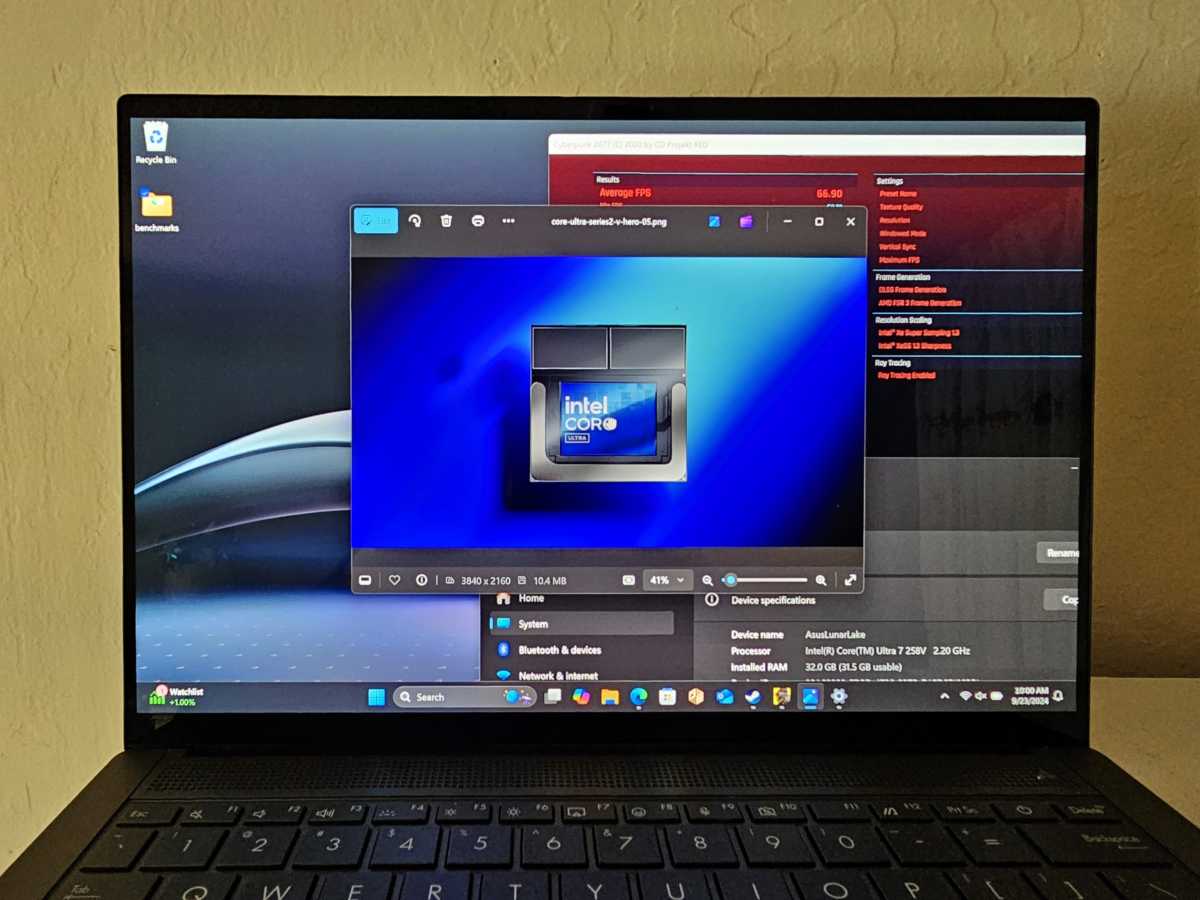
Lunar Lake, while innovative with its onboard memory and dedicated AI engine, stumbled with multithreaded performance. Reviewers consistently found themselves gravitating towards Arrow Lake or Meteor Lake for raw power, despite their drawbacks in battery life and heat. Panther Lake aims to solve this dilemma.
Intel claims Panther Lake delivers over 50% better multithreaded performance than both Lunar Lake and Meteor Lake, while simultaneously reducing power consumption by 10%. Crucially, it’s targeting performance levels comparable to Arrow Lake, offering a compelling combination previously unavailable.
The improvements don’t stop at the CPU. Intel’s integrated graphics have been steadily improving, and the new Arc B390 iGPU in Panther Lake is being positioned as a rival to Nvidia’s RTX 4000-series discrete cards. Initial benchmarks suggest it’s remarkably close to that goal.
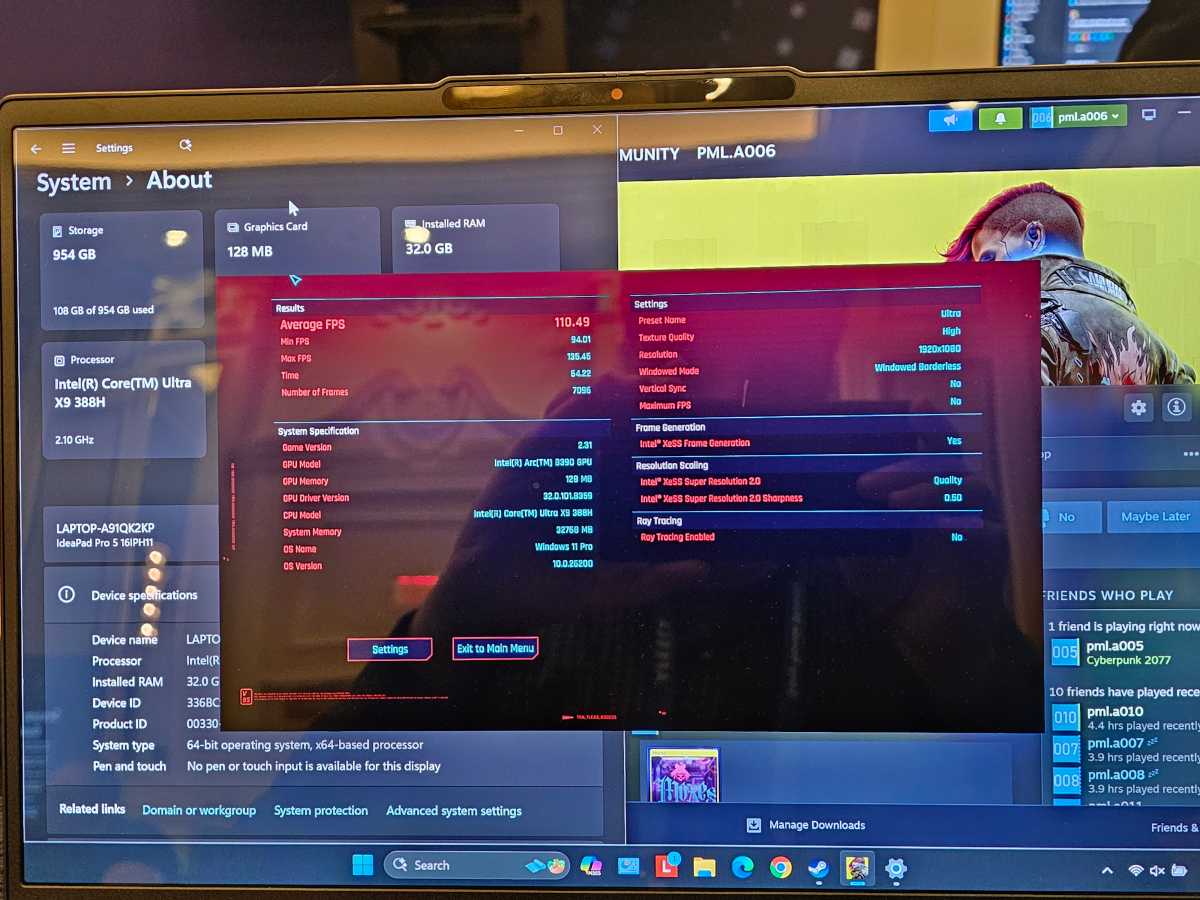
Lunar Lake showcased impressive integrated graphics, but its CPU limitations held it back. Panther Lake finally pairs a top-tier iGPU with a powerful CPU, opening the door to surprisingly capable gaming experiences without the need for a dedicated graphics card – a prospect that generated considerable excitement at CES.
Intel is also setting its sights on the handheld gaming market, traditionally dominated by AMD. A pointed remark from an Intel executive at CES – accusing AMD of relying on “ancient silicon” – underscored their ambition. Custom Panther Lake hardware tailored for handhelds could be a game-changer.
The NPU, or Neural Processing Unit, is another area where Intel is catching up. Microsoft’s Copilot+ PC requirements demanded an NPU with at least 40 TOPS of performance, a benchmark Intel previously struggled to meet. Lunar Lake and now Panther Lake finally clear that hurdle, bringing Intel laptops into alignment with Microsoft’s vision.
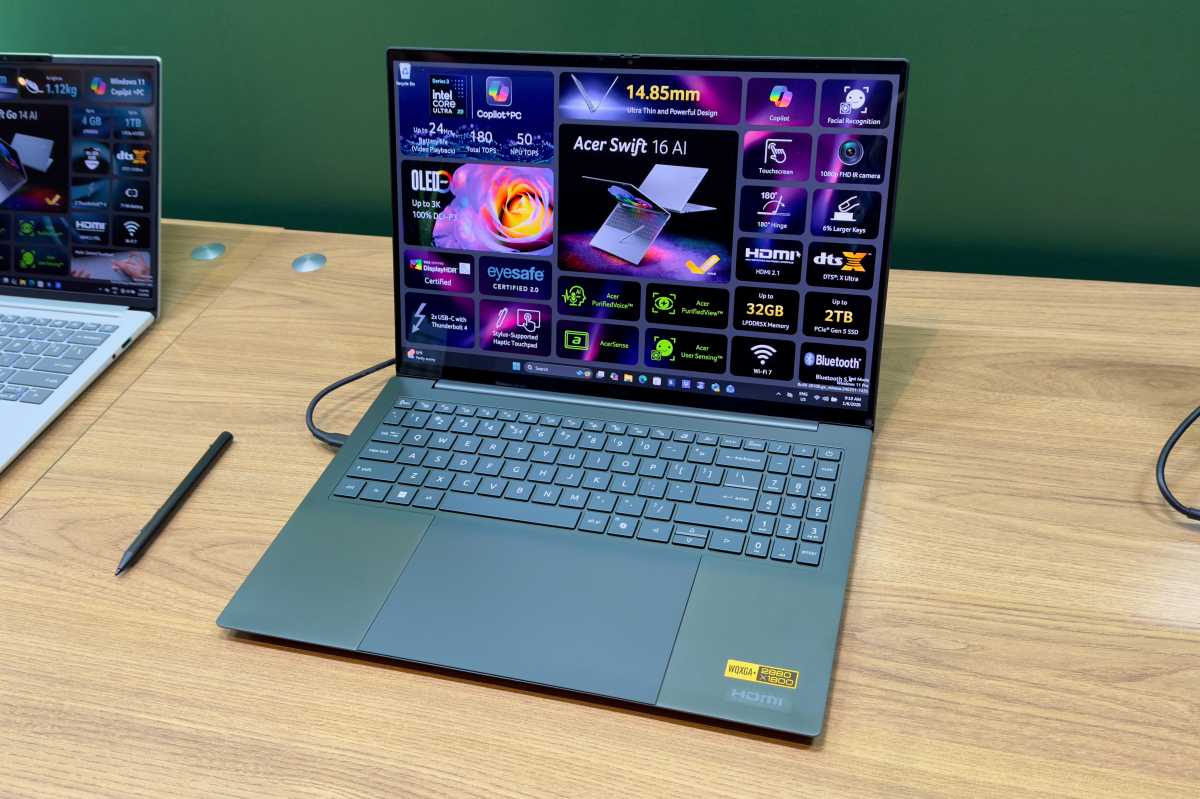
For a long time, Intel’s NPUs lagged behind the competition. While the hype around AI features may be cooling, Intel’s ability to deliver on Microsoft’s specifications is a significant step forward.
A pivotal shift for Intel is its renewed commitment to in-house manufacturing. The decision to outsource Lunar Lake to TSMC raised concerns about the company’s long-term strategy. Intel even considered abandoning its own fabrication processes altogether.
A US government investment appears to have bolstered Intel’s confidence, and the company is now enthusiastically investing in its 18A manufacturing process. Panther Lake is the first product built on this process, marking a return to self-reliance and a rejection of earlier, more drastic plans.
However, a lingering question remains: will the “Core Ultra Series 3” branding retain its meaning? Last year’s “Core Ultra Series 2” became diluted with the release of chips from different architectures. The risk of a similar situation unfolding with Series 3 is real.
Despite this concern, Intel’s overall trajectory is undeniably positive. They’re combining performance with efficiency, delivering powerful integrated graphics, controlling their own manufacturing, and abandoning previous uncertainties. The promise of Panther Lake is compelling, and increased competition is always a win for consumers.


