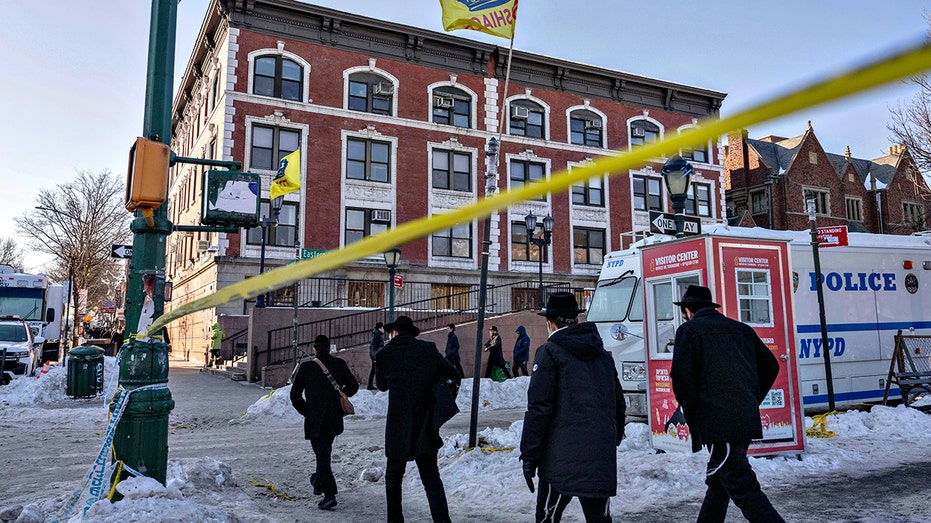
A chilling paradox emerged in New York City this January: while overall crime plummeted to historic lows, antisemitic incidents exploded, creating a climate of fear within the Jewish community.
Police data revealed a near tripling of antisemitic incidents, soaring from 11 in January of the previous year to a deeply unsettling 31 this year – an increase of 182%. This surge wasn’t isolated; these acts of hate comprised over half of all reported hate crimes in the city during the month.
The atmosphere of anxiety is palpable, according to community leaders. Reports range from the defacement of a children’s playground with swastikas to a deliberate vehicle ramming targeting the Chabad headquarters in Crown Heights, leaving residents on edge and fearful for their safety.
This dramatic rise in antisemitism occurred against a backdrop of unprecedented safety in other areas of the city. Shooting incidents, victims of gun violence, and murders all reached record lows, marking the safest January the city has experienced in these categories.
The statistics paint a stark contrast: 40 shooting incidents, down from a previous low of 50, and just 47 shooting victims, surpassing the previous record of 56. Murders fell to a mere 12, significantly lower than the previous record of 22.
Overall crime decreased by 6.7%, with notable declines in burglary, robbery, auto theft, grand larceny, and felony assault, demonstrating a broader trend of improved public safety. Yet, this progress is overshadowed by the escalating threat to one specific community.
The situation is further complicated by a recent shift in policy. The previous administration had formally adopted the International Holocaust Remembrance Alliance (IHRA) definition of antisemitism, a move intended to provide a clear framework for identifying and addressing hate.
However, upon taking office, the current mayor swiftly rescinded that adoption, raising concerns about the city’s commitment to combating antisemitism and the potential for ambiguity in defining and responding to hateful acts.
The IHRA definition includes examples such as denying the Jewish people’s right to self-determination and applying standards to Israel that are not expected of other democratic nations, elements now absent from the city’s official stance.
This confluence of events – plummeting crime rates alongside a terrifying surge in antisemitism, and a change in policy regarding its definition – has created a deeply unsettling and complex situation for New York City.