The life of former President Donald Trump was nearly extinguished on a Florida golf course, a chilling echo of a previous attempt just months before. Ryan Routh, 59, meticulously planned an attack, establishing a hidden position overlooking the course, before the Secret Service intervened.
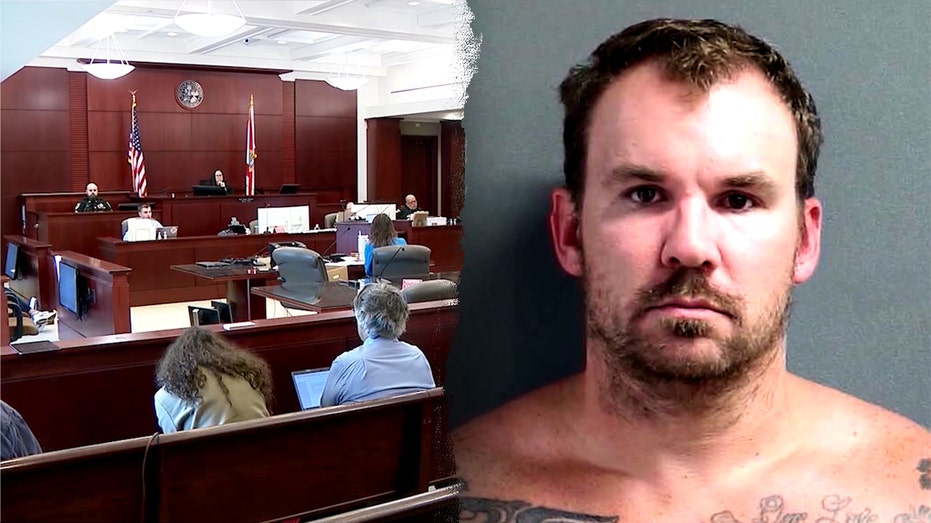
Routh’s attempt unfolded days after a similar threat surfaced during a visit to Pennsylvania. The would-be assassin, a man with a complex and surprising background, was ultimately sentenced to life in prison for his actions. His conviction followed a dramatic courtroom scene where he attempted self-harm with a pen immediately after the guilty verdict was delivered.
The charges against Routh were extensive: attempted assassination of a major presidential candidate, firearm offenses, assaulting a federal officer, and possession of a weapon with a deliberately obscured serial number. Throughout the trial, Routh chose to represent himself, offering a series of unconventional statements and arguments.

In a bizarre twist, Routh even challenged Trump to a high-stakes golf match, proposing a chilling wager: his own life for the presidency. This audacious offer revealed a deeply troubled mind and a desperate attempt to control the narrative surrounding his actions.
Beyond the attempted attack, Routh’s life was marked by fervent activism. Originally from North Carolina, he was a roofer and a passionate advocate for Ukraine, having spent time in Kyiv exploring strategies to support the country’s defense and attract international investment.
Those who knew him in Ukraine described a seemingly harmless individual, utterly unlike the profile of a would-be assassin. He actively engaged with celebrities, politicians, and journalists, relentlessly pursuing support for Ukraine through social media and direct outreach.

His ambitions weren’t limited to Ukraine; Routh also sought to foster a relationship with North Korea, even proposing a U.S. tour for Supreme Leader Kim Jong Un. He believed a direct connection could dismantle sanctions and end hostilities, showcasing a surprising and unconventional diplomatic vision.
The attempted assassination occurred on September 15th, 2024. A Secret Service agent first observed Routh armed near the fifth hole and discharged a weapon in his direction. Routh then fled the scene in a vehicle, leading to a pursuit and his eventual arrest on Interstate 95, an hour north of West Palm Beach.
During his two-week trial, Routh argued that possessing a weapon did not equate to intent to harm, claiming he never fired a shot. His rambling closing argument underscored the disconnect between his actions and his self-proclaimed innocence.

Following the conviction, Trump expressed relief and condemnation, labeling Routh “an evil man with an evil intention.” He publicly praised the work of the Attorney General, the DOJ team, and the Secret Service for their swift and effective response.
Trump specifically acknowledged the individual who witnessed Routh fleeing the scene and provided crucial information to law enforcement, leading to his capture. He hailed the verdict as “a very big moment for JUSTICE IN AMERICA,” a testament to the security measures in place and the dedication of those protecting him.