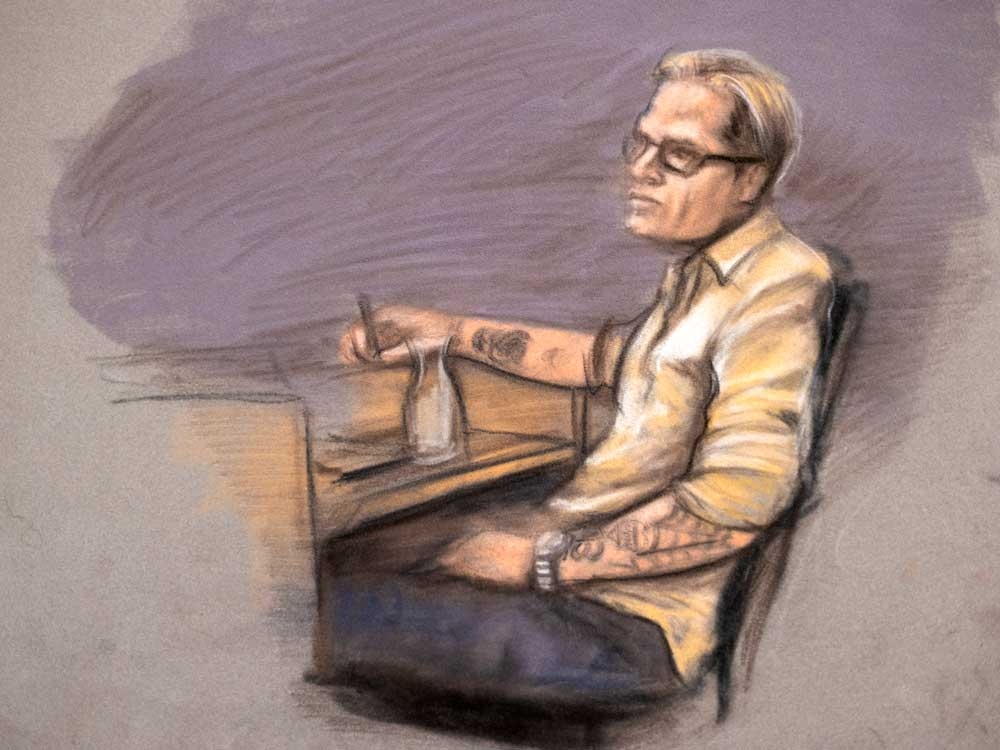
A chilling plot to potentially alter the course of American history ended with a life sentence. Ryan Routh, 59, was sentenced Wednesday for attempting to assassinate Donald Trump while the former president was golfing in Florida, a scheme meticulously planned in the months leading up to the 2024 election.
The drama unfolded on September 15, 2024, at Trump International Golf Club in West Palm Beach. Secret Service agents spotted Routh concealed in the bushes, armed with a semi-automatic rifle, positioned just a few hundred meters from where Trump was playing.
Routh immediately fled, abandoning the weapon, but was quickly apprehended. He then chose to represent himself in court, a decision that ultimately led to a jury finding him guilty last September on five criminal counts, including the most serious charge of attempted assassination.
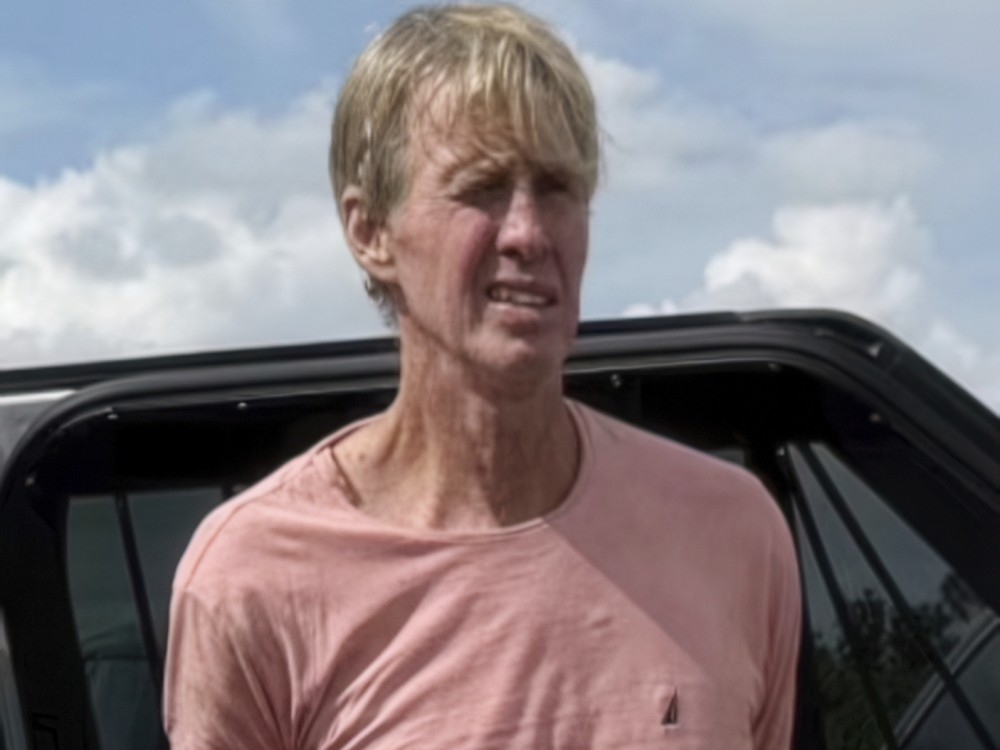
Prosecutors argued that Routh’s actions demanded the harshest possible penalty – life in prison. They detailed a calculated plot, emphasizing his willingness to harm anyone standing between him and his target, and pointed to a complete lack of remorse.
Routh, however, requested a 27-year sentence, and maintained his innocence, claiming he never intended to kill the former president. He suggested a personality disorder might have played a role and offered to undergo psychological treatment while incarcerated.
He also argued that the jury was swayed by a lack of adequate legal representation, given his decision to act as his own counsel. Despite his claims, Judge Aileen Cannon, a Trump appointee, delivered the life sentence, effectively closing the chapter on this disturbing case.
The incident occurred during a particularly volatile period. Just two months prior, a bullet had grazed Trump’s ear during a campaign rally in Pennsylvania, adding to the heightened security concerns surrounding the candidate.
Routh’s history revealed a transient life, with recent residency in Hawaii and prior roots in North Carolina. Beyond the attempted assassination, he was also convicted of illegal firearm possession and impeding a federal officer during his arrest, further solidifying the gravity of his offenses.
The sentencing marks the culmination of a case that sent shockwaves through the nation, a stark reminder of the potential for violence that can permeate the political landscape and the lengths to which individuals might go to influence its outcome.