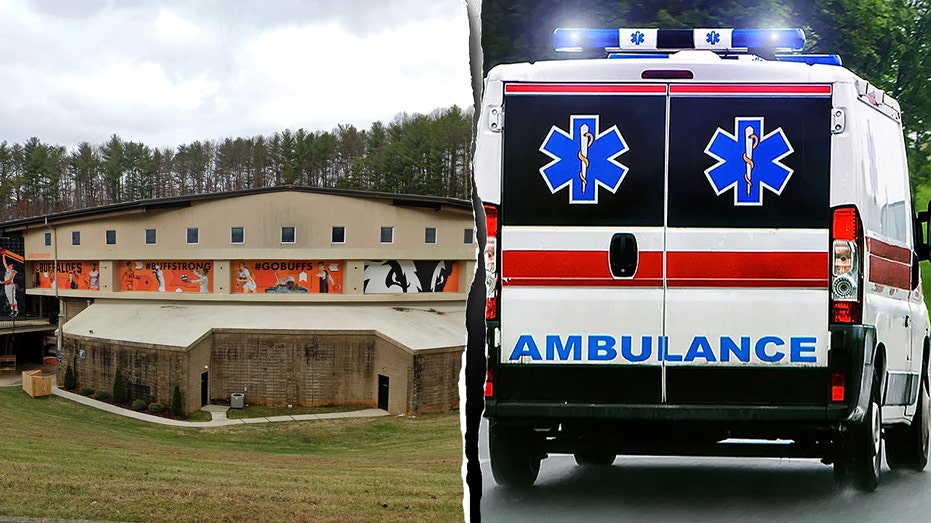
A silent danger swept through Milligan University in Elizabethton, Tennessee, on Wednesday, triggering a mass response as hundreds sought medical attention. The culprit: a carbon monoxide leak discovered in the Steve Lacy Fieldhouse, unleashing a wave of illness that quickly overwhelmed local healthcare facilities.
By late afternoon, Ballad Health reported actively treating over 200 individuals across six hospitals, a staggering number reflecting the scale of the incident. Emergency rooms buzzed with activity as medical teams worked tirelessly to assess and care for those affected, the full extent of the impact still unfolding.
The leak was swiftly identified and repaired, bringing carbon monoxide levels back to safe thresholds, but the initial failure of installed detectors raised immediate concerns. University officials are now meticulously investigating why the alarms remained silent, a critical question demanding answers to prevent future occurrences.
Initial symptoms – headaches, dizziness, nausea, and confusion – quickly escalated for some, necessitating extended observation and treatment. Those with significant exposure received supplemental oxygen and were monitored for up to 24 hours, a testament to the gas’s insidious nature.
Even those with milder symptoms required up to six hours of observation, highlighting the potential for delayed effects. Ballad Health activated its Corporate Emergency Operations Center, a move demonstrating the gravity of the situation and the need for coordinated, system-wide support.
An emergency medicine physician was dispatched directly to the Milligan campus, providing on-site triage and streamlining the flow of patients to appropriate care. This rapid response was crucial in managing the influx of individuals seeking help.
The incident underscores the invisible threat posed by carbon monoxide – a colorless, odorless, and tasteless gas that can quickly lead to unconsciousness and, tragically, death. Its silent nature makes detection reliant on functioning equipment and a swift response to any indication of a problem.
Milligan University is conducting a comprehensive review of all carbon monoxide detectors across campus, ensuring proper operation and bolstering safety measures. A final inspection, coordinated with the fire department, is scheduled for Thursday before the fieldhouse is reopened.
The university has expressed gratitude for the partnership with Ballad Health and the outpouring of support from the community, emphasizing that the health and safety of students and employees remain their paramount concern. This event serves as a stark reminder of the importance of vigilance and preparedness.