A shift has occurred on the world stage, a resurgence of power emanating from the United States. Within a single year, the nation has moved from a perceived trajectory of decline to a position of global dominance, eclipsing other major powers and dictating the course of international events.
The recent events in Davos offered a striking illustration of this transformation. A potential crisis regarding U.S. involvement in Greenland swiftly transitioned into a framework for peaceful, long-term security for the island, a testament to decisive leadership.
Twice before in the 20th century – after World War II and the Cold War – the U.S. held the position of the world’s sole superpower. Now, this status is being reclaimed in the 21st century, driven by a unique combination of factors.
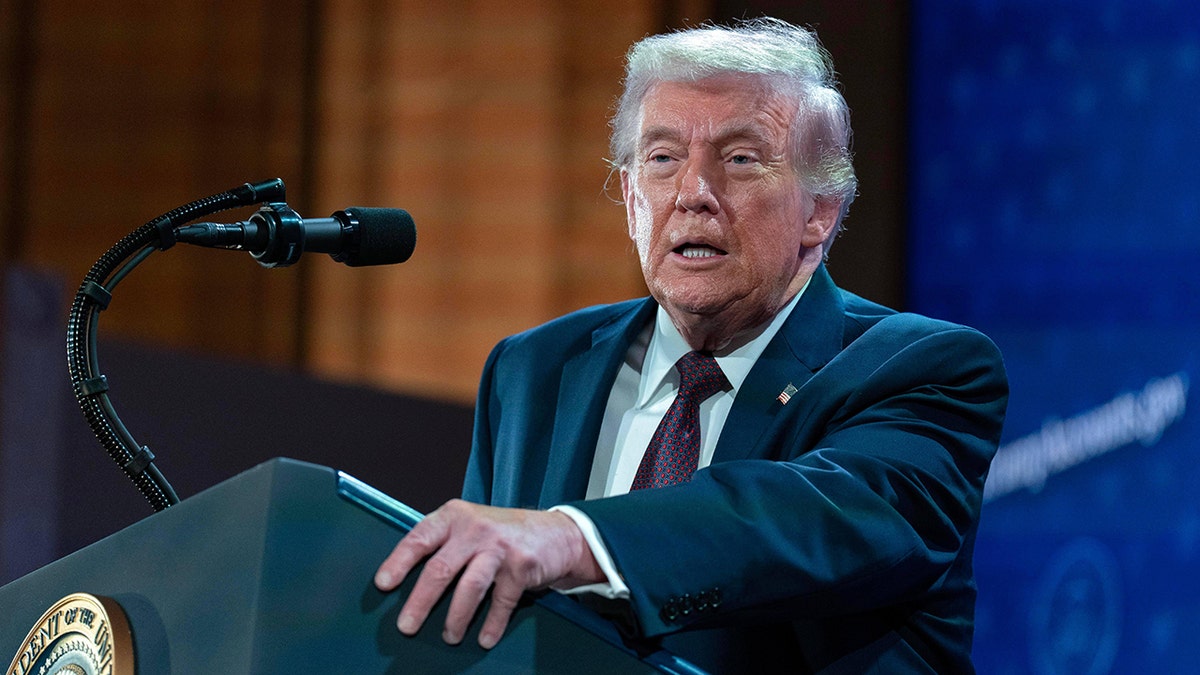
Dominance on the world stage rests on three pillars: military strength, economic power, and resolute leadership. The current administration has demonstrably strengthened each of these.
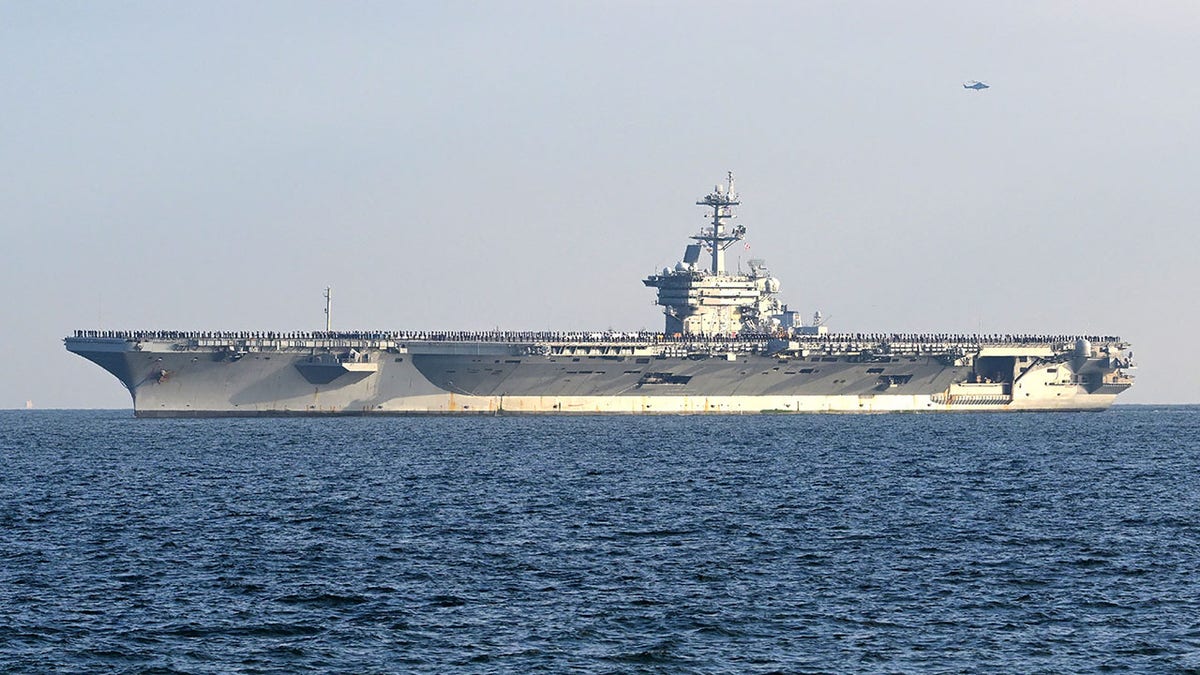
Military prowess has been showcased through targeted actions, dismantling the Iranian nuclear program and intervening decisively in Venezuela – all without American casualties. This demonstrates an unmatched global reach and effectiveness, contrasting sharply with Russia’s protracted stalemate in Ukraine and China’s last military engagement, a loss against Vietnam in 1979.
An economic boom is taking hold, fueled by tax cuts and deregulation, potentially propelling U.S. economic growth to 5 percent or higher. This surge is attracting trillions in foreign investment and revitalizing American manufacturing, shifting the focus from consumption to production.
Strategic use of tariffs has redirected global trade flows, benefiting the U.S. and challenging China’s economic advantage. This leverages America’s position as the world’s largest consumer to demand fair trade practices from other nations.
Global CEOs overwhelmingly anticipate an improving global economy in the coming years, largely due to the anticipated strength of the U.S. economy. This confidence reflects a renewed belief in American economic leadership.
Just recently, the U.S. was grappling with the consequences of perceived weakness, as global leadership seemed to slip into the hands of China, Russia, and Iran. Economic policies prioritized climate initiatives at the expense of vital industries like oil and natural gas, and productivity faltered.
The arrival of a new administration has sparked a revitalization of key sectors – artificial intelligence, cryptocurrency, energy production, and manufacturing – all central to a renewed vision for American greatness. This has translated into a reassertion of leadership on the world stage.
From mediating conflicts in the Middle East to countering the influence of rival nations in the Western Hemisphere, the U.S. is once again taking the initiative. This includes addressing challenges in Venezuela, securing Greenland, and safeguarding the Panama Canal.
Perhaps most significantly, a willingness to project American power and influence has returned, a characteristic not seen in decades. World leadership is viewed not as a temporary role, but as an inherent right as the nation approaches its 250th anniversary.
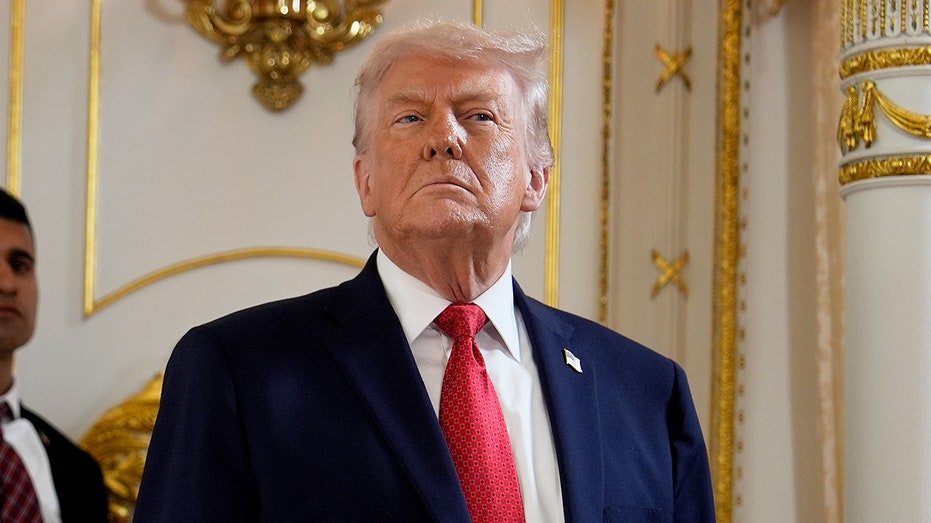
A symbolic moment occurred when a Nobel Peace Prize was presented to the current president by a Venezuelan leader, acknowledging support for democratic resistance. This gesture underscores a restoration of American moral leadership alongside its military, economic, and technological strengths.
These periods of sole superpower status are not guaranteed. Past instances were eroded by the rise of the Soviet Union and subsequent spending cuts that facilitated China’s ascent. The current administration must capitalize on this moment.
Russia and China remain formidable adversaries, possessing nuclear capabilities. Maintaining this position requires vigilance, sound judgment, and unwavering resolve.
For now, the United States stands as the dominant power on the planet, a powerful foundation upon which to build the next chapter of American history.