A seismic shift is coming to Canada’s automotive landscape. Prime Minister Mark Carney is poised to dismantle the nation’s controversial electric vehicle mandates, a policy that threatened to reshape how Canadians drive.
The impending decision marks a dramatic reversal of course from the previous administration, effectively ending a plan that would have gradually outlawed gasoline and diesel-powered vehicles. The original regulations, slated to begin in 2026, aimed for 20% of new car sales to be zero-emission, escalating to 100% by 2035.
Under the scrapped plan, even plug-in hybrid vehicles – those relying on a combination of gasoline and electric power – faced elimination. Manufacturers failing to meet the escalating quotas faced a hefty penalty of $20,000 for each vehicle exceeding the limit, a financial burden many warned would cripple the industry.
The auto industry, already struggling with uncertainty, had vocally opposed the mandates. They argued the regulations imposed unsustainable costs, jeopardizing Canadian jobs and investment. The call for a complete repeal grew increasingly urgent as consumer interest in electric vehicles waned and ambitious EV projects were scaled back or abandoned.
Carney initially paused the mandates upon taking office, recognizing the immediate financial strain on automakers. A 60-day review followed, widely welcomed by the industry, and ultimately led to this decisive action.
Instead of the rigid mandates, a new approach focused on fuel efficiency standards is expected to be unveiled. This shift signals a move towards a more flexible and pragmatic strategy for reducing emissions in the transportation sector.
The original mandate system also contained a controversial credit system. Automakers exceeding the EV sales quotas could earn credits, which those falling short would be forced to purchase – potentially creating a lucrative windfall for companies like Tesla, which exclusively produces electric vehicles.
Tesla’s financial reports reveal substantial revenue generated from these “automotive regulatory credits,” exceeding a billion dollars in just the first half of a recent year. This underscored concerns that the mandate would disproportionately benefit a single company at the expense of others.
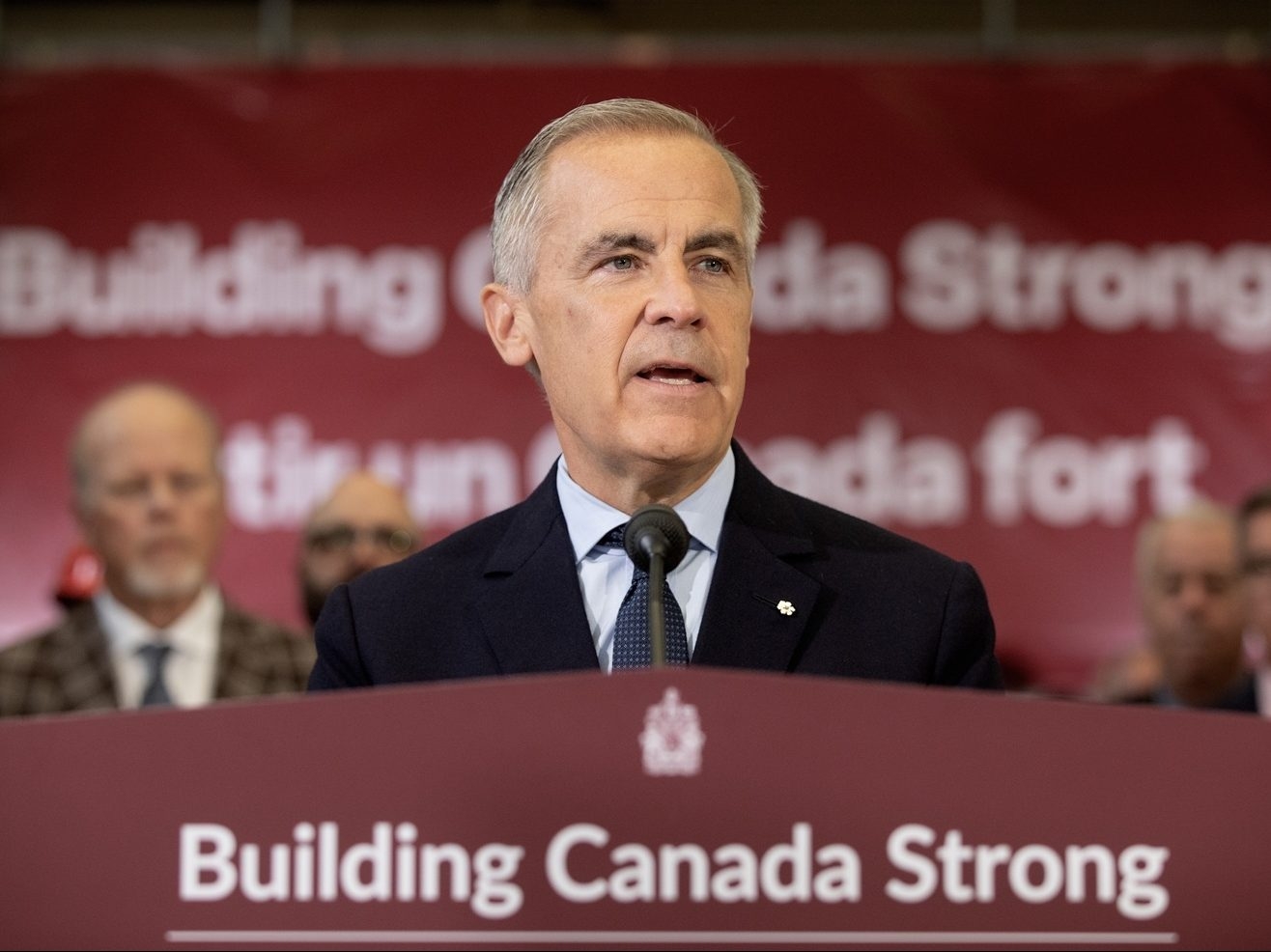
The Prime Minister is expected to formally announce the changes and outline the new fuel efficiency standards in a press conference, signaling a new era for Canada’s automotive industry and its consumers.