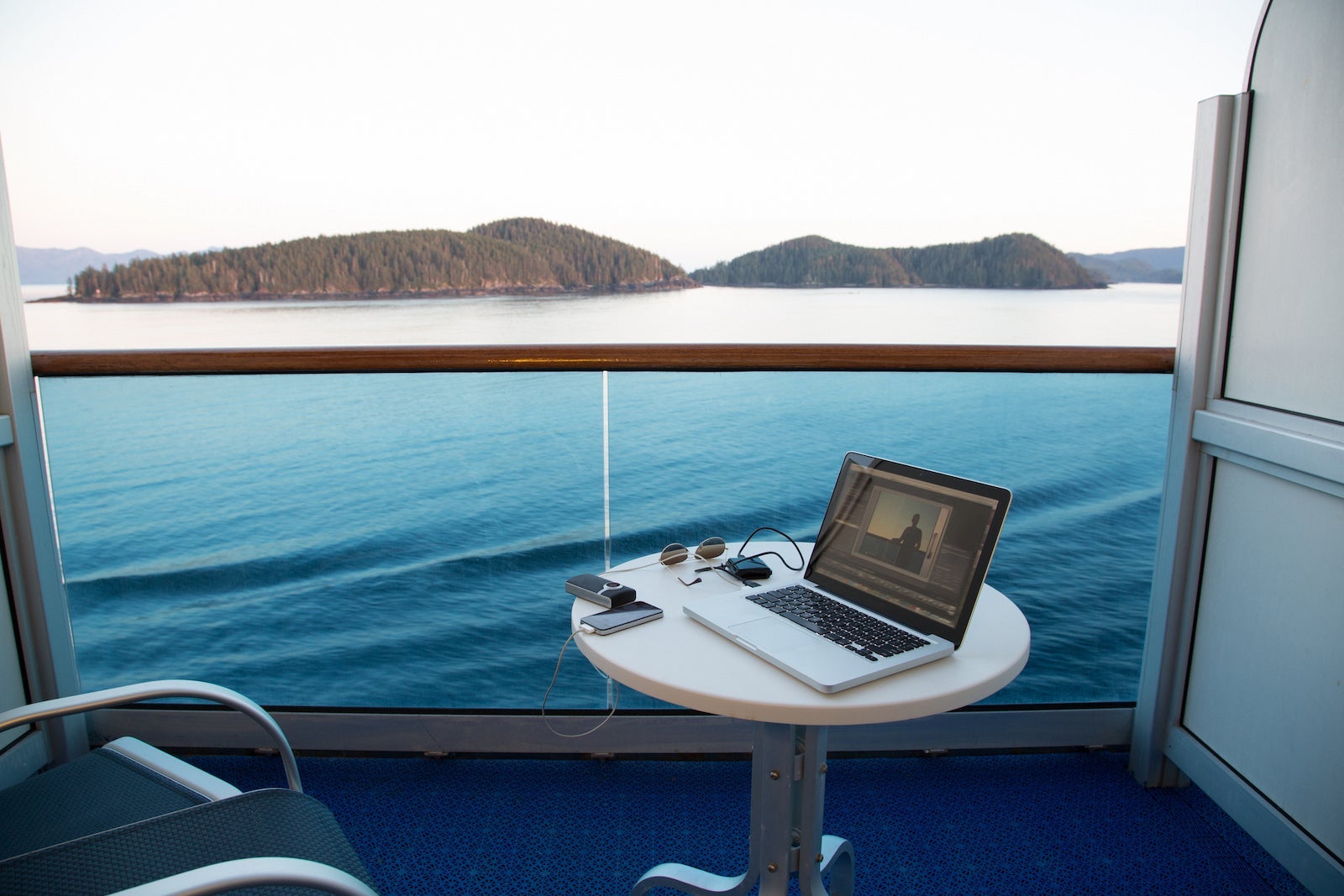
Thirty years ago, connecting to the internet on a cruise ship was an exercise in frustration. Imagine clicking a link and waiting… and waiting… hoping a webpage might eventually appear before your vacation ended. Those agonizingly slow days are thankfully a distant memory, but the reality of Wi-Fi at sea still holds some surprises.
Recent advancements have dramatically improved internet service on cruise ships, both in speed and affordability. If it’s been a few years since your last voyage, prepare to be amazed. The difference is substantial, but don’t expect a seamless experience identical to your home connection.
While improvements are constant, cruise ship internet still faces unique challenges. Unlike land-based connections relying on physical cables, shipboard internet primarily depends on satellite technology – a slower and more expensive proposition. Even with ongoing investments in satellite systems, limitations remain.

A ship needs a clear line of sight to a satellite to transmit data, a feat not always possible. The dramatic landscapes of places like the Norwegian fjords, with their towering mountains, can interrupt the signal. And certain remote regions, like the Russian Arctic, still lack sufficient satellite coverage altogether – a situation some travelers might secretly welcome.
The good news is speeds are increasing. Streaming services like Netflix, once unthinkable at sea, are now becoming a reality on many ships. Royal Caribbean’s pioneering Voom system, launched in 2014, offered a six-fold speed increase, and the adoption of SpaceX’s Starlink is pushing those boundaries even further.
However, even with these advancements, speeds still lag behind typical home connections. A recent test on a Royal Caribbean ship showed download speeds around 9 megabits per second, compared to the 400 Mbps available at one writer’s home. While sufficient for streaming, occasional hiccups and temporary disconnections are still possible.
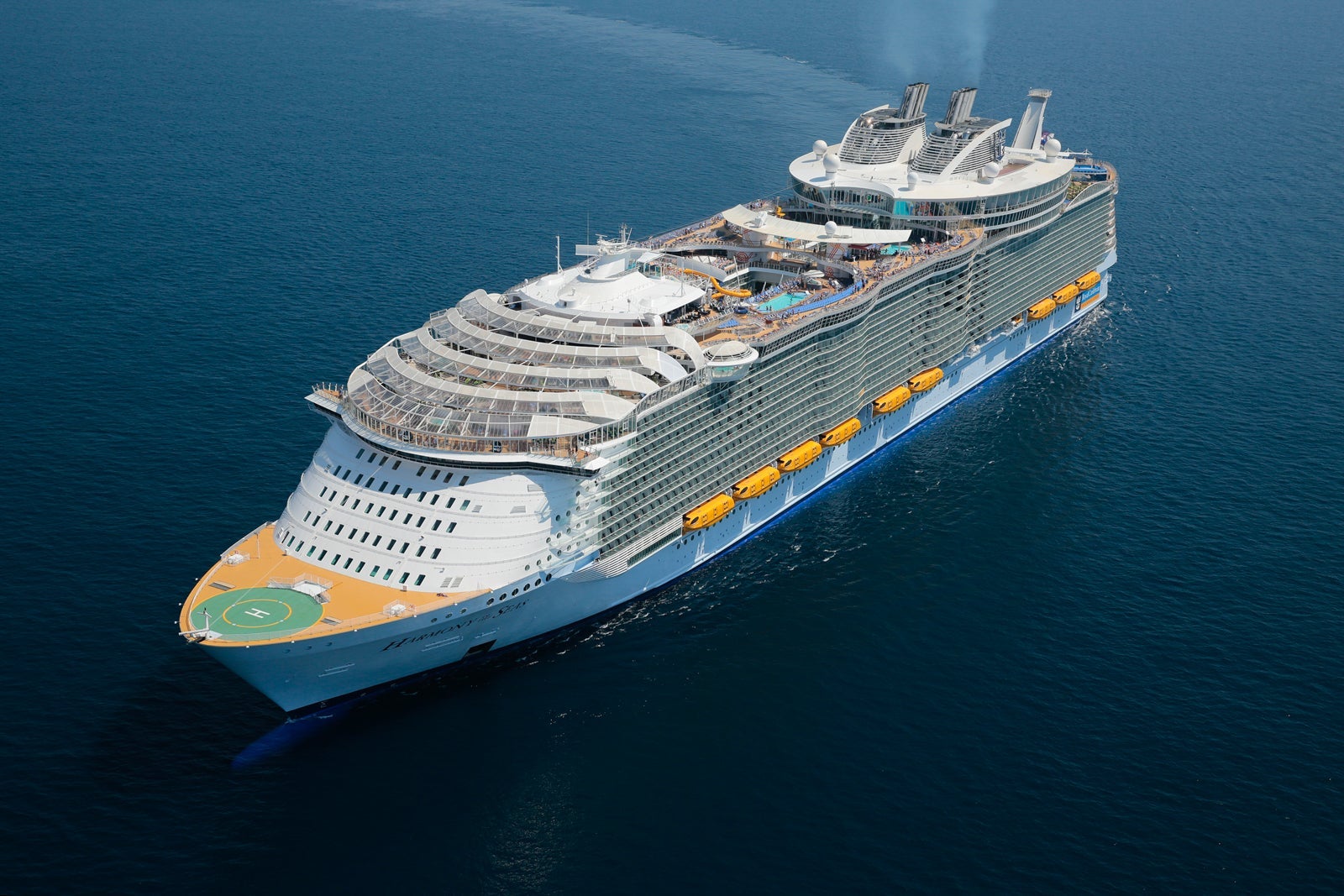
The cost of cruise ship internet has also undergone a significant transformation. Gone are the days of exorbitant per-minute charges – remember paying 75 cents a minute, or $45 an hour? Today, most lines offer “all-you-can-browse” plans, typically ranging from $15 to $30 per day for a single device.
Savvy cruisers can find even better deals. Purchasing internet access in advance often unlocks discounts of 20-30%. And luxury lines like Viking, Regent Seven Seas, and Silversea are now including unlimited internet access as a standard amenity.
Loyalty programs also offer benefits. Reaching higher tiers in programs like Celebrity’s Captain’s Club or Princess’s Captain’s Circle can unlock free or discounted internet access. Even booking a suite on Royal Caribbean grants complimentary Voom access.

Beyond paid Wi-Fi, cruise lines are increasingly offering free apps that enhance the onboard experience. These apps allow you to make reservations, order room service, view daily schedules, and even check your onboard account – all without using a Wi-Fi plan.
One crucial tip for avoiding unexpected charges: activate airplane mode the moment you board. This prevents your phone from roaming and incurring potentially massive data fees. International phone plans often don’t apply at sea, and roaming charges can be shockingly high.
Protect yourself by disabling background apps and automatic email checks if you choose to leave cellular service on. But the simplest solution remains airplane mode – a small step that can save you a significant amount of money and worry.
Planning a cruise is an exciting endeavor. Consider these points as you prepare to set sail, and embrace the evolving world of connectivity at sea – a world that, while not perfect, is rapidly becoming more convenient and affordable.