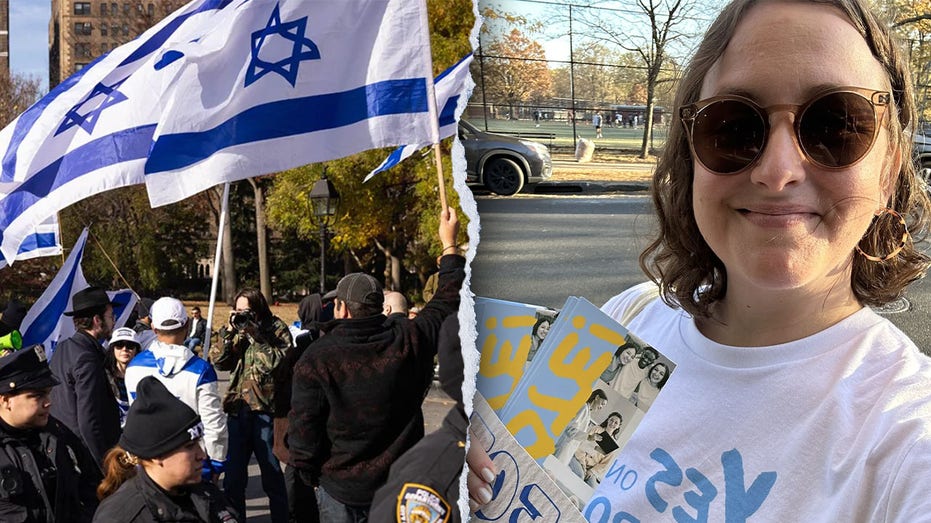
New York City’s newly appointed antisemitism czar, Phylisa Wisdom, once publicly expressed dismay over a statement of support for Israel. The criticism stemmed from a social media post by a former mayoral candidate condemning Hamas rocket attacks targeting civilian areas.
Wisdom responded to the post, stating she was “floored” by it, and asserted that New York City needed a mayor who would advocate for Palestinians amidst what she described as “state-sanctioned violence.” This incident reveals a complex perspective on the Israeli-Palestinian conflict.
Years earlier, in 2009, Wisdom openly discussed missing Yom Kippur, the holiest day in Judaism, with a flippant tone. Her online comment questioned the significance of observing the day, sparking debate about her relationship with Jewish tradition.
Despite these past statements, Wisdom identifies as a “liberal Zionist” and supports a two-state solution. She previously led the New York Jewish Agenda, an organization that has voiced criticism of Israeli military actions in Gaza, highlighting a nuanced position.
Upon her appointment, Wisdom pledged to prioritize Jewish safety and inclusion within the city administration. She emphasized her commitment to representing diverse Jewish voices and upholding the principles of pluralistic democracy.
However, concerns have been raised regarding her suitability for the role. Critics point to her past statements as evidence of a potential bias, questioning her ability to effectively combat antisemitism.
One fellow at the Middle East Forum argued that Zionism is fundamental to Jewish identity and survival, suggesting that overlooking this aspect could undermine her efforts. He also noted her challenges to traditional Jewish education.
A rabbi and founder of the Foundation For Ethical Understanding emphasized the inseparable link between Israel and Judaism, expressing doubt about Wisdom’s understanding given her opposition to a widely adopted definition of antisemitism.
The appointment is further complicated by the mayor’s own history of criticism towards Israel, particularly regarding its actions in Gaza. This has led some to question the sincerity of the administration’s commitment to combating antisemitism.
Despite the controversy, the mayor defended Wisdom, describing her as a “principled and effective leader” dedicated to confronting antisemitism. He expressed confidence in their ability to work together to create a safe and thriving environment for Jewish New Yorkers.
The situation underscores the delicate balance required when addressing issues of antisemitism and the Israeli-Palestinian conflict, particularly within a diverse city like New York. It highlights the importance of understanding differing perspectives and fostering inclusive dialogue.