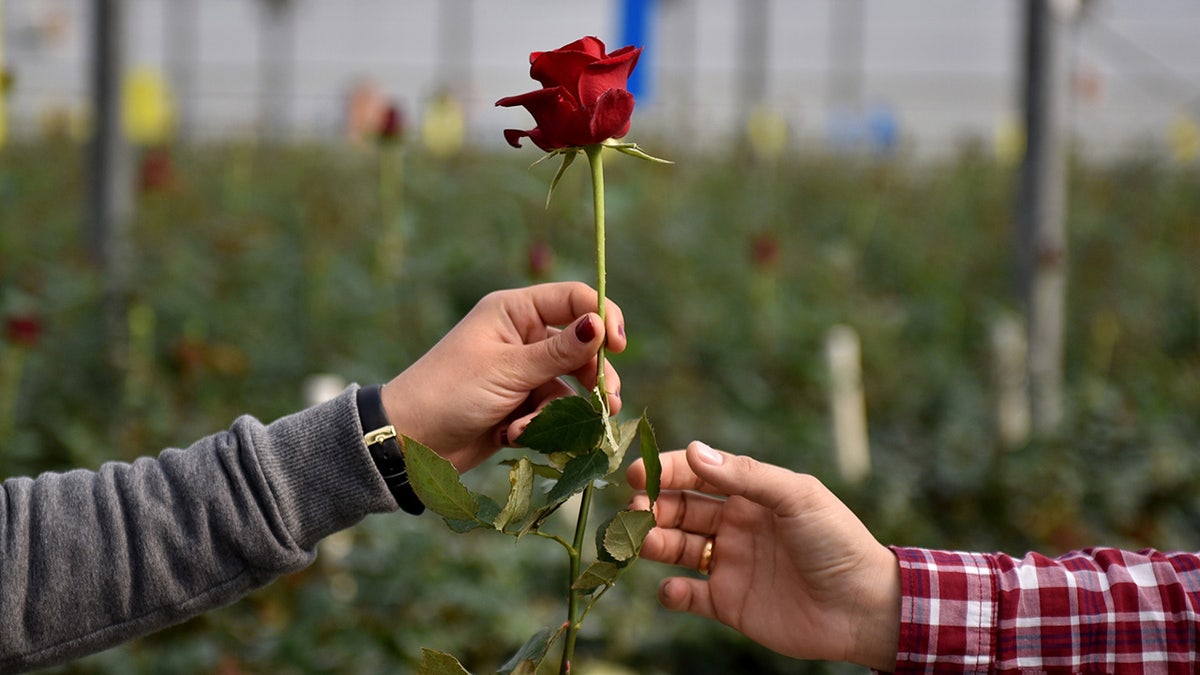
A surprising warmth emerges from recent observations – a sentiment that transcends the often-divisive landscape of politics. As Valentine’s Day arrives, a compelling narrative unfolds: the enduring power of connection, even across ideological divides.
The latest findings reveal that a significant six in ten voters believe finding love with someone holding opposing political views is entirely possible. Remarkably, one in ten report that this has already happened to them, suggesting a willingness to look beyond surface-level disagreements.
Who are the most open-hearted? Fathers, moderates, men without a college degree, Republicans, White evangelical Christians, independents, Catholics, and younger voters under 30 appear most receptive to the idea of love blossoming across the political spectrum.
But politics, even in disagreement, takes a backseat to something far more fundamental: a shared sense of humor. A resounding 77% of voters prioritize a partner’s ability to make them laugh over aligning on political issues, a preference that dwarfs political compatibility by a 55-point margin.
Interestingly, the desire for political alignment *has* grown since 2015, but it remains secondary to humor. Younger women and Democrats are slightly more inclined to value shared political opinions, while men, older voters, and Republicans lean more heavily towards a partner with a good sense of humor.
Adding a touch of fairytale to the mix, belief in love at first sight is on the rise, currently held by 59% of those surveyed – a jump from 51% in 2015. This romantic notion continues to capture imaginations, suggesting a persistent hope for instant connection.
The most ardent believers in love at first sight? Married men without children, Republican men, and Catholics, with at least two-thirds within each group embracing the idea of immediate, powerful attraction.
However, not all is rosy in the realm of romance. The percentage of people currently feeling “in love” has dipped slightly since 2015, falling from 69% to 58%. This decline is most noticeable among independents, men, college graduates, and Republicans.
A beacon of hope remains within the institution of marriage, where an impressive 89% of married voters report currently being in love. This suggests that long-term commitment often fosters enduring affection.
Despite the slight dip in current love, the search continues. Four in ten individuals are still actively seeking a special someone, an increase from three in ten a decade ago. The desire for companionship and connection remains strong.
Even among those not currently experiencing love, half still hold onto the possibility of love at first sight. This enduring optimism speaks to a fundamental human need for connection and the belief in the power of a single, transformative encounter.
The data, gathered through a combination of live interviews and online surveys, paints a nuanced picture of the modern heart – one that values humor, remains open to connection across divides, and still dares to believe in the magic of love.