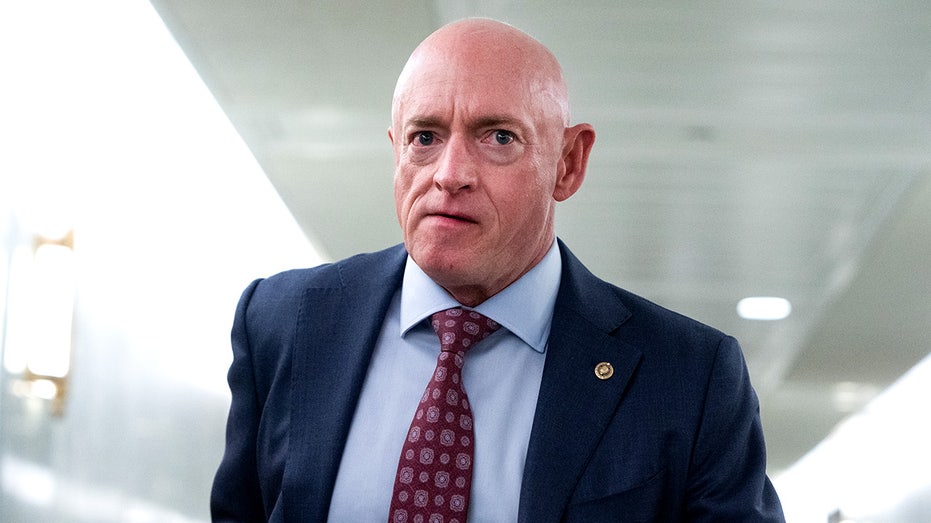
A federal grand jury has decided against indicting six Democratic lawmakers following accusations of inciting potential insubordination within the military. The controversy stemmed from a video released last November, where the representatives addressed service members directly, urging them to consider refusing orders they deemed illegal.
Senators Elissa Slotkin of Michigan and Mark Kelly of Arizona, alongside Representatives Maggie Goodlander of New Hampshire, Jason Crow of Colorado, Chris Deluzio of Pennsylvania, and Chrissy Houlahan of Pennsylvania, all appeared in the video. Their message, repeated several times, centered on the right – and perceived duty – to reject unlawful commands.
The former president publicly condemned the video as “seditious,” demanding the lawmakers’ arrest and prosecution. This strong reaction fueled speculation about potential charges and a possible Justice Department investigation into their actions.

Reports indicate the Justice Department explored charging the lawmakers under a statute prohibiting incitement to mutiny or refusal of duty. However, after presenting evidence to a grand jury, the panel ultimately declined to return an indictment, effectively ending the criminal inquiry.
Representative Jason Crow responded to the decision with a defiant statement, accusing the previous administration of attempting to intimidate and silence political opposition. He asserted that such efforts would be met with resistance and signaled a growing shift in power dynamics.
The case echoes other instances of legal scrutiny faced by opponents of the former president, including former FBI Director James Comey and New York Attorney General Letitia James. This pattern has raised concerns about the potential weaponization of the justice system for political purposes.
Adding another layer to the situation, Secretary of War Pete Hegseth recently took action against Senator Mark Kelly, reducing his military retirement pay in response to the video. This move underscored the sensitivity surrounding the issue and the perceived threat to military discipline.
The grand jury’s decision closes this chapter, but the underlying questions about the boundaries of free speech, military obedience, and the potential for political interference in the justice system remain.