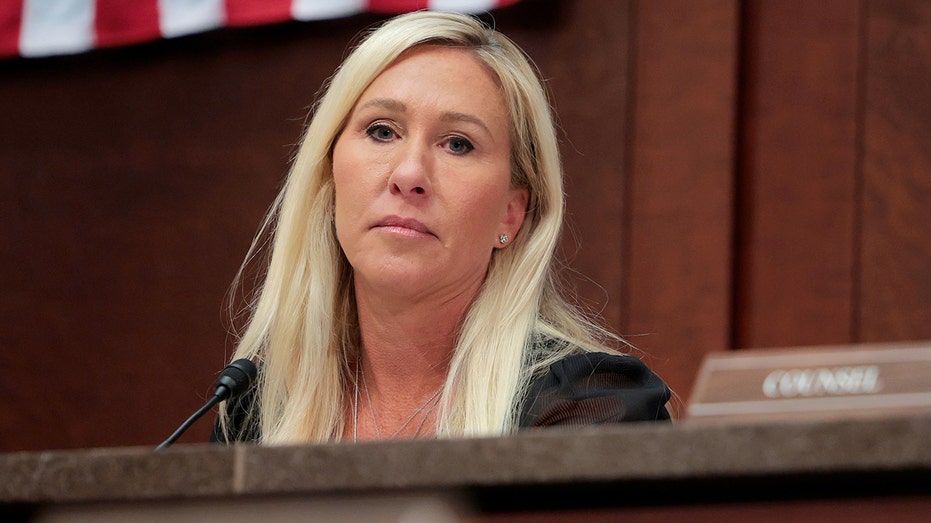
A sharp fissure has opened within the Republican party, as former Representative Marjorie Taylor Greene publicly criticized President Trump’s recent endorsement of Florida’s Representative María Elvira Salazar. Greene didn’t mince words, declaring the endorsement “an insult to his base” and accusing Salazar of supporting more lenient immigration policies than many Democrats.
The former congresswoman’s scathing assessment appeared on X, igniting a firestorm of debate. She questioned Trump’s judgment, suggesting his choices actively work against the promises he made to his core supporters – a startling rebuke from a once-staunch ally.
President Trump, however, offered effusive praise for Salazar on his Truth Social platform. He lauded her work representing Florida’s 27th Congressional District, proclaiming her a champion who “will never let you down!” and offering his “Complete and Total Endorsement.”
Salazar swiftly acknowledged the endorsement, expressing gratitude to the former president and outlining her key priorities. These included strengthening border security, addressing housing affordability in Miami, protecting American jobs, and confronting ideologies she deems threatening to freedom.
The congresswoman framed her own story as one of immigration and opportunity, emphasizing Miami’s identity as a haven for those seeking a better life. She pledged to continue delivering results and upholding conservative values while working to expand prosperity for her constituents.
This isn’t an isolated incident. Greene previously voiced her discontent with Trump’s endorsement strategy in January, claiming they reinforce the “swamp” rather than draining it. This ongoing tension signals a significant rift between Trump and a prominent figure within his former inner circle.
The White House responded to Greene’s earlier criticism with a forceful defense of Trump’s political acumen. A spokesperson argued his ability to build coalitions has been instrumental in achieving Republican successes and dismissed Greene’s comments as “reductive” and “self-defeating.”
The clash highlights a growing ideological divide within the GOP, particularly concerning immigration and the direction of the party. It raises questions about Trump’s influence and the future of conservative politics as the 2026 midterm elections approach.
The unfolding situation underscores the complex dynamics at play within the Republican party, where loyalty and policy disagreements are increasingly colliding. This public dispute between Trump and Greene is a stark reminder that even within a seemingly unified political movement, fractures can – and do – emerge.


