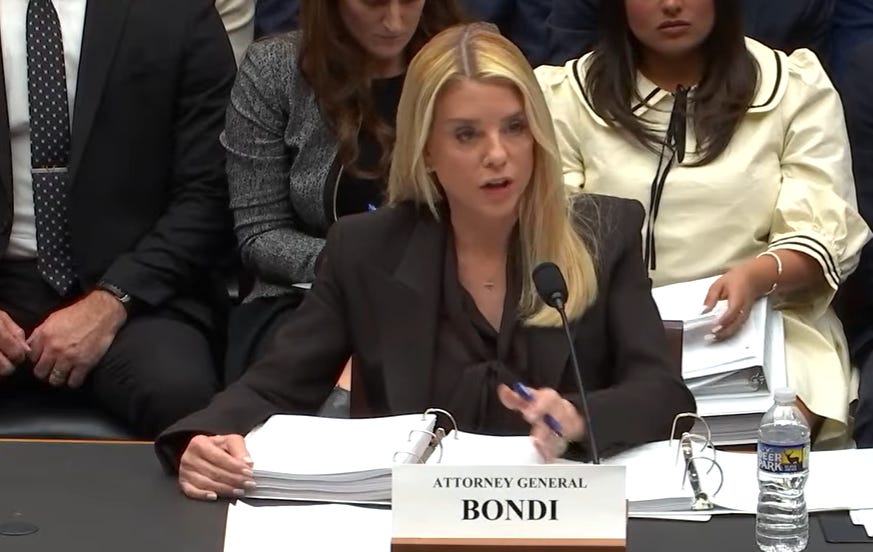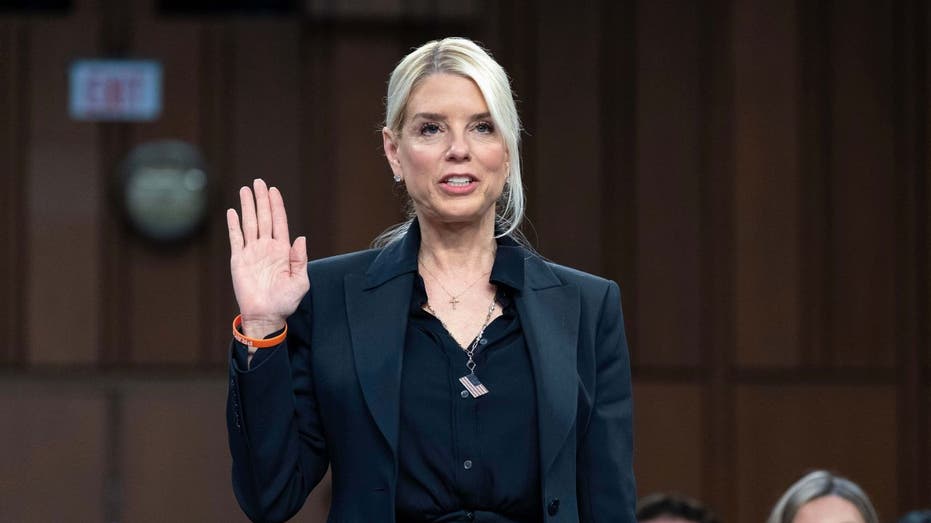
The nation’s attention will focus on Attorney General Bondi Wednesday as she faces the House Judiciary Committee. Lawmakers are prepared to question her about a series of contentious issues, ranging from the handling of the Jeffrey Epstein case files to significant shifts within the Department of Justice itself.
This hearing marks Bondi’s inaugural appearance before the House panel since assuming leadership of the DOJ. It’s expected to be a tense exchange, with both sides of the aisle prepared to challenge her on critical decisions and departmental policies.
While some anticipate praise for a renewed focus on street crime, drug trafficking, and immigration enforcement, others are poised to demand answers regarding compliance with the Epstein Files Transparency Act. The law mandated the release of all unclassified documents related to the Epstein case, a demand that has faced scrutiny.
The DOJ, under Bondi’s direction, has pursued high-profile cases, notably a superseding indictment against Venezuelan leader Nicolás Maduro and his wife. Accusations of narco-terrorism and firearms charges led to their recent detention in New York as they await trial.
However, the administration’s policies haven’t been without internal friction. A surge in immigration enforcement in Minnesota has overwhelmed the federal court system, prompting an exodus of prosecutors from the U.S. attorney’s office.
The hearing is also likely to address a wave of adverse rulings against the administration in lower courts, even from judges appointed by the current president. These rulings highlight growing legal challenges to key policies.
Federal judges in Minnesota have specifically raised concerns about the legality of detention practices related to alleged illegal immigrants. These concerns add to the mounting pressure on the DOJ to justify its approach to immigration enforcement.
Further complicating matters, several of the administration’s nominees to lead U.S. attorney’s offices have been rejected by federal judges. This resistance underscores a broader struggle for control over the justice system.
A recent ruling deemed the interim appointment of Lindsey Halligan, then leading the U.S. attorney’s office in Eastern Virginia, unlawful. This decision had immediate consequences, derailing high-profile indictments against prominent figures like former FBI Director James Comey and New York Attorney General Letitia James.
The DOJ is currently appealing the dismissal of those cases, signaling a determination to defend its actions and assert its authority. The outcome of these appeals will undoubtedly shape the future of the department and its relationship with the judiciary.