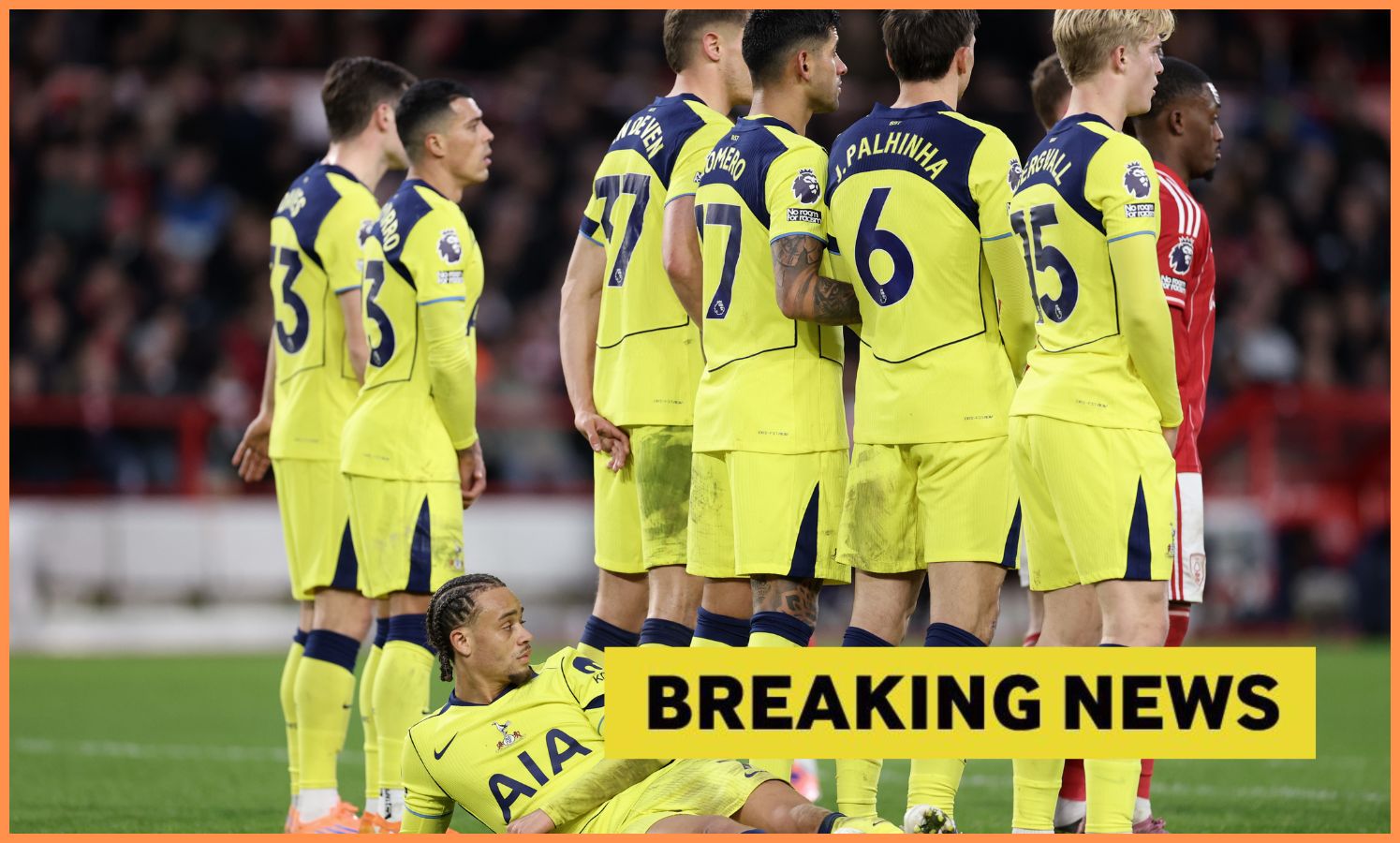
The atmosphere at Tottenham Hotspur Stadium was thick with tension, a palpable dread settling over the club after a bruising defeat to Newcastle United. The loss wasn't just three points dropped; it was a stark warning, leaving Spurs precariously close to the relegation zone – a fate unthinkable for a club of its stature. Behind closed doors, a seismic decision was brewing, one that would reshape the future of the team.
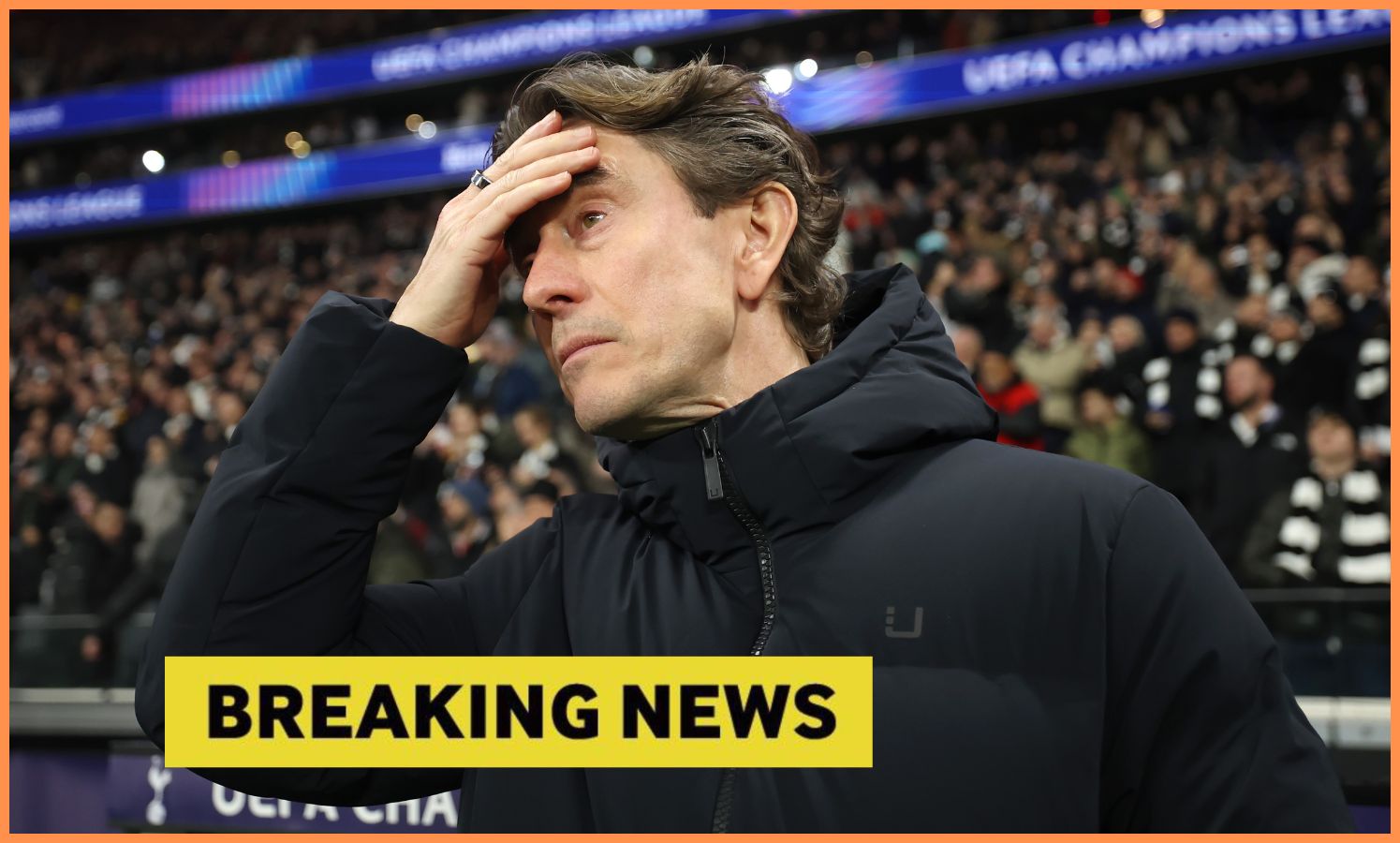
The official statement cited performance concerns as the reason for Thomas Frank’s dismissal, a carefully worded announcement from the board. But the story behind the scenes was far more complex, a web of influence and internal pressure culminating in a dramatic shift in leadership. It wasn’t a spontaneous reaction, but a calculated move, born from weeks of mounting anxiety.
Initially, the club’s hierarchy – CEO Vinai Venkatesham and Sporting Director Johan Lange – were hesitant to make a change. Their formal recommendation to the board reflected a reluctance to disrupt the existing structure, a belief that a course correction was still possible. However, their concerns were ultimately overshadowed by a powerful voice within the ownership.

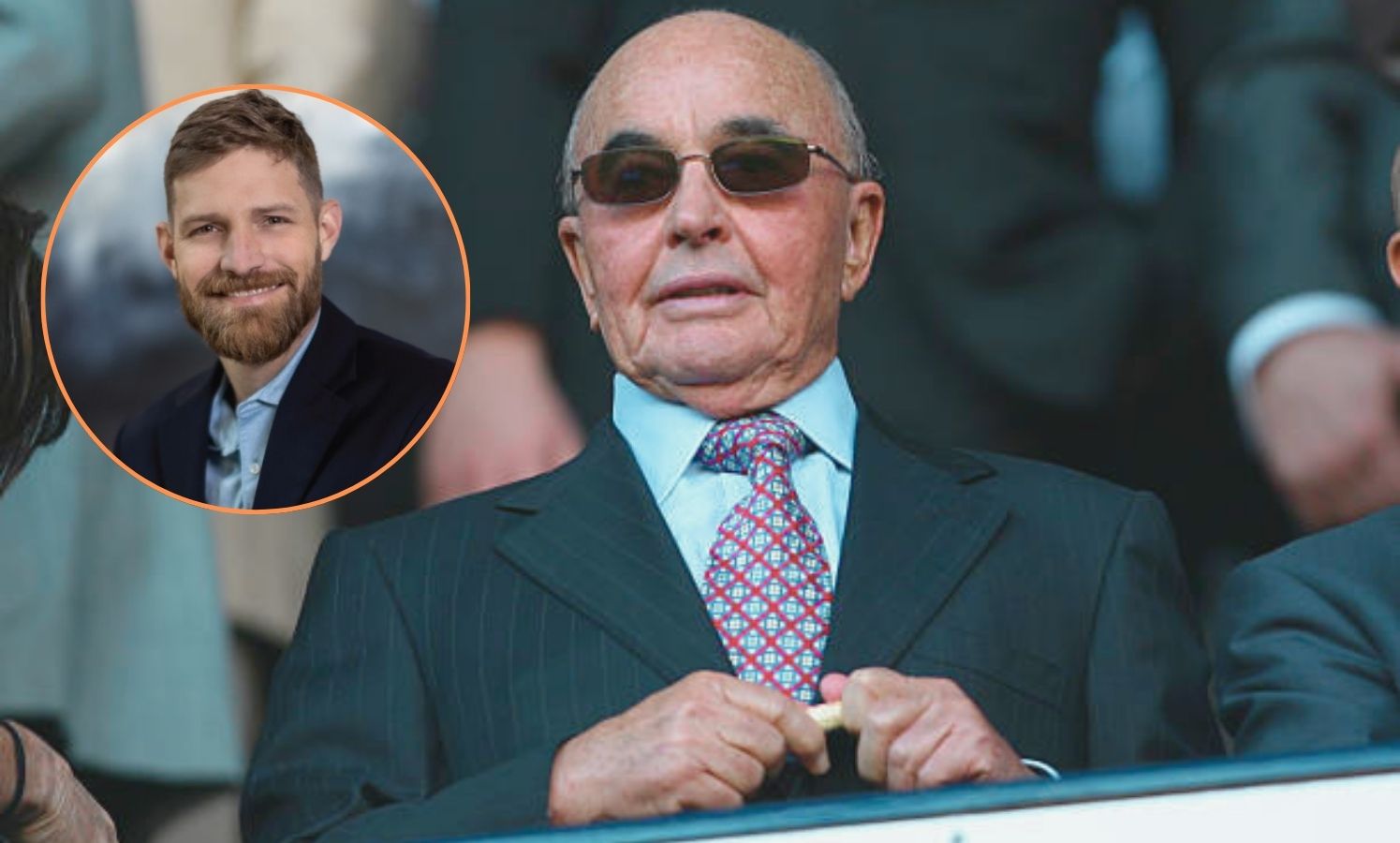
That voice belonged to Nick Beucher, the co-chief executive of the Tavistock Group and, crucially, the grandson-in-law of Tottenham’s owner, Joe Lewis. Emerging reports detail Beucher’s significant role in pushing for Frank’s removal, a quiet but decisive intervention that altered the club’s trajectory. His involvement wasn’t a mere suggestion; it was a pivotal force.
Beucher’s influence signals a subtle but significant power shift at the very top of Tottenham Hotspur. It suggests a deeper level of engagement from the ownership family in day-to-day footballing decisions, a move that could redefine the club’s approach to management and long-term strategy. The decision wasn’t simply about football; it was about control.
The sacking of Frank, therefore, wasn’t just a reaction to recent results. It was a symptom of a larger dynamic, a demonstration of a new order taking shape within the Tottenham hierarchy. The club now stands at a crossroads, its future direction heavily influenced by the perspective of a relatively unknown figure within the ownership structure.