A seasoned federal prosecutor, recently departed from the U.S. Attorney’s Office in Minnesota amidst a significant wave of resignations, has now joined the legal team defending Don Lemon. Joseph H. Thompson’s decision comes as concerns linger over the previous administration’s approach to handling protests and demonstrations.
Thompson, a former senior leader within the Minnesota office, brings with him invaluable experience from the very federal district where Lemon’s case will be prosecuted. He will work alongside Abbe Lowell, a prominent defense attorney known for challenging the previous administration in several high-stakes cases, including representing key figures like New York Attorney General Letitia James.
The charges against Lemon stem from an incident at Cities Church in St. Paul, Minnesota, where anti-ICE agitators allegedly disrupted a worship service. He and eight others were arrested, accused of conspiring to deprive others of their rights and violating the FACE Act – a federal law protecting religious freedom.
The mass exodus from the Minnesota U.S. Attorney’s Office, with roughly fourteen prosecutors resigning since January, has been widely attributed to disagreements with the Justice Department’s handling of unrest within the state. Thompson was among those who stepped down, following a particularly sensitive case involving a fatal shooting and subsequent concerns about the DOJ’s response.
Thompson’s departure was framed as a personal decision, expressing honor and privilege for his years of service in both Minnesota and Illinois. However, his swift entry onto Lemon’s defense team suggests a deeper alignment with the case’s complexities and potential implications.
The FACE Act, enacted in 1994, carries significant penalties for obstructing or intimidating individuals exercising their religious freedom. A first-time misdemeanor conviction could result in up to a year in federal prison, highlighting the seriousness of the charges Lemon faces.
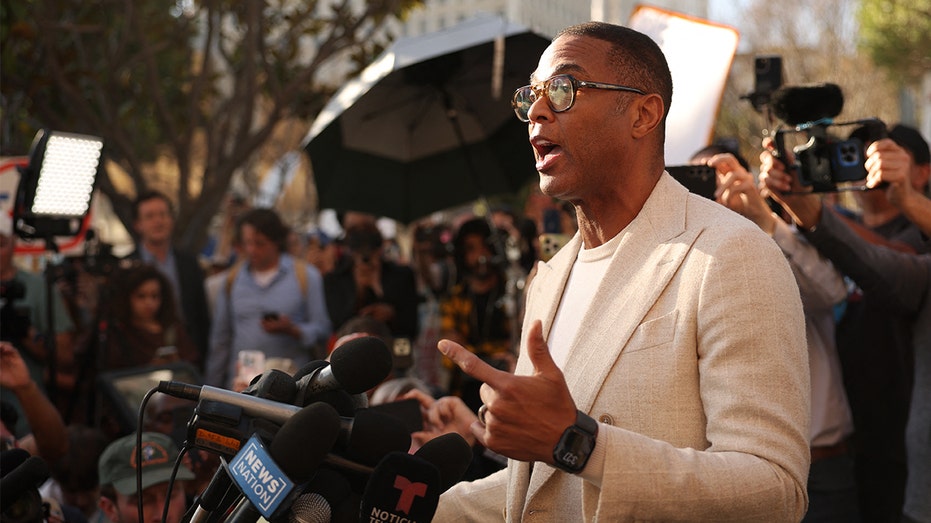
Lowell has vehemently argued that the case represents an unprecedented attack on the First Amendment, a deliberate attempt to stifle free speech. He insists Lemon’s presence at the demonstration was purely journalistic, a continuation of his thirty-year career documenting events.
Lemon himself maintains he was there to report, to chronicle the events unfolding before him. He emphasizes the crucial distinction between being a protester and a journalist, asserting his role was simply to observe and record the demonstration, as he explained in interviews and on his YouTube channel.
The upcoming arraignment and initial court appearance in Minnesota will be a critical first step. Thompson’s presence alongside Lemon signals a robust defense, prepared to vigorously challenge the allegations and defend the principles of free speech and journalistic integrity.
The case promises to be a significant test of the FACE Act and its boundaries, raising fundamental questions about the rights of protesters, the role of journalists, and the protection of religious freedom in a polarized nation.