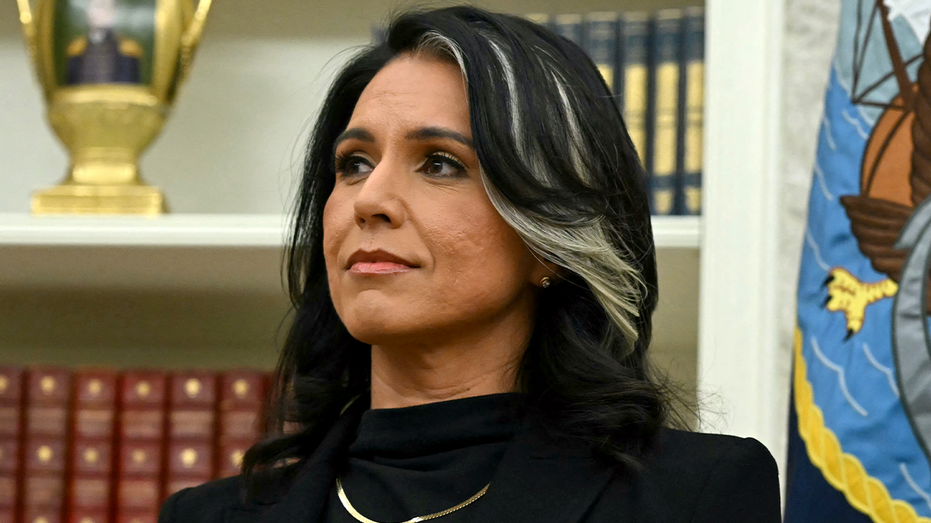
A sweeping effort to reshape the U.S. intelligence community has come to an end. Director of National Intelligence Tulsi Gabbard dissolved a task force created less than a year ago, a group initially charged with addressing deep-seated concerns about the politicization of intelligence gathering and wasteful spending.
The task force’s mandate was ambitious: to scrutinize intelligence practices, explore declassifying sensitive reports – including those related to the COVID-19 pandemic – and identify areas for significant budget reductions. Gabbard framed the group’s existence as temporary, designed to initiate a period of intense review and reform within the 18 agencies under her oversight.
Gabbard asserted the task force achieved an unprecedented level of transparency, and that her commitment to truth and eliminating political influence within the intelligence apparatus remains unwavering. The precise number of personnel involved and their identities remain classified, a testament to the sensitive nature of their work.
However, the task force’s creation was immediately met with skepticism and outright condemnation. Critics, including prominent Democrats, voiced fears that it was a pretext for a politically motivated purge, intended to bring the intelligence agencies under tighter presidential control and silence dissenting voices.
Senator Mark Warner, a leading voice on the Senate Intelligence Committee, publicly labeled the group a “witch hunt,” suggesting it was designed to target intelligence officers perceived as disloyal. This apprehension stemmed from concerns that the task force would be used to punish those who challenged the administration’s narrative.
During Gabbard’s tenure, significant changes have reshaped the landscape of U.S. intelligence. Agencies were directed to support claims of interference in the 2016 and 2020 elections, and a substantial budget cut of over $700 million was announced, accompanied by the dismissal of senior intelligence officials deemed resistant to the administration’s agenda.
The revocation of security clearances for dozens of former and current officials – many outspoken critics of the president – further fueled accusations of political retribution. Critics argued these actions were not based on genuine security risks, but rather on ideological alignment.
Gabbard’s presence during an FBI search of a Georgia election office related to the 2020 election also drew fire, blurring the lines between foreign intelligence gathering and domestic law enforcement. This raised concerns about the appropriate use of intelligence resources within the United States.
The CIA, under Gabbard’s direction, also released additional information regarding its investigation into the origins of COVID-19, including an assessment supporting the theory that the virus most likely originated in a laboratory in China. This move signaled a shift in focus and a willingness to publicly address controversial topics.
Now, with the task force disbanded, the officers involved will return to their respective agencies, tasked with continuing the work initiated during this period of intense scrutiny and reform. The long-term impact of these changes on the U.S. intelligence community remains to be seen.