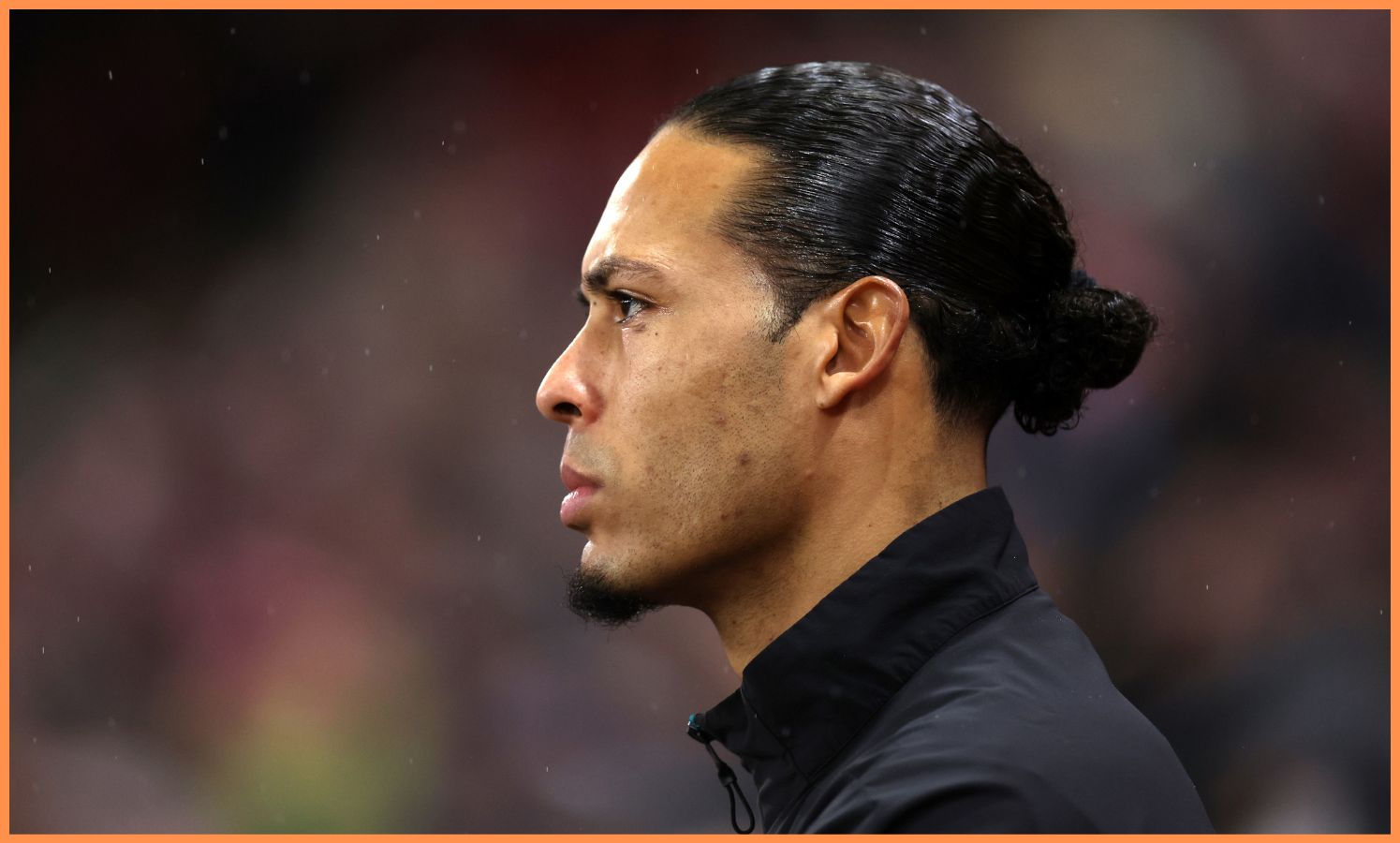
Ange Postecoglou didn’t hold back when discussing his time at Tottenham, delivering a stinging assessment of the club’s ambition and structure. Speaking recently, the Australian tactician questioned whether Spurs truly operate as a “big club,” a sentiment echoing frustrations voiced by managers past.
Postecoglou’s departure followed a Europa League final victory – a rare trophy for the North London side – yet he clearly felt stifled. He argued that Tottenham’s financial investment doesn’t align with a winning mentality, suggesting a reluctance to embrace the risks necessary for genuine success.
The pattern of managerial turnover at Tottenham is striking. Thomas Frank recently followed Postecoglou out the door, adding another name to a list that includes Antonio Conte and Jose Mourinho – all highly respected coaches who ultimately struggled to find lasting success at the club.
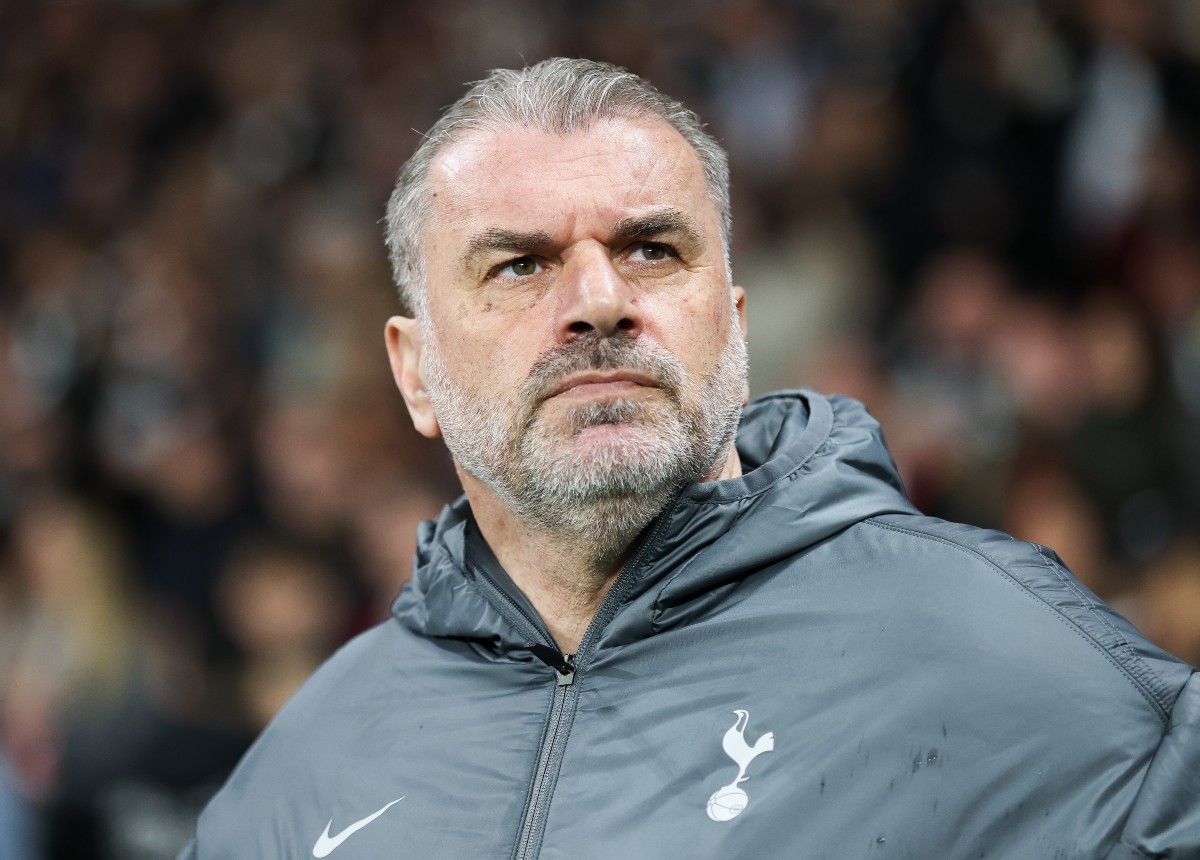
Conte, in a particularly fiery outburst before his own exit, directly blamed the club’s ownership and a two-decade lack of trophies. He passionately questioned why consistent failure wasn’t being addressed, pointing fingers at a cycle of shifting blame and a lack of accountability.
Conte’s frustration extended to the playing squad, lamenting a perceived lack of quality and questioning the club’s approach to the transfer market. He felt a fundamental disconnect between ambition and execution, a problem he believed was deeply ingrained within the organization.
Even the usually diplomatic Jose Mourinho couldn’t mask his lack of affection for his time at Tottenham. While praising his connections with other former clubs, he conspicuously excluded Spurs, citing the empty stadium during the pandemic and a perceived unwillingness from the chairman to allow him to secure silverware.
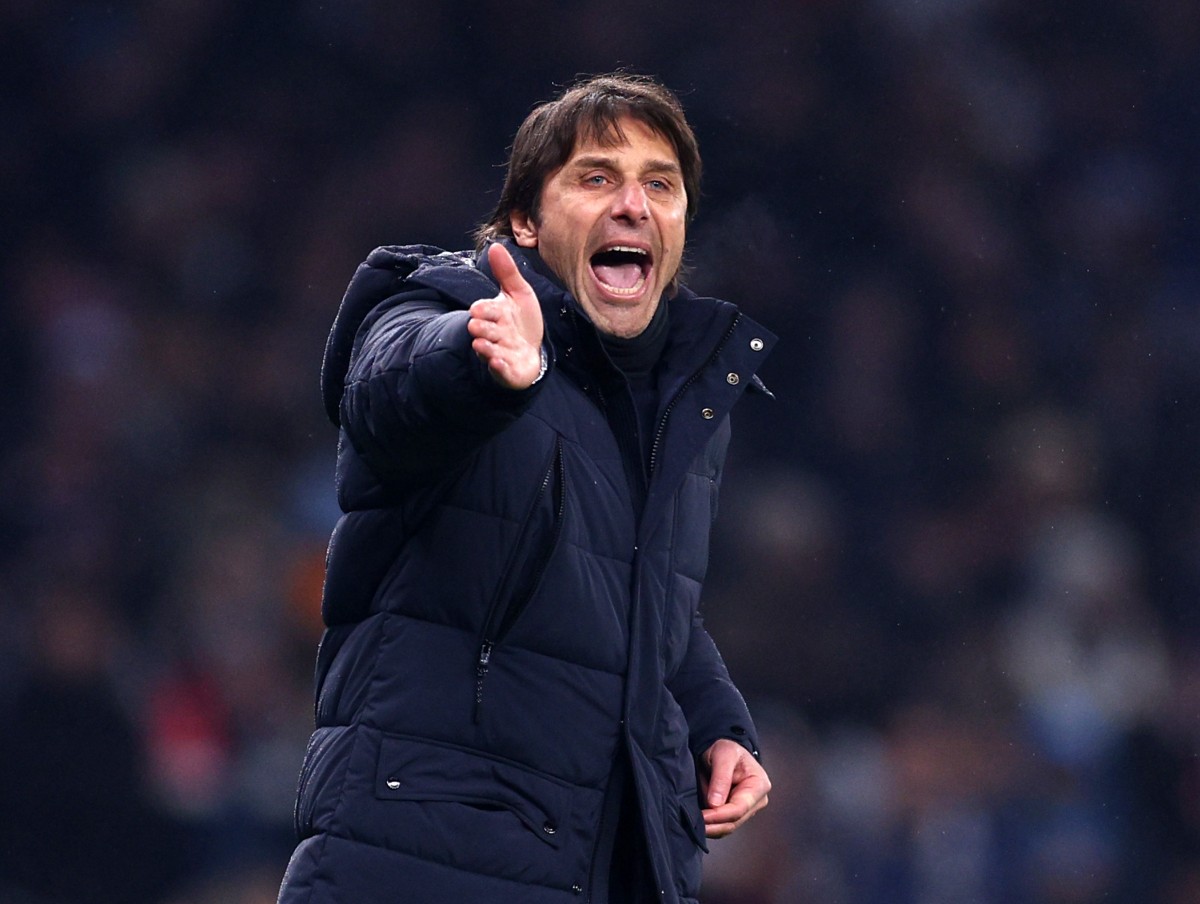
Mourinho’s comments, though relatively restrained for him, highlighted a crucial point: a lack of tangible success and a feeling of being unable to fully connect with the club. This sentiment underscores a recurring theme among those who have led Tottenham.
Interestingly, Mauricio Pochettino offers a contrasting perspective. Despite also being sacked, he speaks highly of Daniel Levy and acknowledges the significant progress the club has made under his leadership over the past two decades.
Pochettino’s positive assessment stands as an anomaly, a testament to a unique relationship. However, the overwhelming chorus of discontent from Postecoglou, Conte, and Mourinho paints a clear picture: Tottenham faces deep-rooted cultural challenges that continue to hinder its pursuit of sustained success.
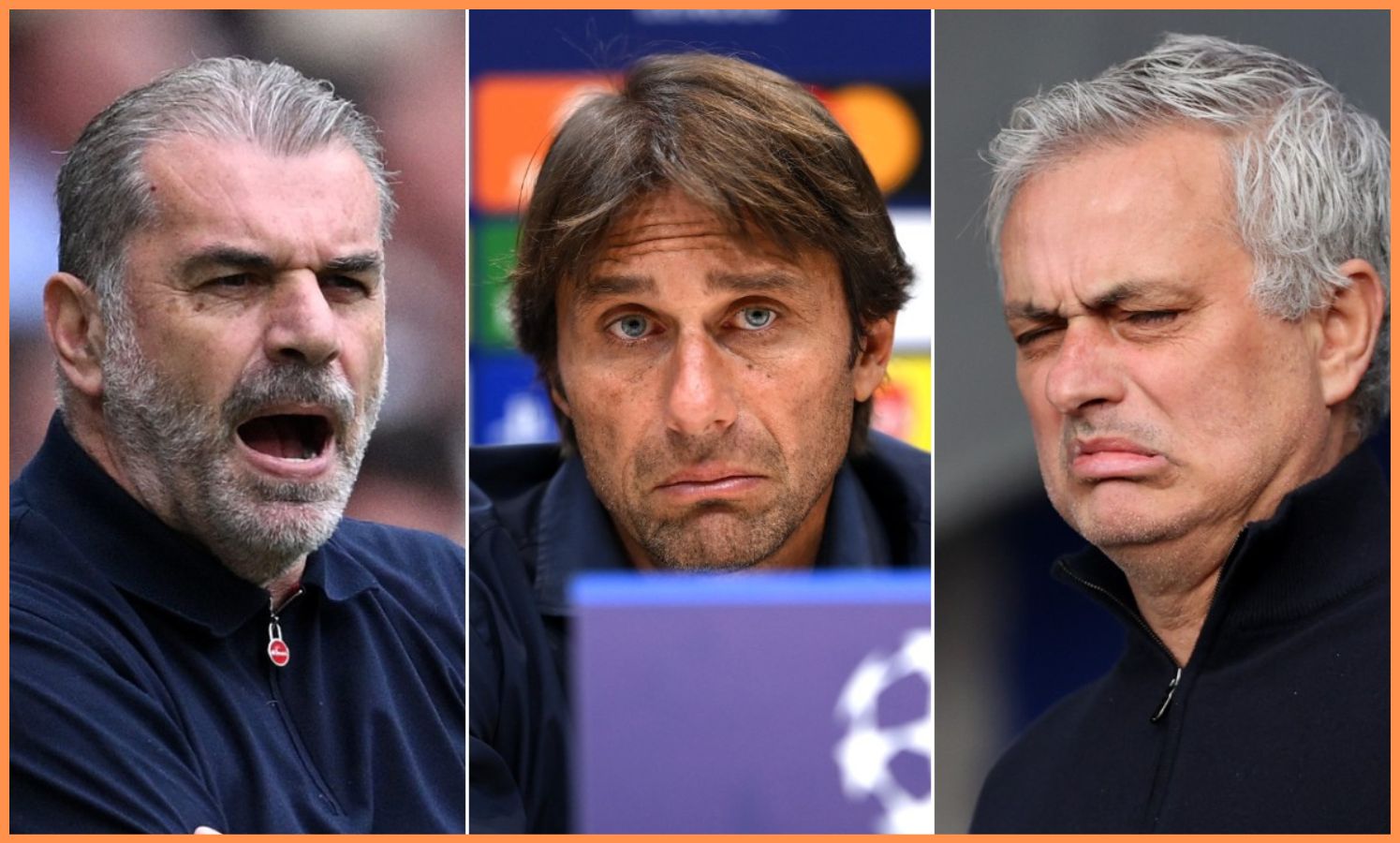
The repeated cycle of hiring and firing top managers suggests the problem isn’t simply a lack of coaching talent, but something far more fundamental within the club’s structure and philosophy.