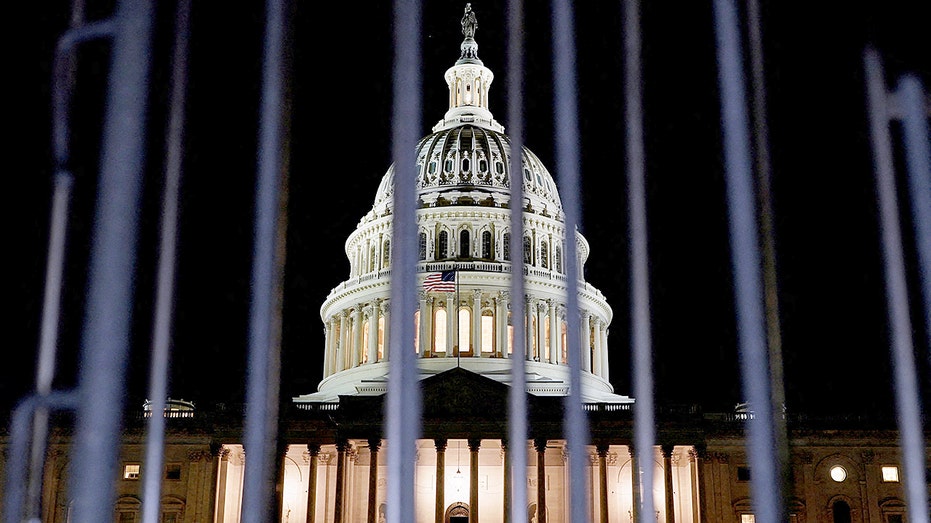
A quiet confidence is spreading through Democratic circles as they aggressively expand their target list for the upcoming midterm elections. The battle for control of the House, currently held by Republicans with a precarious 218-214 margin, is intensifying, and Democrats see opportunities where others see only obstacles.
The Democratic Congressional Campaign Committee has added five new districts – in Colorado, Minnesota, Montana, South Carolina, and Virginia – to their list of vulnerable Republican seats. This brings the total number of targeted districts to 44, all areas where President Trump won by a margin of 13 points or less in the recent election. A clear signal: Democrats believe the political landscape is shifting.
“Democrats are on offense,” declared DCCC Chair Suzan DelBene, “and our map reflects the fact that everyday Americans are tired of broken promises and ready for change.” The party is capitalizing on a surge of energy, fueled by a focus on economic anxieties and a string of recent victories in special elections.
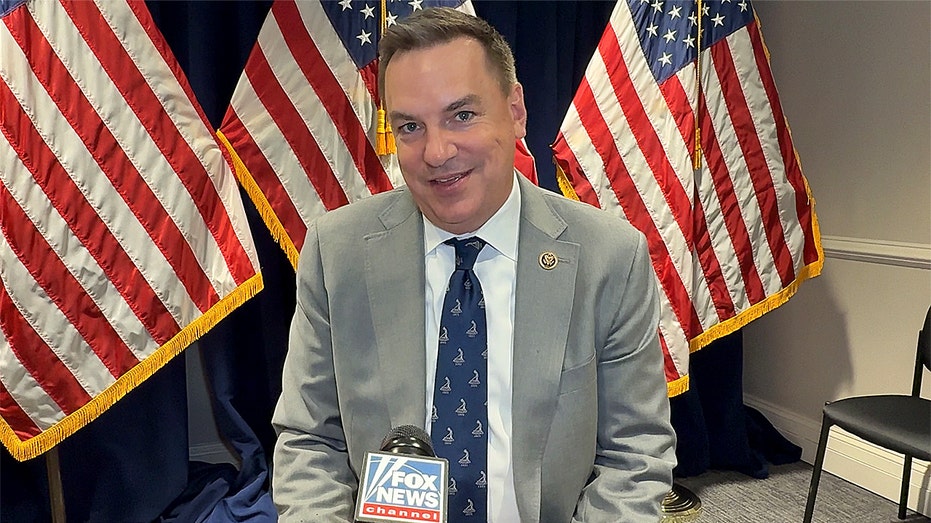
Republicans, however, dismiss the Democratic optimism as wishful thinking. Representative Richard Hudson, chairman of the National Republican Congressional Committee, scoffed at the expanded map, calling it “fiction.” He insists the real opportunities lie with seats currently held by Democrats, where Trump performed strongly.
Hudson argues that the Democrats’ strategy is simply a fundraising tactic, a way to appeal to donors. He remains steadfast in his belief that the map favors Republicans, pointing to the economic policies enacted under Trump that are beginning to deliver tangible benefits to working-class voters.
The GOP is betting that tax cuts and policies designed to boost prosperity will resonate with voters as they navigate tax season. They are actively working to mobilize their base, recognizing that turnout among Trump supporters can be unpredictable in non-presidential election years.
Despite historical headwinds – the party in power often faces setbacks in midterms – Republicans are determined to hold the line. They are leaning heavily on Trump’s continued popularity and his commitment to campaigning for House candidates, hoping to replicate the success of 2024 when economic concerns propelled them to victory.
The latest polls show Democrats with a slight advantage in the generic ballot, but Hudson downplays their significance. He remains “very bullish,” confident that the Republican message of economic opportunity will ultimately prevail. The coming months will reveal whether that confidence is justified.
A key factor will be the economy. While Republicans initially benefited from concerns about the cost of living, recent data indicates that inflation is easing. However, many Americans still feel financially strained and pessimistic about the future, creating a volatile and unpredictable electorate.
The stakes are high. Control of the House hangs in the balance, and both parties are preparing for a fierce and closely contested battle. The outcome will not only shape the legislative agenda for the next two years but also serve as a crucial indicator of the nation’s political direction.