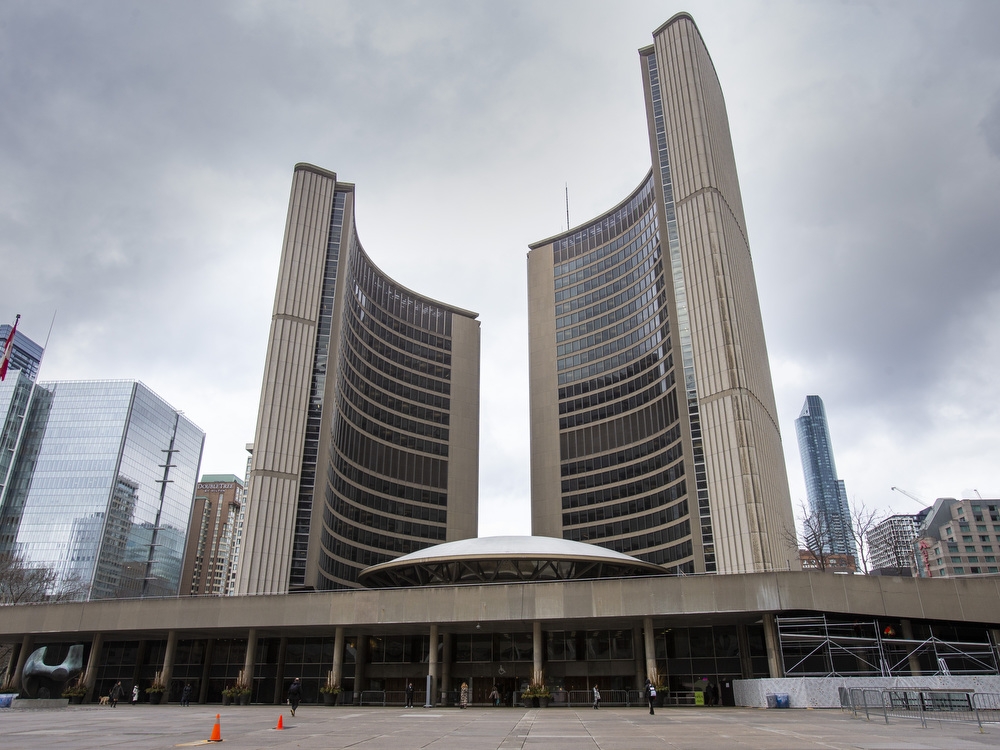
A quiet experiment unfolded on Toronto’s streets last year, one shrouded in secrecy and marked by a growing sense of frustration at City Hall. While the province approved a pilot project for driverless vehicles, key city councillors were left completely in the dark – discovering the automated machines were already navigating their city only after they were actively deployed.
The story began to unravel with a delayed freedom-of-information request, revealing a series of emails between city officials and the provincial Ministry of Transportation. At the heart of the matter was Magna International, the auto manufacturer conducting the four-month trial in a central area of Toronto. A crucial letter outlining the conditions of approval, sent by the ministry to Magna, was initially withheld from city council members.
On May 8th, councillors publicly voiced their concerns, expressing dismay at not being informed about the specifics of the Magna pilot. Despite falling under provincial jurisdiction, the lack of transparency sparked immediate questions about oversight and accountability. A deputy general manager at Toronto’s transportation services division quickly requested access to the withheld letter, initiating a back-and-forth with the ministry.
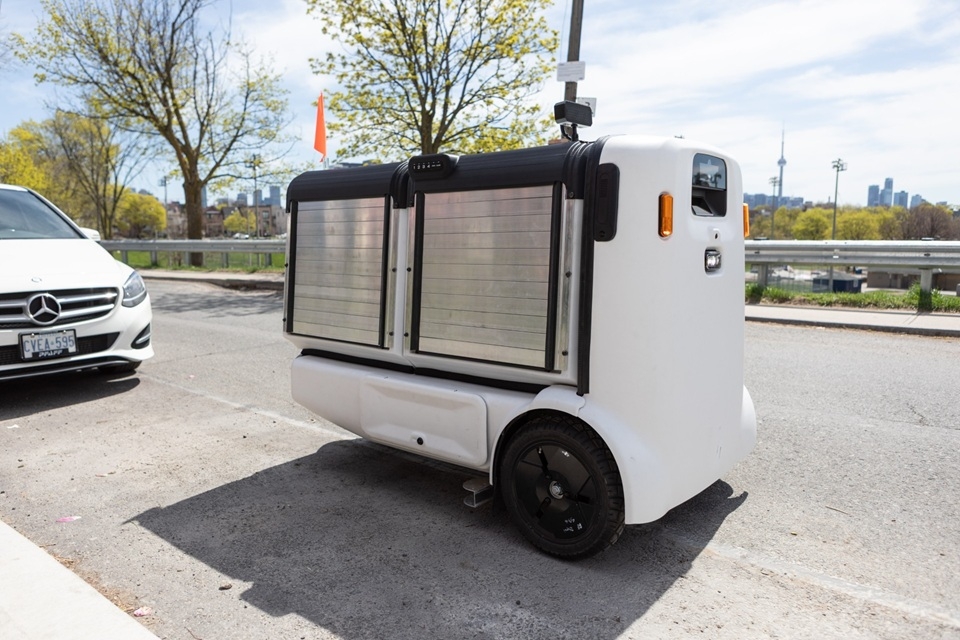
The ministry, while ultimately granting access, insisted the documents be treated as “confidential,” even after the pilot project had already begun. This raised further anxieties, particularly regarding data privacy. The vehicles were equipped with cameras, but the ministry’s letter lacked specific details about the collection and use of photo and video footage, offering only broad assurances about adhering to privacy laws.
Safety was another pressing concern. While a speed restriction of 32 km/h and the presence of a human supervisor in a “chase vehicle” were publicly known, a classified document revealed further restrictions. The vehicles were prohibited from carrying “dangerous goods,” and the ministry demanded regular safety reports and data updates. However, these measures felt insufficient to some.
Internal communications revealed a series of concessions made to Magna, even in the face of city concerns. Restrictions on left turns and operation in snowy conditions were added, along with a QR code providing access to a “privacy and collection notice.” Yet, the ministry refused to block off busy sections of Bloor Street or restrict travel during peak hours, citing challenges to data collection and delivery services.
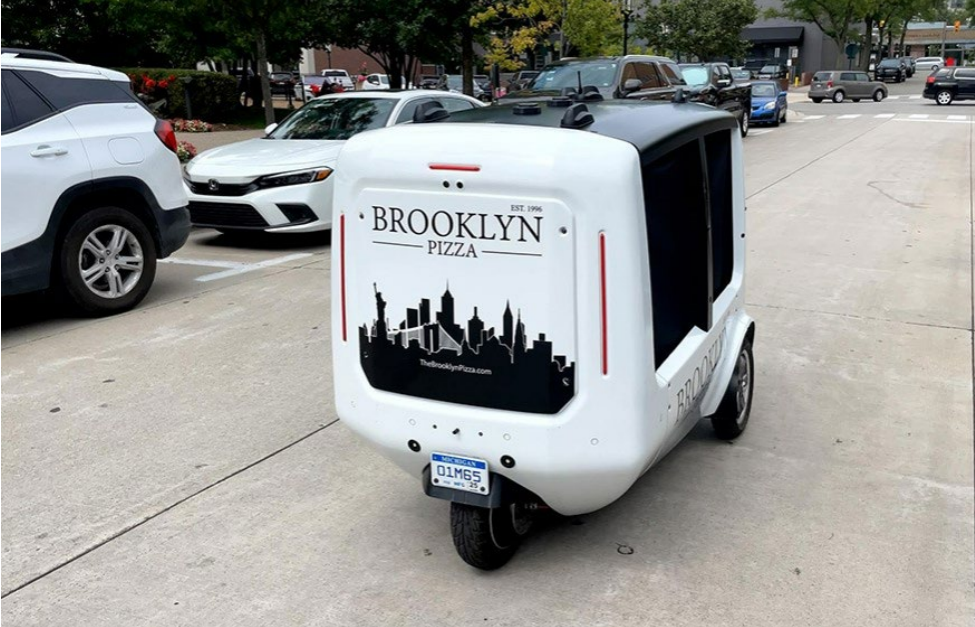
This information arrived on the very day the program launched, leaving city officials scrambling to address potential issues. Toronto Police also expressed concerns, particularly regarding liability in the event of a collision. The question of who would be charged – the vehicle owner or another party – remained unanswered, with the ministry stating that “driver charges are not likely to be laid where there is no driver.”
City Hall anticipated public scrutiny, acknowledging the potential for controversy due to safety concerns and the vehicles’ slow speed, which contrasted sharply with the city’s ongoing battle against congestion. The situation highlighted a fundamental tension between technological advancement and the need for open communication and public trust.
When questioned about the timeline and communication with city councillors, the Transportation Ministry offered a brief statement emphasizing close collaboration with municipalities. Magna International described the pilot as a “valuable test bed” for autonomous delivery technologies, expressing gratitude for the support of government partners. But the lingering questions about transparency and oversight remained, a stark reminder of the challenges inherent in navigating the rapidly evolving world of driverless technology.