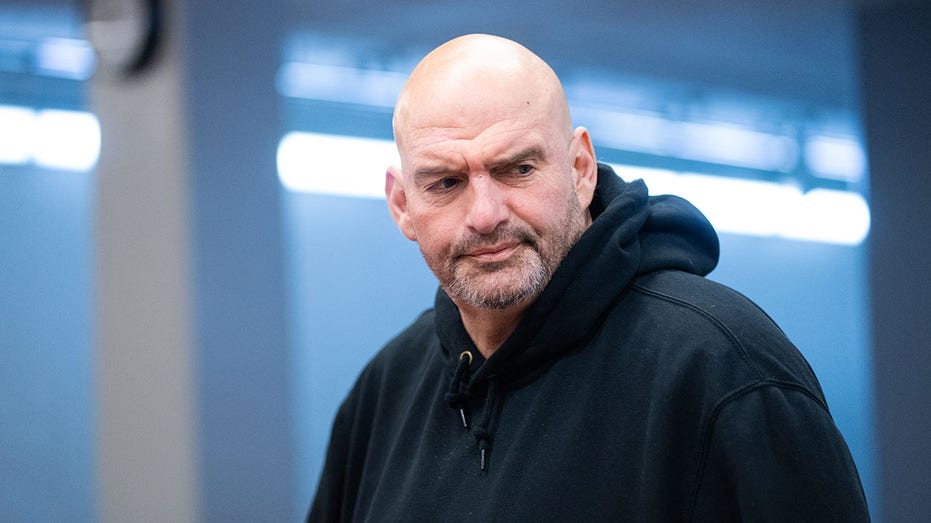
A quiet rebellion is brewing within the Senate, led by an unlikely figure: Pennsylvania’s John Fetterman. He’s once again diverging from the established lines of his party, this time regarding a contentious voter ID bill rapidly gaining traction.
Senate leadership, spearheaded by Chuck Schumer, has vehemently opposed the Safeguarding American Voter Eligibility (SAVE) Act, which recently passed the House. Schumer has labeled the legislation a modern-day echo of Jim Crow, claiming it’s designed to suppress voting rights rather than bolster election security.
Fetterman, however, publicly distanced himself from Schumer’s inflammatory rhetoric. In a direct response, he stated he would “never refer to the SAVE Act as like Jim Crow 2.0,” emphasizing a desire for respectful debate and rejecting what he considers overly charged language.
The SAVE Act proposes several key changes to voting procedures. These include requiring photo identification at the polls, in-person proof of citizenship during voter registration, and the systematic removal of non-citizens from voter rolls – measures proponents believe will enhance election integrity.
Republican support for the bill is solidifying. Senator Susan Collins of Maine became the 50th Republican to publicly endorse the legislation, signaling a strong push for its passage. Despite this momentum, Democrats appear poised to block the bill through the use of a filibuster.
While Fetterman stopped short of outright endorsing the bill, he highlighted a compelling statistic: “84% of Americans have no problem with presenting IDs to vote.” He argued this demonstrates the idea isn’t radical, and that many states already require some form of identification.
Even with Fetterman’s potential support, the bill faces an uphill battle. Overcoming the Senate’s 60-vote filibuster threshold currently seems improbable, requiring a significant shift in the political landscape.
Adding another layer to the complexity, Fetterman also expressed reservations about eliminating the filibuster altogether. He pointed out the hypocrisy of his own party, which previously advocated for its removal but now seeks to preserve it while in the minority.
“We were very wrong about that to nuke the filibuster,” Fetterman admitted, acknowledging a past position he now believes was misguided. He urged humility and a recognition of the party’s evolving stance on this crucial procedural rule.
Fetterman’s willingness to challenge his party’s orthodoxy is becoming a defining characteristic of his time in the Senate, raising questions about the future direction of the Democratic party and the potential for bipartisan compromise.


