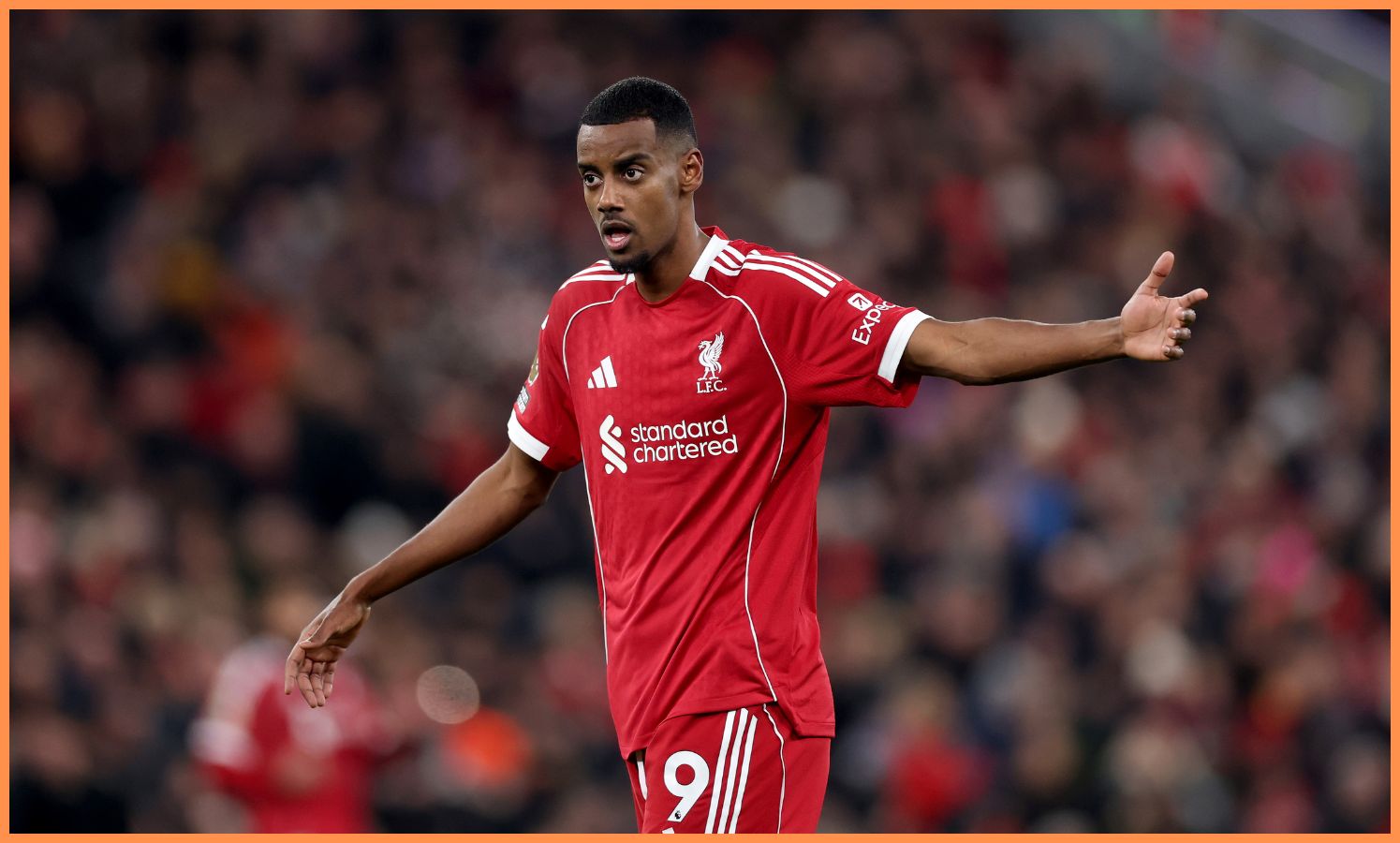
Alexander Isak isn't just a striker; he’s an anomaly. In a game often celebrating power and brute force, Isak embodies a rare blend of finesse and clinical finishing. He’s a player who quietly dismantles defenses, a ‘unicorn’ forward whose efficiency speaks volumes, yet headlines too often focus on setbacks rather than his undeniable brilliance.
The narrative surrounding Isak has, unfortunately, become entangled with injury concerns. But to understand the current situation, we must rewind – back to his origins in Sweden and the early career that propelled him onto the European stage.
Born in Solna, Sweden, on September 21, 1999, Isak’s footballing identity was forged within the Stockholm metropolitan area. Though his parents hail from Eritrea, his citizenship and upbringing are distinctly Swedish, rooted in a comprehensive football system that nurtured his talent from a young age.
Isak’s development began at AIK, a historic Swedish club, where he enrolled in the academy at just six years old. A decade of dedicated training culminated in a remarkable debut for the senior team, quickly establishing him as a prodigious talent. He became the youngest-ever goal scorer in AIK’s history, shattering records and announcing his arrival with breathtaking speed.
The 2016 season was a revelation. At only 16, Isak wasn’t merely a prospect; he was a force, netting 10 goals in 24 Allsvenskan matches. Even then, his positional intelligence was striking – a central striker who resisted the urge to drift wide, a characteristic that hinted at his potential in elite leagues.
The leap to Europe presented challenges. His initial stint at Borussia Dortmund involved limited playing time, but Isak responded with unwavering dedication, honing his skills and building resilience. A pivotal moment arrived with a loan to Willem II in the Netherlands, where he etched his name into Eredivisie history, becoming the first foreign player to score 12 goals in his first 12 league appearances.
This explosive form paved the way for a move to Real Sociedad, where Isak blossomed into a complete striker, refining his game and solidifying his reputation. His transfer to Newcastle United marked his definitive arrival in the Premier League.
On Tyneside, Isak’s efficiency was undeniable. He quickly became one of the league’s most prolific scorers, second only to Erling Haaland in non-penalty goals. He even surpassed Zlatan Ibrahimovic’s record for most Premier League goals by a Swedish player, cementing his status as a rising star.
Tactically, Isak possessed a rare “gravity,” drawing defenders and creating space for teammates like Jacob Murphy. Their partnership proved remarkably effective, registering the highest statistical combination of assists to goal scorers during their peak. By 25, experts valued him in the £120-150 million range.
Then came the record-breaking move to Liverpool in September 2025, a transfer fee of £125 million and the prestigious No. 9 shirt. The expectations were immense. Unlike Newcastle, where he was a high-potential player, at Liverpool, he was expected to be an instant sensation.
However, a disrupted preseason, spent forcing the transfer and training in isolation, left him physically unprepared for the demands of a title-contending squad. The initial struggles amplified the pressure, setting the stage for a devastating blow.
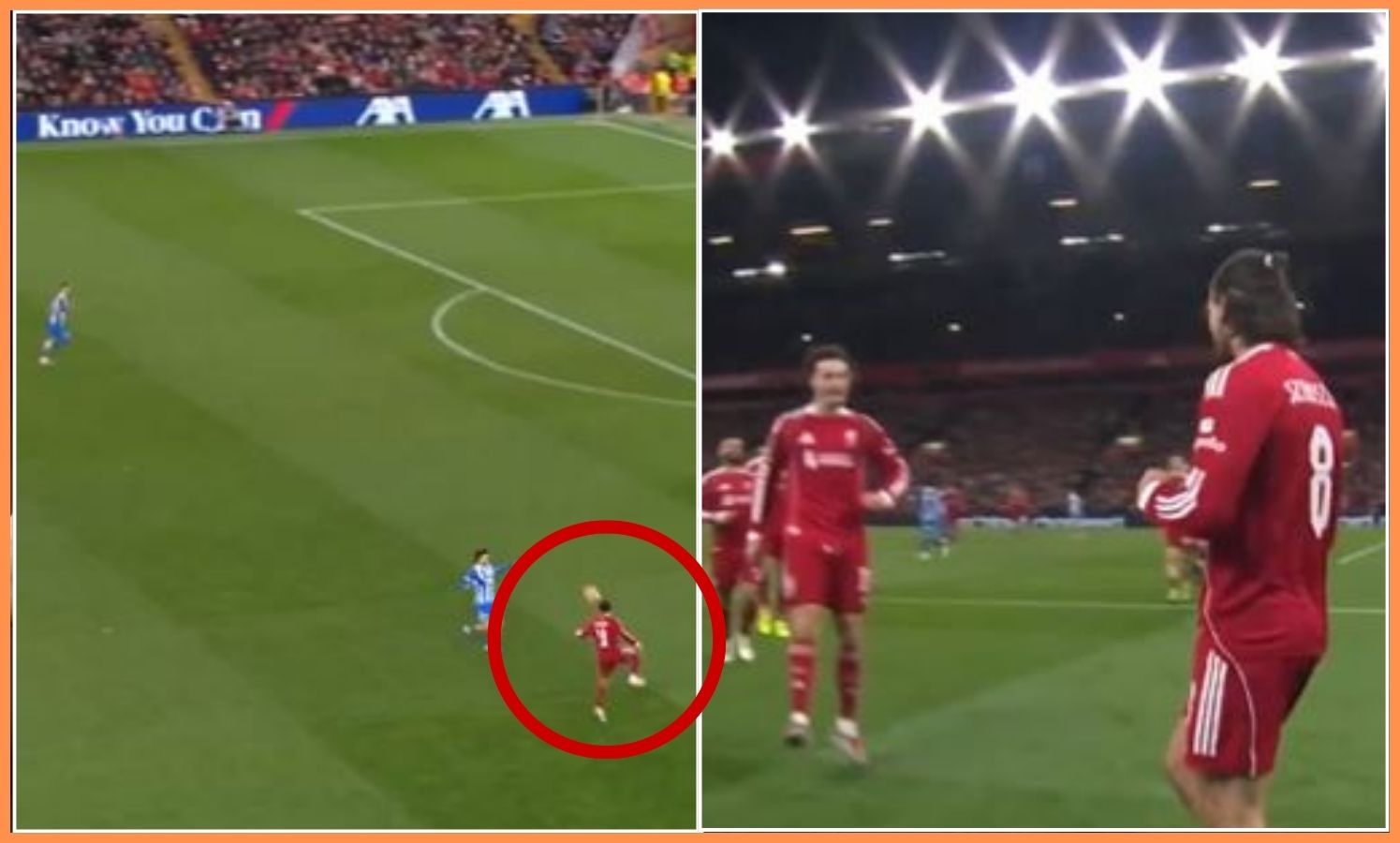
During Liverpool’s 2-1 victory over Tottenham Hotspur on December 20, 2025, disaster struck. While scoring a goal, Isak’s left ankle was trapped in a challenge, resulting in a fibula fracture. The diagnosis confirmed the worst fears – a significant injury requiring surgery.
A plate was inserted to stabilize the ankle, and ligaments were repaired. Liverpool ruled him out indefinitely, estimating a minimum absence of 10 matches, extending until February 11, 2026. The focus now is on preventing long-term instability in the joint.
Isak’s absence has profound tactical implications for both Liverpool and the Swedish national team. Arne Slot’s system at Liverpool relies heavily on Isak’s ability to disrupt defensive lines, creating opportunities for wingers like Florian Wirtz. Without that crucial element, the team’s overall effectiveness diminishes.
Sweden’s World Cup qualification campaign is similarly impacted. Head coach Graham Potter is adopting a cautious approach, prioritizing Isak’s long-term availability over immediate national team participation, refusing to risk consecutive full matches upon his return.
The story of Alexander Isak, from his Swedish roots to his record-breaking transfer, is a testament to his exceptional talent and unwavering dedication. When fully fit, his impact is immeasurable. But the path forward requires patience and a meticulous rehabilitation process.
Fibula fractures demand consistent training loads and a careful, measured return to play. If Liverpool can successfully navigate his recovery, Alexander Isak remains the central figure poised to define the club’s future – a future built on the brilliance of a truly unique striker.