The ice isn’t just cold at the Winter Olympics; a fierce rivalry is rapidly heating up between the Canadian and Swedish men’s curling teams. What began as a battle for points has spiraled into a war of accusations, fueled by suspicion and sharp words.
The initial spark ignited Friday night in Italy. During a tense match, Sweden’s Oskar Eriksson publicly accused Canada’s Marc Kennedy of a blatant violation: illegally touching the stone after releasing it. The claim, made within earshot of the Canadian team, immediately set off a firestorm.
Kennedy’s response was immediate and forceful. He vehemently denied the accusation, telling Eriksson to “f— off.” The exchange escalated, with Kennedy questioning Eriksson’s behavior, accusing him of distracting theatrics while the Canadians prepared their shots. The tension was palpable, a raw display of competitive intensity.
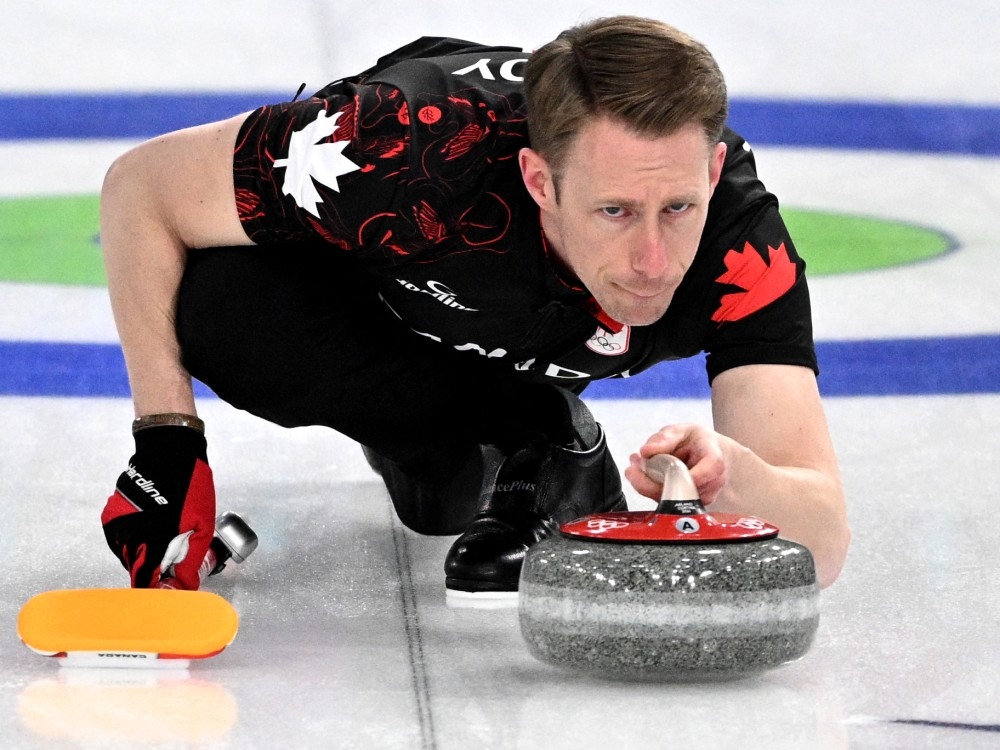
The accusations didn’t stop there. The following day, the Canadian team leveled a serious charge against Sweden: illegally filming the hog line during the match. This alleged attempt to catch Canadians in a violation added another layer of complexity to the already volatile situation.
Eriksson explained the core of the dispute, emphasizing the strict rules surrounding stone contact. According to curling regulations, only the handle can be touched after release. Any contact with the stone itself – by hand, foot, or broom – results in a “burnt rock” and its removal from play.
Kennedy, while respecting Eriksson as a competitor, dismissed the cheating allegations as “horsesh–.” He felt his team was unfairly targeted, especially during a critical moment in the game. While he later expressed regret for his language, he stood firm in defending his team’s integrity.
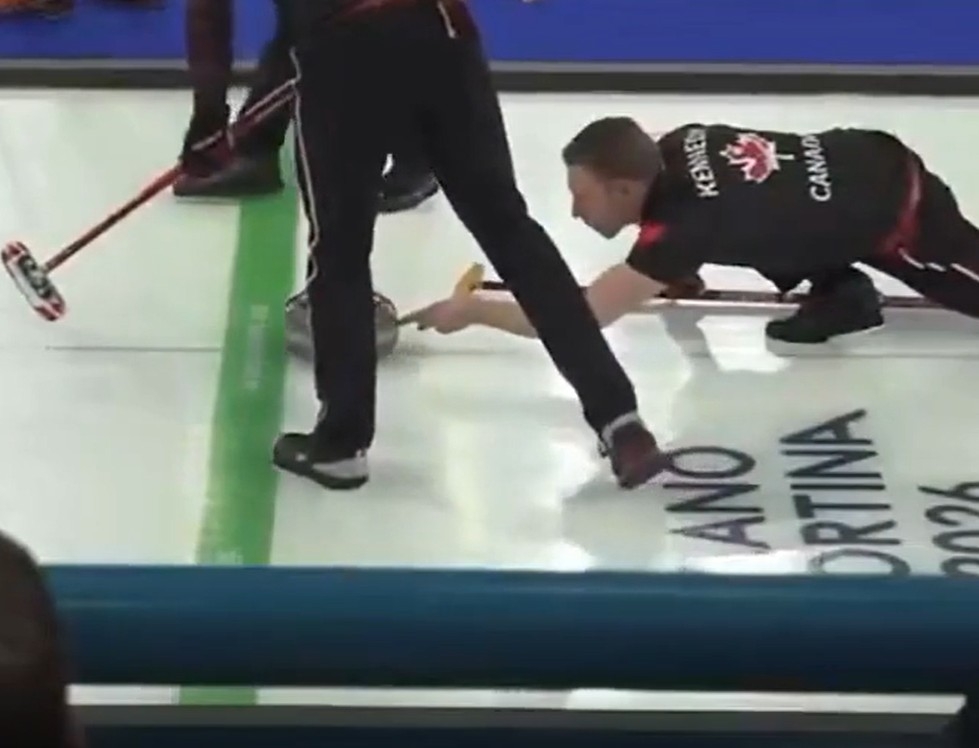
World Curling officials responded to the Swedish complaint by closely monitoring both teams’ deliveries for three ends. Their conclusion? No hog line violations or illegal stone touches were observed. However, a verbal warning was issued to Canadian officials regarding Kennedy’s profanity, with a threat of further sanctions.
The controversy took a bizarre turn when Kennedy suggested the Swedes had a pre-planned strategy to catch Canadians cheating. A video surfaced online, appearing to show Kennedy stretching a finger towards a released stone, fueling the debate. Sweden denied any involvement in the recording, claiming it originated from their public broadcaster.
Only the official Olympic Broadcasting Services (OBS) is authorized to film events. The presence of unauthorized footage raised serious questions, prompting Curling Canada CEO Nolan Thiessen to call the situation “odd.”
The ripple effects of this escalating feud weren’t confined to the men’s tournament. During a women’s match, Canadian skip Rachel Homan had a rock removed from play after an official spotted her seemingly touching it post-release. Homan vehemently protested the call, claiming no contact and criticizing the official’s intervention.
“I don’t understand the call,” Homan stated, clearly frustrated. “I’ll never understand it. Never done that.” The incident underscored the heightened scrutiny and pressure surrounding these Olympic curling matches, a consequence of the intense rivalry and accusations that have gripped the sport.
What began as a competition has transformed into a captivating drama, a story of accusations, denials, and simmering resentment playing out on the Olympic stage. The ice may be smooth, but the atmosphere is anything but.