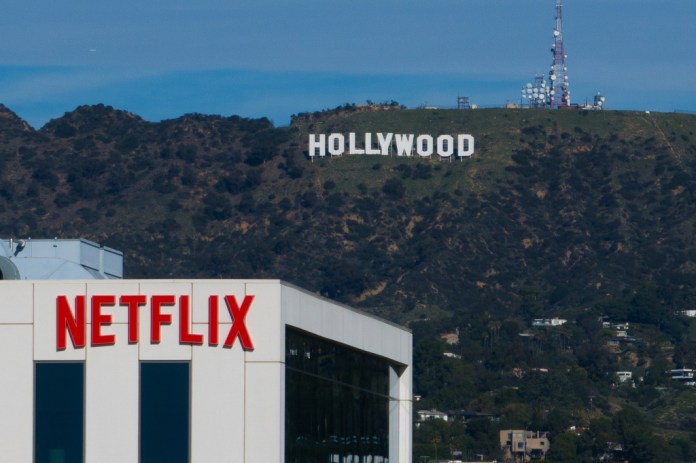
The iconic Hollywood sign stood as a silent witness as a new challenge emerged for Netflix, a legal battle mirroring one filed just months prior. This latest suit arrives amidst intense scrutiny of a proposed merger, already under the watchful eye of federal antitrust regulators.
The Justice Department has begun a deep dive into the potential consequences of the deal, issuing subpoenas to key players in the industry. The central question: could this merger solidify a monopoly in the rapidly evolving world of streaming entertainment?
Republican lawmakers have voiced strong concerns, questioning whether the merger would stifle competition. Senator Eric Schmitt directly challenged Netflix co-CEO Ted Sarandos, demanding justification for a deal that could amplify the company’s already considerable market power.
Schmitt’s skepticism centered on the idea of granting approval to a transaction that could further consolidate control within the global entertainment landscape. He questioned the rationale behind empowering an already dominant force.
The proposed merger envisions a transfer of Warner Bros. Discovery’s studios and streaming assets to Netflix, while shedding certain traditional television holdings. Proponents argue this combination will broaden consumer choices and enhance competitiveness against rivals like social media platforms and conventional television.
However, not all stakeholders are convinced. Privately, some significant Netflix investors have expressed opposition, believing the company should prioritize strengthening its original content pipeline rather than pursuing expansive acquisitions.
One wealth management investor, speaking anonymously, revealed a growing unease. Netflix’s stock performance has lagged behind the broader market, returning to levels not seen since early 2024, fueling investor anxieties.
While consumer antitrust lawsuits are legally permissible, experts caution that securing a victory can be an uphill battle. Nevertheless, the mounting public resistance arrives during a period of heightened sensitivity surrounding antitrust enforcement.
Recent internal disagreements within the Justice Department, culminating in the departure of a key official, underscore the complexities of navigating antitrust oversight. The situation has prompted Netflix to reinforce its Washington, D.C. lobbying and regulatory team.
The deal has also ignited a bidding war, with Paramount Skydance emerging as a competitor. Warner Bros. Discovery was granted a waiver to explore this alternative proposal, leading to renewed negotiations even as its board currently favors the Netflix agreement.
Paramount has sweetened its offer with financial incentives, attempting to address concerns among board members and present a compelling alternative. The stakes are high as Warner Bros. Discovery shareholders prepare to vote on the Netflix transaction next month.


