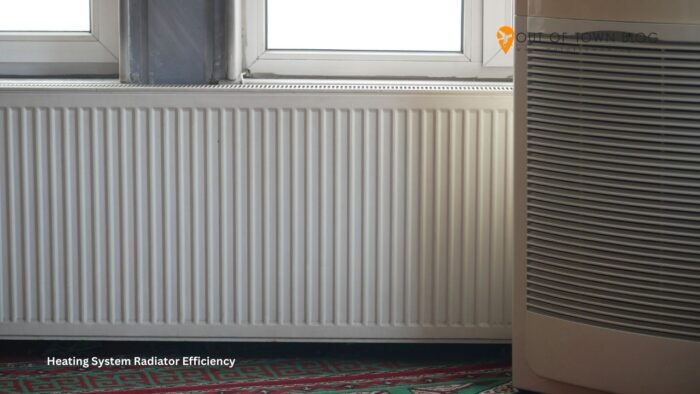
The chill of winter demands a warm embrace from our heating systems, and for many homes, that warmth originates with the humble radiator. But simply *having* a radiator doesn't guarantee a cozy room. Its effectiveness is a surprisingly delicate dance between size, placement, and the very shape of the space it’s meant to heat.
Imagine a small, perfectly insulated bedroom versus a cavernous living room with drafty windows. The same radiator, dutifully churning out heat, will struggle to make a dent in the larger space. Heat dissipates, lost to the volume of air and escaping through imperfections in the building’s shell. This isn’t just about brute force; it’s about matching the heat output to the thermal demands of the room.
Room volume is the primary factor. A larger room simply contains more air that needs warming. Calculating cubic footage – length x width x height – provides a crucial starting point. Heating professionals use this figure to determine the British Thermal Units (BTUs) needed, and consequently, the appropriate radiator size.
But volume isn’t the whole story. Layout plays a critical role. A long, narrow room presents a different challenge than a square one. Heat tends to rise and concentrate in the highest parts of the room, leaving colder pockets below and at the far ends of a stretched-out space.
Radiator placement is therefore paramount. Positioning a radiator under a window is a common strategy, combating the cold air that naturally descends from the glass. However, placing it on an exterior wall, rather than an interior one, maximizes heat transfer to the coldest surface.
Obstructions also matter. A sofa directly in front of a radiator will absorb much of the heat, preventing it from circulating effectively. Similarly, curtains that drape over a radiator will trap the warmth, reducing its reach and potentially creating dampness. Allowing for clear airflow is essential.
Ceiling height significantly impacts BTU requirements. A room with high ceilings has a much greater volume of air to heat than one with standard eight-foot ceilings. This means a larger radiator, or potentially multiple radiators, will be necessary to achieve consistent warmth throughout the space.
Consider the room’s purpose. A bathroom, requiring quick bursts of intense heat, benefits from a responsive radiator. A bedroom, needing a more gradual and sustained warmth, might be better served by a larger radiator operating at a lower temperature. Tailoring the heating solution to the room’s function optimizes comfort and efficiency.
Finally, the building’s insulation is a foundational element. Even the perfectly sized and positioned radiator will struggle in a poorly insulated home. Addressing drafts, upgrading windows, and adding insulation to walls and ceilings are crucial steps to maximizing the effectiveness of any heating system, and minimizing energy waste.