
For years, the surge in popularity of America’s national parks has led to a complex system of reservations and timed entries, designed to protect these treasured landscapes from being overwhelmed. But a shift is coming. In 2026, three of the nation’s most beloved parks will dramatically alter their access policies, offering a return to a more spontaneous style of exploration.
Yosemite National Park, Glacier National Park, and Arches National Park – consistently ranking among the most visited destinations in the country – have all announced the removal of their summer reservation requirements for 2026. This decision follows careful evaluation of visitor patterns and infrastructure capacity, signaling a move towards managing crowds in new ways.
Yosemite, a California icon and sixth most-visited park in 2024, experimented with reservation systems since 2020 to manage peak season congestion. Now, visitors will once again be able to enter without pre-planning, though park officials strongly advise strategic timing – favoring weekdays and monitoring real-time conditions for optimal access.
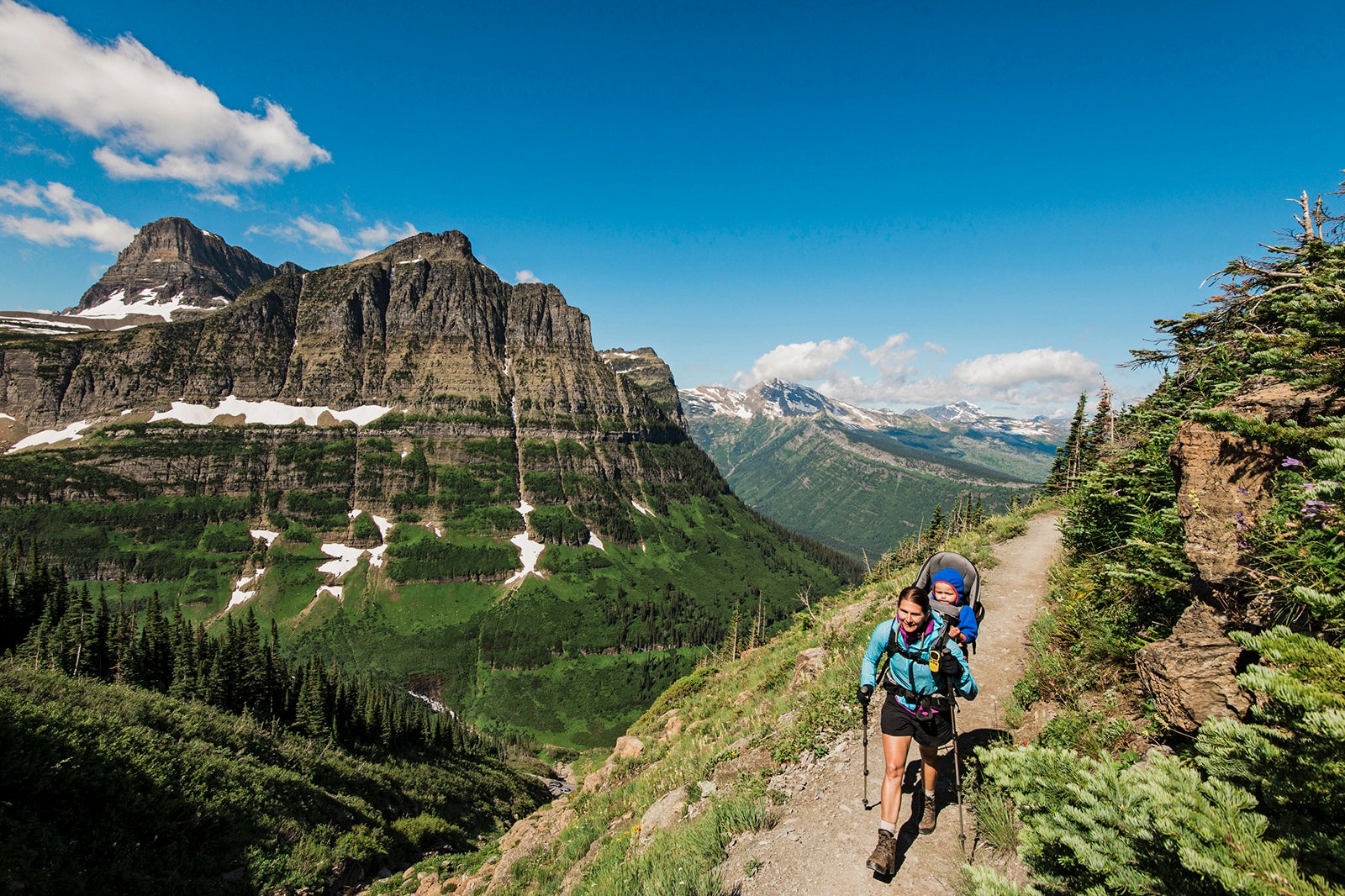
Glacier National Park in Montana, famed for its stunning alpine scenery, is also abandoning its park-wide vehicle reservation system. However, the park is preparing for potential congestion on its most popular routes, like the Going-to-the-Sun Road, and will implement temporary traffic diversions when safety thresholds are reached.
Arches National Park, known for its delicate sandstone arches and historically long entrance lines, will also eliminate timed entry reservations in 2026. This small but mighty park has struggled with overcrowding, and the change will require visitors to be prepared for potentially longer waits and busier trails, particularly during peak times.
The removal of these reservation systems offers a tantalizing prospect: greater flexibility for travelers. But it also comes with a caveat. Expect increased crowds, especially on weekends and during fee-free days. A return to careful planning – arriving early, exploring lesser-known areas, and being adaptable – will be key to a rewarding experience.

It’s important to note that not all parks are following suit. Rocky Mountain National Park in Colorado will continue its timed entry system throughout the 2026 high season, and Haleakala National Park in Maui still requires reservations for sunrise viewings. Access to specific areas within other parks, like Acadia’s Cadillac Summit Road or Zion’s Angels Landing, may also require separate reservations or even lottery entries.
The national park landscape is a dynamic one, with entry requirements constantly evolving. Thorough research before your trip is more crucial than ever. Consider visiting during the off-season or exploring lesser-known state parks to escape the crowds and discover hidden gems.
Ultimately, the goal remains the same: to preserve the beauty and tranquility of these national treasures for generations to come. Whether through reservation systems or proactive planning, responsible visitation is the key to ensuring that everyone can experience the wonder of America’s parks.


