A shadow of fear descended over Mexico this week, triggered by the death of Nemesio Oseguera Cervantes, known as “El Mencho,” the notorious leader of the Jalisco New Generation Cartel. The operation to capture him in his home state of Jalisco unleashed a terrifying wave of violence that gripped 20 states, forcing residents to seek shelter as a brutal cartel retaliated.
The response was swift and merciless. Cartel members erected over 250 roadblocks, effectively paralyzing vast stretches of the country. Businesses were deliberately set ablaze, vehicles became infernos, and a chilling tally of casualties began to rise, including a devastating loss of 25 National Guard troops in Jalisco alone.
Beyond the military personnel, the violence claimed the lives of a prison guard, a state prosecutor’s agent, and an unidentified woman, painting a grim picture of the cartel’s reach and ruthlessness. Authorities reported additional deaths in Michoacan and Jalisco, bringing the total number of fatalities to a deeply unsettling figure.
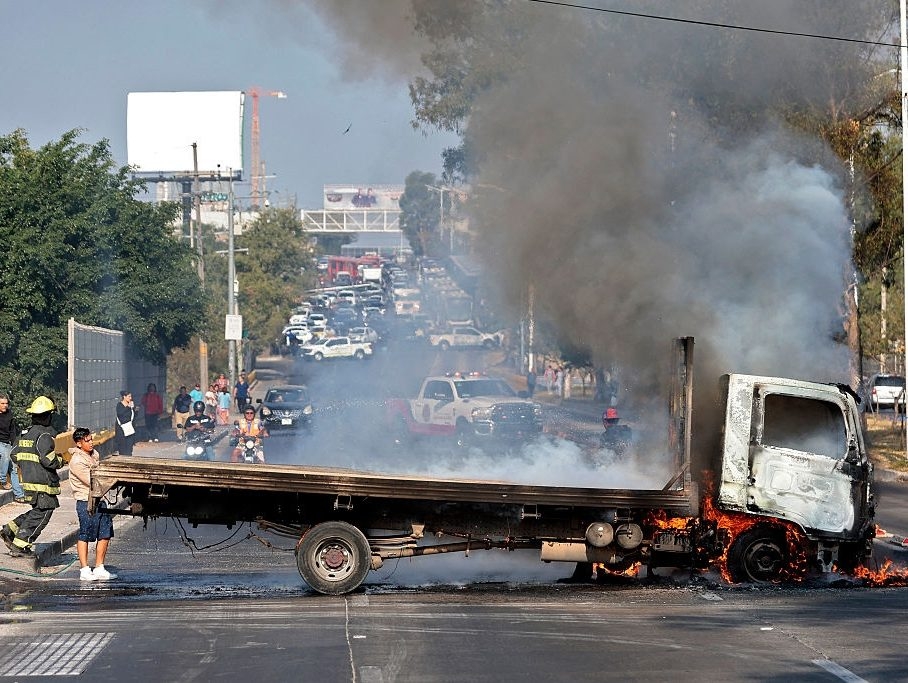
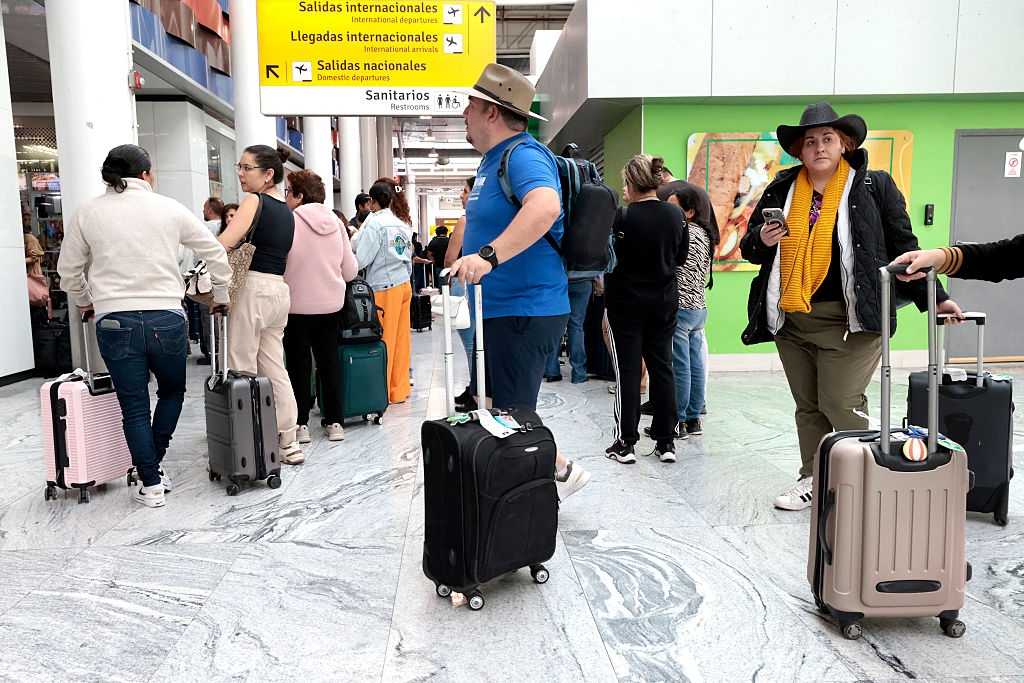
The unrest prompted urgent travel advisories, with Canadians in popular resort cities like Puerto Vallarta ordered to shelter in place. The Canadian government warned citizens to exercise extreme caution throughout Mexico, citing high levels of criminal activity and the ever-present threat of kidnapping. Airports operated with skeletal crews, and normally bustling cities fell eerily silent.
However, a fragile sense of normalcy began to return Monday. Roadblocks were cleared, and in Guadalajara, Mexico’s second-largest city, cars cautiously reappeared before sunrise, a stark contrast to the previous day’s complete lockdown. Schools remained closed across multiple states as authorities worked to restore order.
The death of El Mencho, long considered Mexico’s most wanted man and a key player in the fentanyl trade to the United States, represents a potential turning point. The U.S. had offered a $15 million reward for information leading to his capture, recognizing the devastating impact of his organization on both sides of the border.
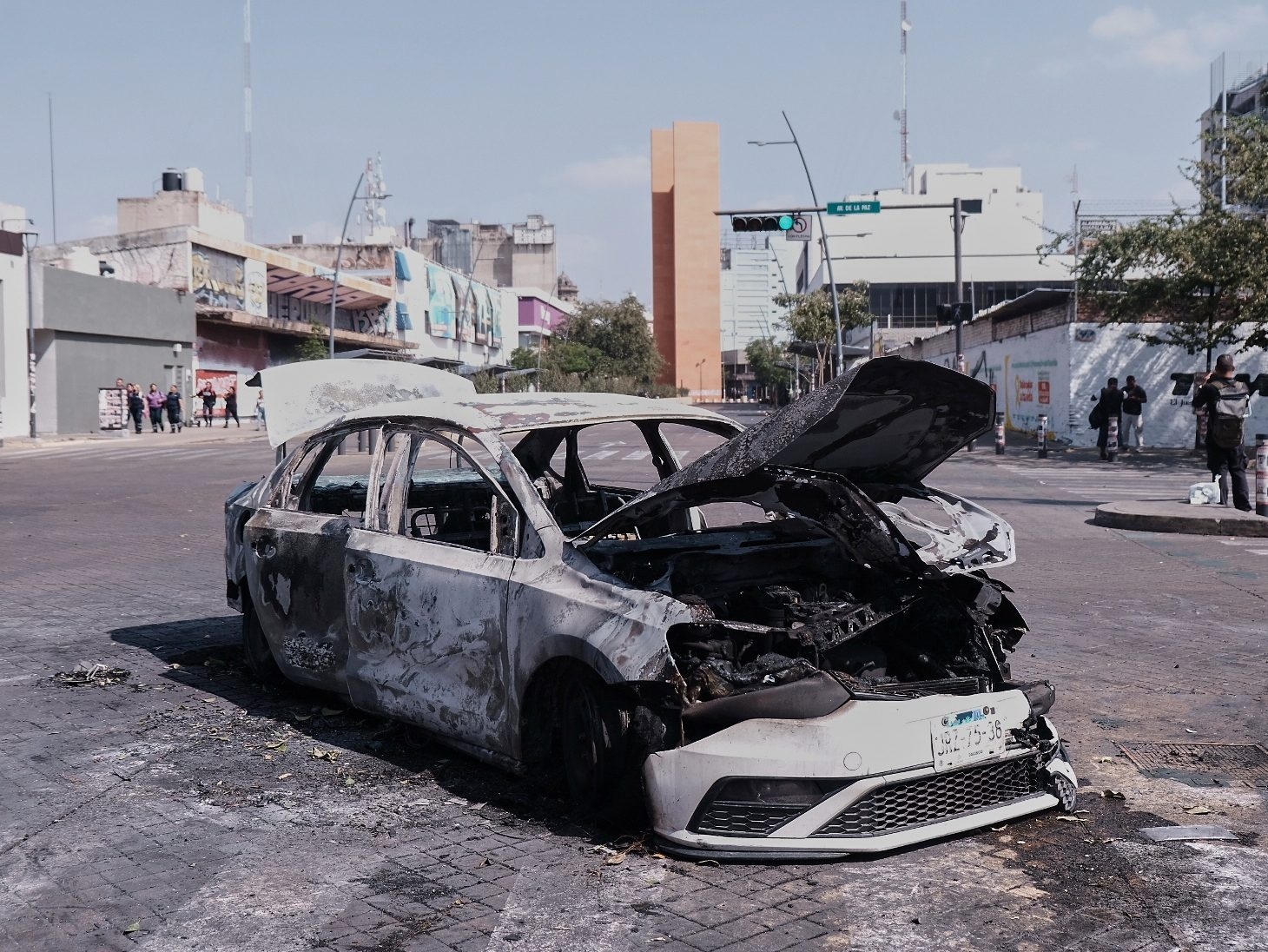
Experts suggest this moment could be a catalyst for further instability. With the CJNG weakened, rival cartels may attempt to exploit the power vacuum, vying for control and potentially escalating the violence. The Mexican military’s more aggressive stance under President Sheinbaum, while welcomed by the U.S., could inadvertently fuel this competition.
The operation to capture El Mencho unfolded with intense gunfire in Tapalpa, Jalisco. Four individuals were killed at the scene, and three more, including Oseguera Cervantes himself, succumbed to their injuries while being transported to Mexico City. The loss of this key figure signals a clear message to the U.S. – Mexico is capable of confronting its cartels, potentially lessening the need for external intervention.
Three Canadian airlines – WestJet, Air Transat, and Air Canada – had suspended flights to affected areas but are now cautiously resuming service to Puerto Vallarta and Guadalajara, following a thorough assessment of the current conditions. They remain vigilant, closely monitoring the evolving situation on the ground.
The coming days will be critical in determining whether this crackdown marks a genuine shift in Mexico’s fight against organized crime, or simply a prelude to a new and even more dangerous chapter of violence and instability.