A chilling wave of violence erupted across Mexico this weekend, triggered by the death of Nemesio Oseguera Cervantes, the notorious leader of the Jalisco New Generation Cartel – known as “El Mencho.” The operation to capture him in his home state of Jalisco turned deadly, unleashing a furious response from his cartel that plunged multiple regions into chaos.
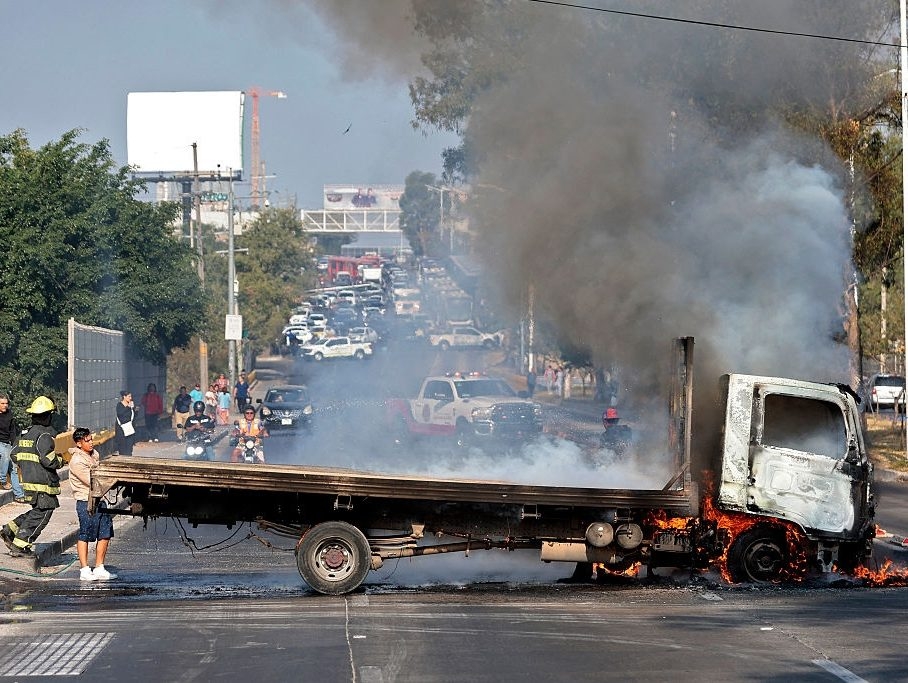
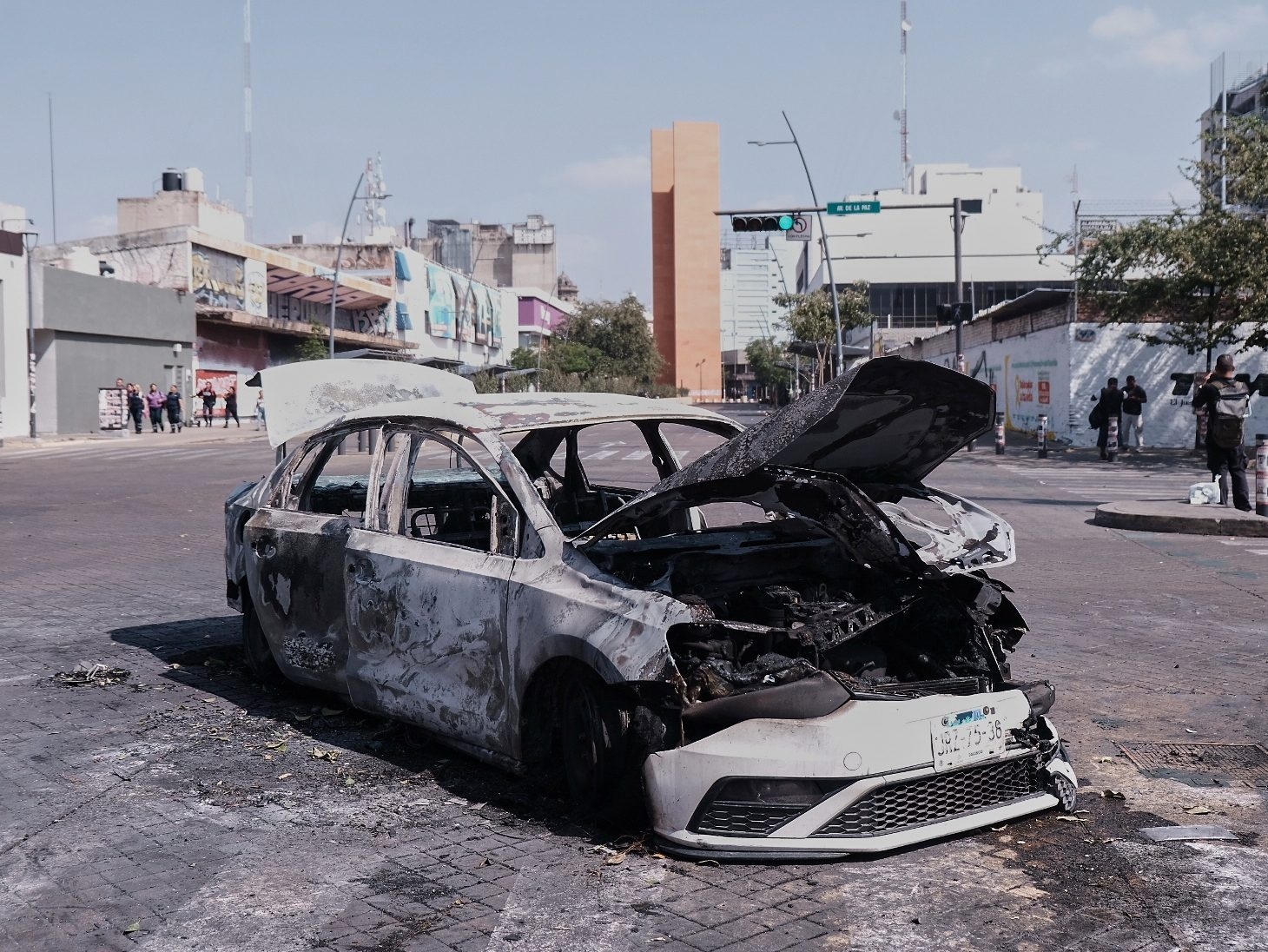
The fallout was immediate and brutal. Cartel members retaliated with widespread attacks, blocking roads, torching businesses, and setting vehicles ablaze in over 20 states. Tragically, 25 members of Mexico’s National Guard were killed in Jalisco alone, ambushed in six separate attacks following El Mencho’s death. Other casualties included a prison guard, a state prosecutor’s agent, and an unidentified woman.
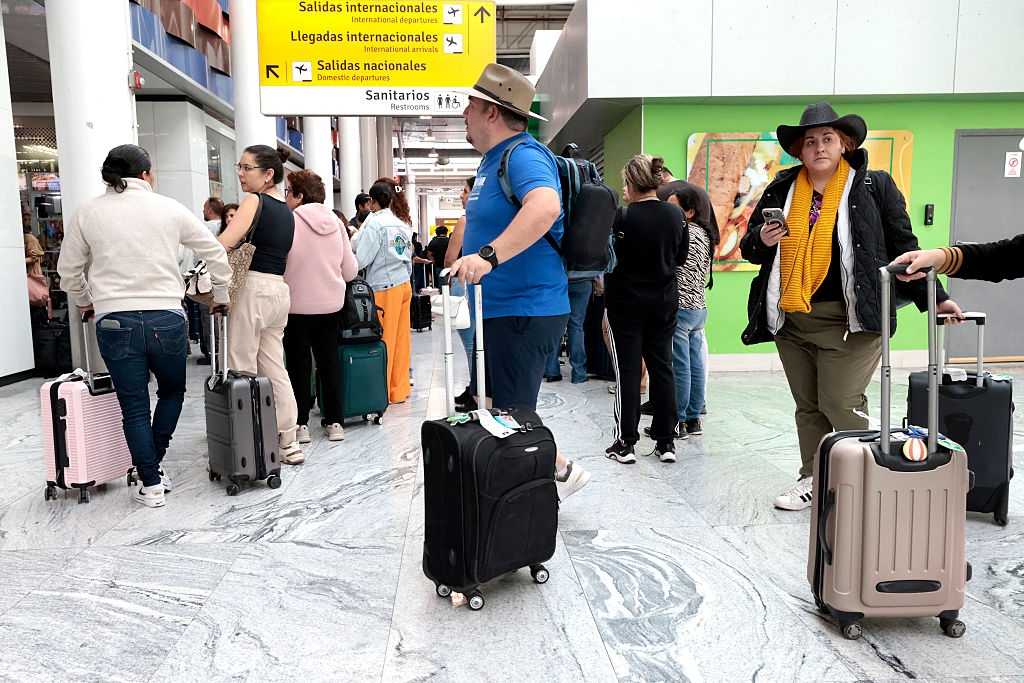
As the violence escalated, authorities urged citizens to shelter in place, and schools were closed across several states. The situation became particularly dire for tourists, including Canadians, in popular resort cities like Puerto Vallarta, where they were advised to exercise extreme caution and remain indoors. The airport in Puerto Vallarta operated with limited staff as the city braced for the worst.
El Mencho wasn’t simply a drug lord; he was a symbol of ruthless power. His cartel, the CJNG, had rapidly grown into one of Mexico’s most aggressive and feared criminal organizations, responsible for trafficking vast quantities of fentanyl, methamphetamine, and cocaine into the United States. He had also earned a reputation for violently silencing anyone who dared challenge his authority.
The Mexican military’s attempt to capture El Mencho involved a fierce shootout in Tapalpa, Jalisco. Four individuals were killed at the scene, and three more, including Oseguera Cervantes himself, succumbed to their injuries while being transported to Mexico City. The United States, which had offered a $15 million reward for information leading to his arrest, quickly praised Mexico’s military for its success.
However, the capture of El Mencho may not signal an end to the violence, but rather a dangerous turning point. Experts warn that rival criminal groups could exploit the CJNG’s weakened state, vying for control of its territory and operations. This could lead to a new surge in conflict and instability across Mexico.
President Claudia Sheinbaum has vowed to continue her crackdown on cartels, a strategy that has already garnered praise from the United States, which has been pressuring Mexico to do more to combat the flow of fentanyl. The recent operation is seen as a demonstration of Mexico’s willingness to cooperate, potentially averting the threat of tariffs or unilateral military action from the U.S.
As of Monday, a fragile sense of calm began to return to some areas. Roadblocks across 20 states were reportedly cleared, and life slowly resumed in Guadalajara, Mexico’s second-largest city. But the underlying tensions remain, and the potential for further violence looms large.
In light of the shifting security landscape, four Canadian airlines – WestJet, Porter, Air Transat, and Air Canada – have cautiously resumed flights to Puerto Vallarta, Guadalajara, and Manzanillo after temporarily suspending service. They emphasize that they are closely monitoring the situation and will adjust their operations as needed.