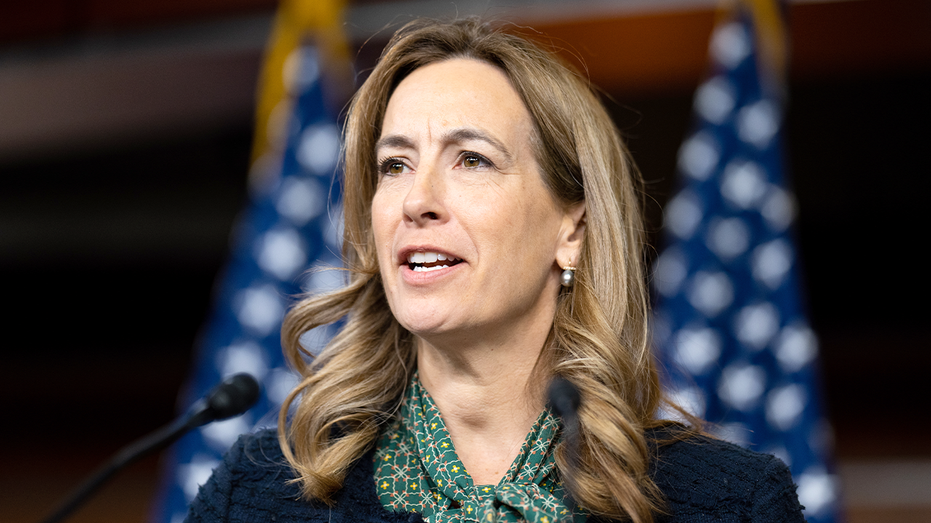
A legal battle has erupted between the federal government and the state of New Jersey, ignited by accusations of obstruction and escalating tensions over immigration enforcement. The Justice Department launched a lawsuit Monday against New Jersey and Governor Mikie Sherrill, alleging the state’s new policies actively hinder federal efforts to detain and remove individuals suspected of immigration violations.
At the heart of the dispute lies Executive Order No. 12, a directive that sharply limits the access of U.S. Immigration and Customs Enforcement (ICE) and other federal immigration officials to nonpublic areas of state property. This includes a critical restriction within state correctional facilities, effectively creating zones where federal agents are barred from making arrests.
The Attorney General delivered a scathing rebuke, stating that federal agents face significant risks while working to protect New Jersey residents, and that the state’s actions deliberately endanger law enforcement. The core argument centers on the assertion that states cannot legally impede federal immigration enforcement efforts.
The lawsuit claims the executive order unlawfully restricts vital cooperation with federal authorities, leading to the release of individuals deemed “dangerous criminals” who would otherwise be subject to deportation. This isn’t a theoretical concern; the complaint details specific cases.
Among those potentially released due to the policy are individuals convicted of serious offenses, including aggravated assault, burglary, and the horrific crimes of drug and human trafficking. The Justice Department argues these releases pose a direct threat to public safety.
The situation remains fluid, with legal proceedings expected to unfold rapidly. The outcome of this case could have far-reaching implications for the balance of power between the federal government and states regarding immigration enforcement, and the safety of communities hangs in the balance.