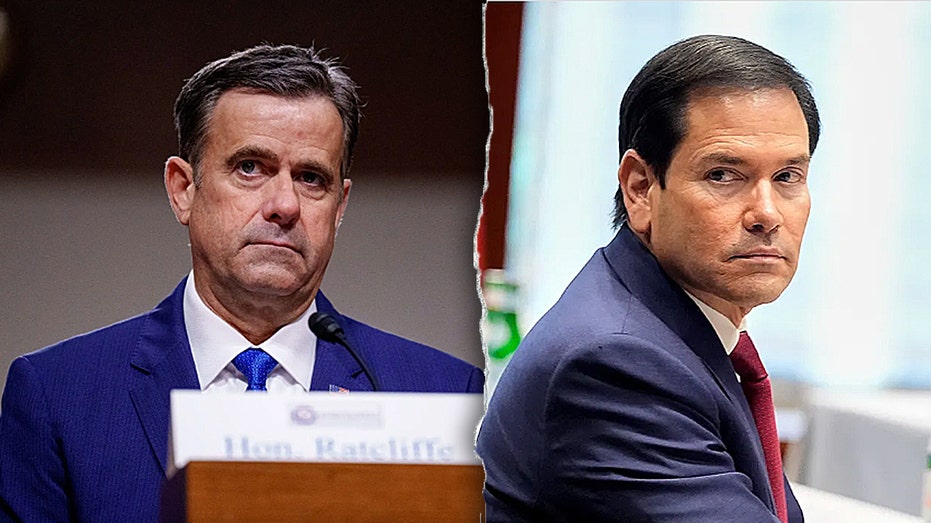
A shadow of crisis looms over the Middle East, as high-stakes discussions unfold behind closed doors. Secretary of State Marco Rubio and CIA Director John Ratcliffe are preparing to deliver a critical briefing to key congressional leaders, a prelude to the President’s upcoming State of the Union address.
The briefing, scheduled for Tuesday afternoon, will focus on the rapidly escalating tensions with Iran. It’s a closed-door session intended for the “Gang of Eight” – a select group of congressional leaders – and members of the Intelligence committees, all convened at the White House.
This urgent meeting arrives as the administration carefully considers its next move in a delicate standoff. While diplomatic channels remain open, with talks scheduled to resume on Thursday, the situation is fraught with uncertainty and potential for miscalculation.
The U.S. is demanding complete denuclearization from Iran and strict limitations on its ballistic missile program. Recent talks, led by envoys Jared Kushner and Steve Witkoff, yielded no immediate breakthrough, highlighting the deep chasm between the two nations’ positions.
Despite prioritizing diplomacy, the U.S. has been steadily increasing its military presence in the region. A significant buildup, the largest in decades, now includes two carrier strike groups – the USS Abraham Lincoln already deployed, and the USS Gerald R. Ford en route.
Iran, however, is standing firm. Foreign Minister Abbas Araghchi emphatically stated his nation’s commitment to peaceful nuclear technology, while simultaneously asserting Iran will never develop nuclear weapons. He insists a deal is possible, but only if diplomacy takes precedence.
A core point of contention remains Iran’s nuclear enrichment capacity, even for energy purposes. The U.S. has maintained a hard line against any enrichment activity, a position that continues to challenge the prospects for a swift resolution.
Despite the obstacles, some progress has been made. Both sides have reportedly reached a “general agreement on guiding principles” and have begun the process of drafting a potential agreement, with plans for further exchanges and a third round of negotiations.
Adding to the tension, reports suggest the President is contemplating a “limited” military strike against Iran, a move intended to pressure its leaders into accepting a deal. This possibility underscores the precariousness of the situation and the potential for escalation.
Rubio’s briefing is strategically timed, occurring just hours before the President addresses the nation. The administration clearly intends to ensure congressional leaders are fully informed about the intelligence assessments and potential courses of action before any public announcements are made.
By proactively engaging the “Gang of Eight,” the White House aims to establish a foundation of oversight and consultation. This preemptive move seeks to minimize potential criticism and ensure lawmakers are prepared for any shifts in strategy or posture toward Tehran during the President’s address.
The stakes are incredibly high, and the world watches as these critical discussions unfold, shaping the future of a volatile region and potentially altering the course of international relations.