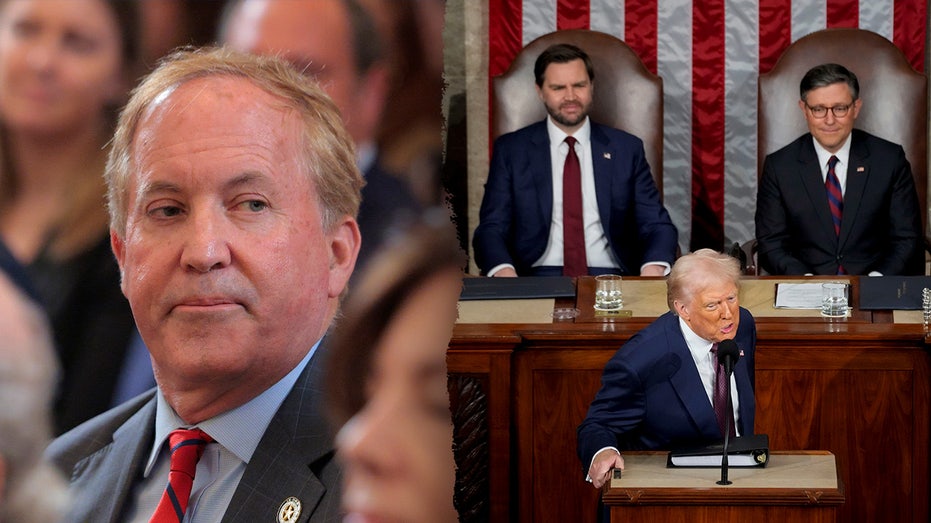
The Texas Senate primary, already a fierce battle, is unexpectedly playing out on the national stage. Attorney General Ken Paxton finds himself heading into a potentially uncomfortable situation: attending President Trump’s State of the Union address as a guest.
Paxton will be seated amongst those actively supporting his opponent, Senator John Cornyn, and facing the scrutiny of Senate Republican leadership. This creates a unique dynamic within the chamber, a clear illustration of the deep divisions within the Texas GOP.
Despite the political tension, Paxton insists the evening is about celebrating the President’s achievements, not his own campaign. He maintains a cordial stance towards his rivals in the Senate, framing his challenge as solely against Cornyn’s decades-long record.
Early voting is already underway in Texas, and Paxton is aggressively pursuing Cornyn’s seat. Representative Wesley Hunt is also competing for the nomination, but will not be present at the State of the Union.
The race is undeniably fueled by a desire for Trump’s endorsement, a crucial advantage in a state where the former President remains immensely popular. Both candidates understand the weight of his support.
Representative Troy Nehls, Paxton’s host for the evening, is openly backing the Attorney General, stating confidently that Paxton will be the next Senator from Texas. He sharply criticized Cornyn’s lengthy tenure, questioning his effectiveness.
Cornyn’s campaign responded with a pointed attack on Paxton’s character, highlighting accusations of dishonesty and self-enrichment. They argue Paxton’s nomination would be detrimental to the Republican party as a whole.
Both Nehls and Paxton expressed keen interest in hearing Trump’s address, particularly regarding immigration policy. Nehls, a former sheriff, witnessed firsthand the consequences of border insecurity and credits Trump with enacting significant improvements.
They both believe Trump’s actions have led to the most secure border in history, a point of pride for both men and a central theme of their political beliefs. The State of the Union address, therefore, becomes more than just a presidential speech; it’s a battleground for the future of Texas politics.