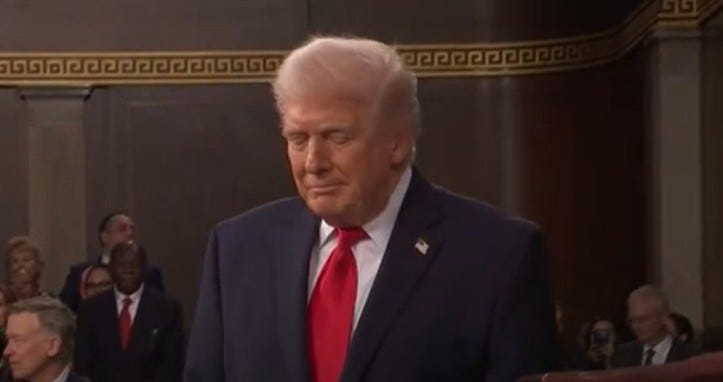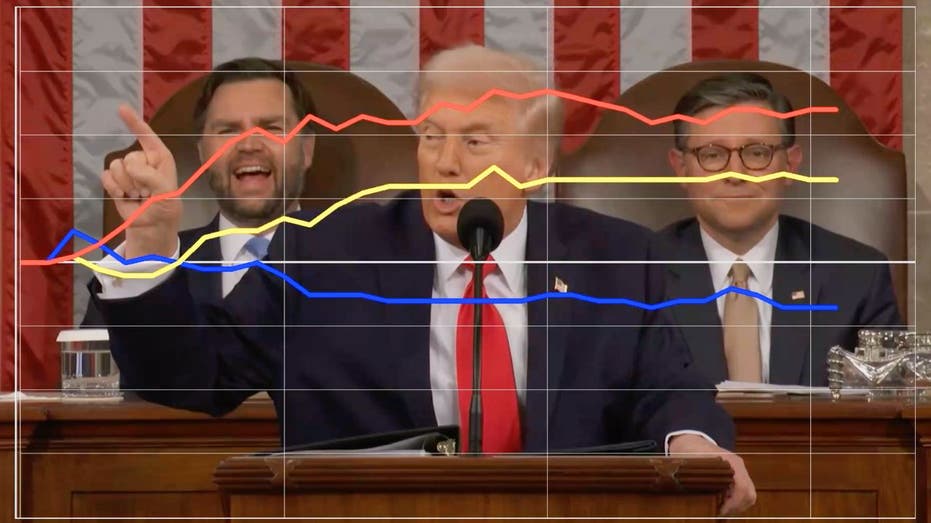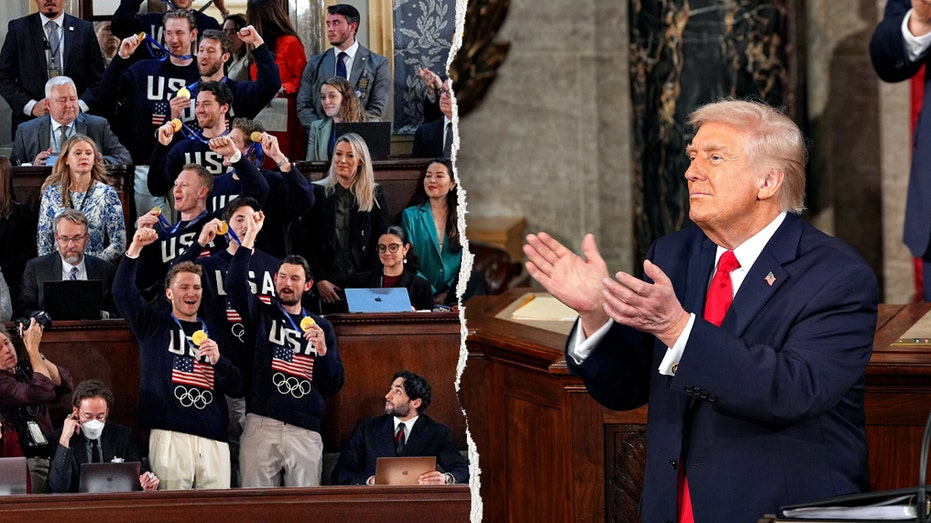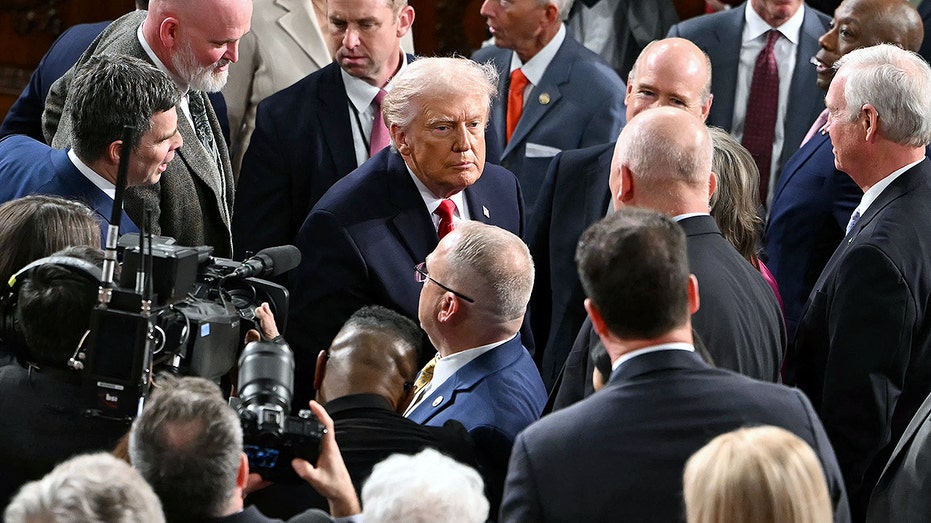
The echoes of President Trump’s State of the Union address reverberated long after the final applause, sharply dividing the very craftspeople tasked with shaping presidential messaging. The speech, remarkable for its length, triggered both fervent praise and visible displays of dissent, with some Democrats choosing to exit the chamber before its conclusion.
The President’s address centered on a trio of core themes: a firm stance on immigration enforcement, anxieties surrounding the national economy, and a re-evaluation of global trade agreements. Moments of pointed exchange unfolded between the President and members of the Democratic caucus, notably Minnesota Representative Ilhan Omar and Michigan Representative Rashida Tlaib, who departed early, and Texas Representative Al Green, who was removed for protesting with a sign.
Gene Hamilton, a former White House counsel and speechwriter, described the address as “resounding,” asserting the President’s clarity regarding the nation’s current condition. He characterized the speech as a “vision of hope, prosperity, and strength,” rooted in secure borders, economic vitality, and patriotic fervor.
Hamilton highlighted a stark contrast between the President’s message and the reaction of some Democrats, specifically their unwillingness to endorse the principle that the government’s primary duty is to protect its own citizens. He firmly believes President Trump’s election was pivotal in safeguarding the country and that his administration remains dedicated to achieving tangible benefits for the American people.
Conversely, Dan Cluchey, a former speechwriter for President Biden, argued that the address did little to dispel the perception that the President exists within a self-constructed reality. He contends that the President’s response to concerns about immigration and economic affordability was deeply disconnected from the lived experiences of many Americans.
Cluchey pointed to rising costs for essential goods and services, coupled with economic stagnation, as evidence that the President’s claims are at odds with the financial realities facing families. He believes dismissing these concerns as mere disbelief is a strategy destined to fail, as it ignores the tangible hardships people are experiencing.
The former Biden speechwriter further asserted that a pattern of dishonesty, while potentially effective during campaigns, ultimately proves unsustainable in governance. He characterized the administration as marked by “chaos, cruelty, and ineptitude,” arguing that these realities cannot be obscured by rhetoric.
Michael Ceraso, a Democratic strategist with experience in presidential speechwriting, offered a nuanced perspective. While acknowledging his personal dislike for the President’s style, he recognized a consistent thread of American exceptionalism in his addresses. He observed that the President consistently portrays himself as a protector of the nation against perceived threats.
However, Ceraso expressed a longing for the intellectualism and unifying message of former President Barack Obama. He ultimately admitted to a pragmatic approach, stating that, as a voter, he finds himself drawn to the President’s capacity for entertainment, even while believing both major parties are detrimental to the country’s progress.
The State of the Union address, therefore, became more than just a recitation of policy goals; it was a mirror reflecting the deep fissures within the American political landscape, and a testament to the power – and limitations – of presidential rhetoric.