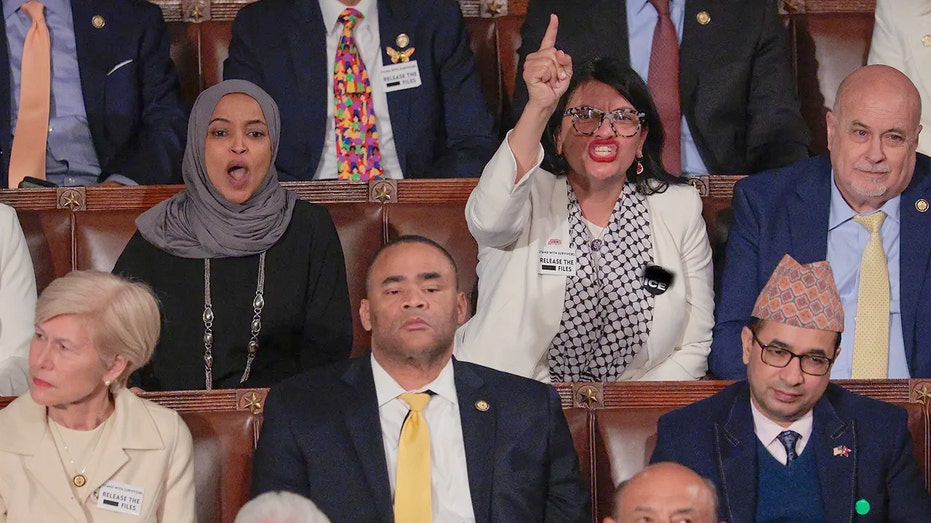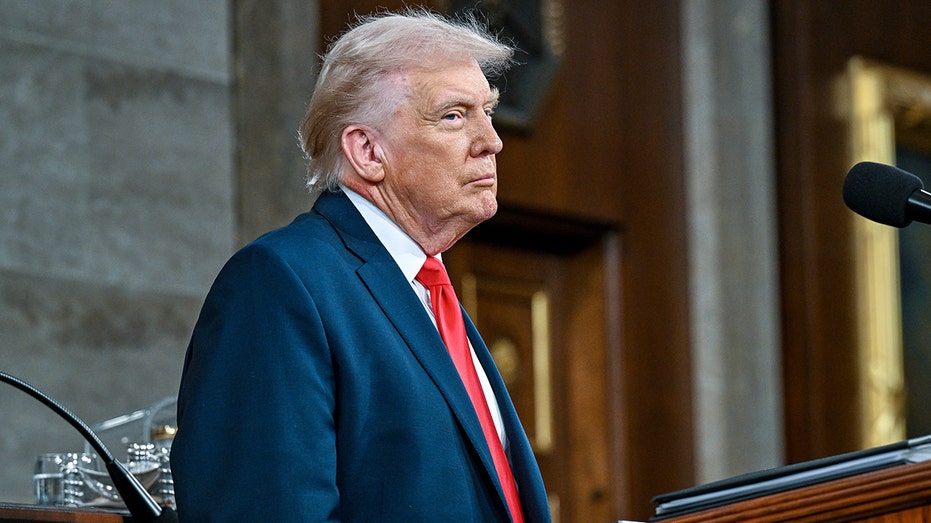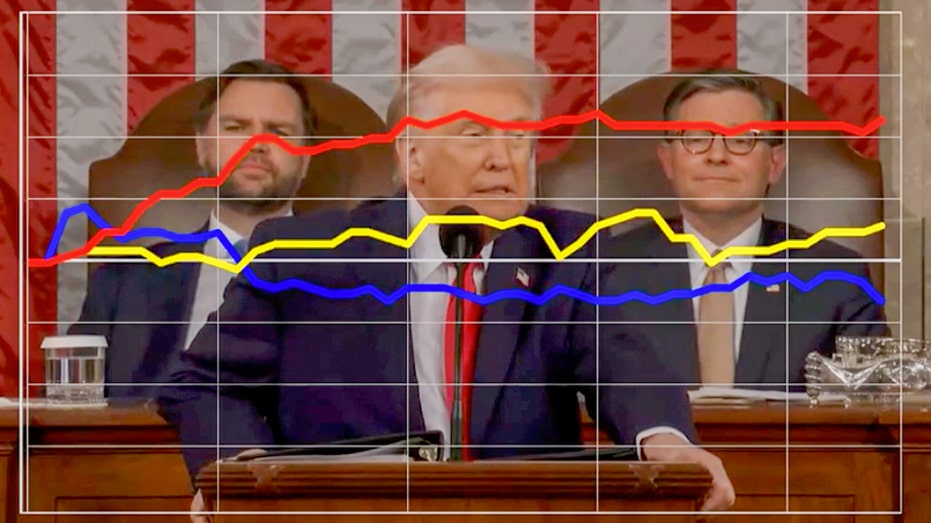
The atmosphere in the chamber crackled with tension as President Trump laid out his vision for election integrity, immediately drawing a stark divide. Democrats visibly recoiled at proposals for stringent voter ID requirements and the SAVE America Act, a plan aimed at preventing non-citizens from voting.
A real-time emotional response test, conducted during the speech, revealed the depth of that reaction. As Trump called for proof of citizenship and an end to widespread mail-in ballots – with exceptions for limited circumstances – the dial among Democratic participants plummeted, signaling strong disapproval.
Trump framed the issue as a simple matter of preventing fraud, directly accusing Democrats of wanting to “cheat” and inventing excuses like claims of racism to oppose common-sense security measures. He painted a picture of elections riddled with “rampant” cheating, a claim that ignited fierce opposition from across the aisle.
Republicans, however, responded positively to the call for the SAVE America Act, their dial readings remaining consistently higher than those of Democrats. Independents, while not as enthusiastic as Republicans, also registered a more favorable response than their Democratic counterparts.
But the most intensely polarizing moment of the night centered on gender policy and the rights of parents. Trump introduced Sage Blair, a young woman whose family is suing a school district alleging a staff-led social transition without parental consent.
“Surely we can all agree no state can be allowed to rip children from their parents’ arms and transition them to a new gender against the parents’ will,” Trump declared, demanding an immediate ban. The lack of a standing ovation from Democrats prompted a sharp rebuke from the President, who labeled them “crazy.”
The focus group mirrored the chamber’s division. Supporters voiced strong agreement, emphasizing parental rights and the need for adults to make such decisions. Critics, however, condemned the remarks as a deliberate attempt to sow division and a distortion of reality.
Surprisingly, despite the deep disagreements on voting and gender, moments of unity did emerge. Concerns about Trump’s tone – even from some supporters – were a common thread. Jokes, comments about the Supreme Court, and references to his predecessor drew criticism from both sides.
A powerful moment of shared emotion arrived with the presentation of the Purple Heart to Staff Sgt. Andrew Wolfe and, posthumously, to Army Specialist Sarah Beckstrom. Both were victims of a shooting in Washington, D.C., and the recognition of their sacrifice transcended political lines.
The chamber also united in applause for the U.S. men’s hockey team, fresh off a historic Olympic victory against Canada. Even Trump’s harshest critics acknowledged the appropriateness of honoring the athletes, calling it a “nice moment” amidst the broader political conflict.
The State of the Union address, therefore, wasn’t simply a recitation of policy proposals. It was a raw, unfiltered display of the deep fissures – and occasional bridges – that define the American political landscape.